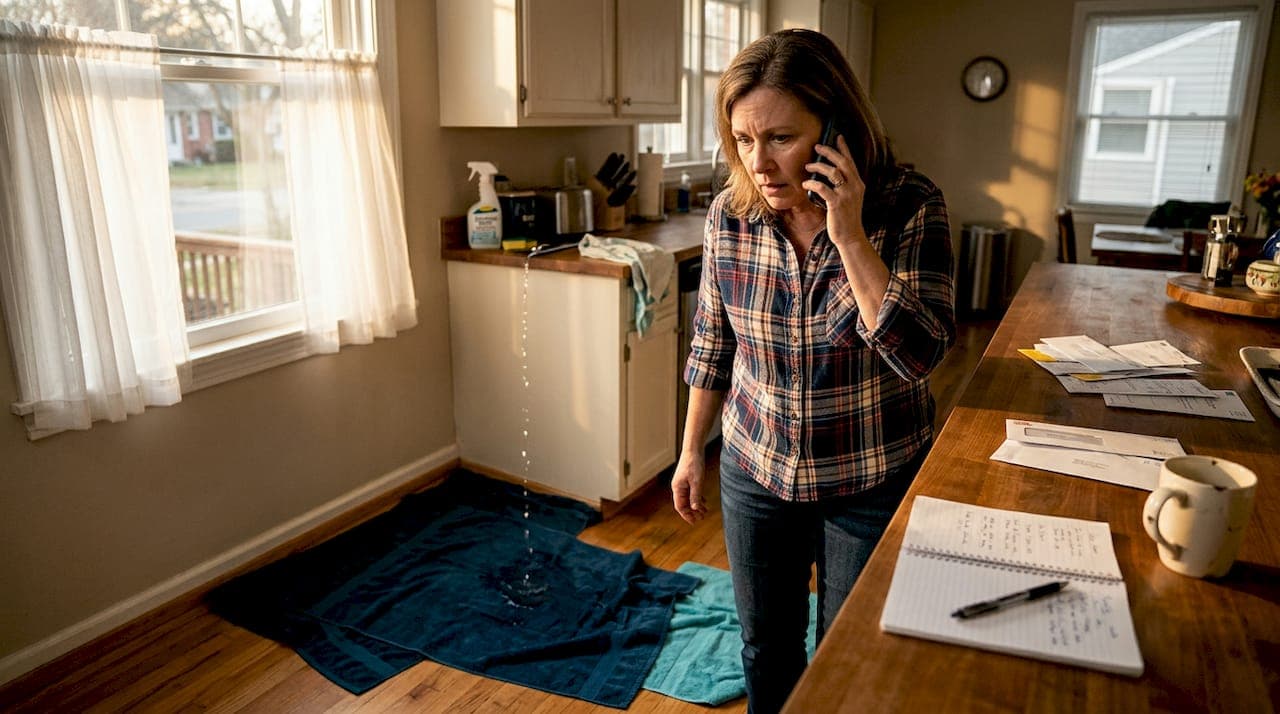
Imagine water spraying from a burst pipe under your kitchen sink, soaking your cabinets, and you're on the phone with an emergency dispatcher who keeps asking questions you're not prepared to answer. In those first 60 seconds, how well you describe plumbing emergency to dispatcher determines whether a technician arrives in 45 minutes or two hours. For homeowners and property managers in Santa Maria, that gap can mean the difference between a quick repair and a $10,000 water damage claim. This guide walks you through exactly what to say, what to have ready, and what to avoid.
Table of Contents
- What you need before making the emergency call
- Step-by-step instructions for describing your plumbing emergency
- Common mistakes to avoid when reporting plumbing emergencies
- What to expect after your call: dispatcher and technician response
- Why clear communication with dispatchers is the key to minimizing damage and costs
- Get expert emergency plumbing help in Santa Maria today
- Frequently asked questions
Key Takeaways
| Point | Details |
|---|---|
| Prepare key info | Have your address, contact, and emergency details ready before calling dispatch. |
| Describe clearly | Provide specific details about the plumbing problem and any safety risks. |
| Follow instructions | Listen and act on dispatcher's guidance to reduce damage and stay safe. |
| Avoid mistakes | Don't hang up or give vague info to ensure a fast and effective response. |
| Document everything | Take photos and notes after the call to support repairs and insurance claims. |
What you need before making the emergency call
Before you even dial, spend 30 seconds gathering the right details. Dispatchers can only work as fast as the information you give them. Walking them through your plumbing emergency checklist on the spot while water is rising costs you precious time.
Here is the essential information to have ready before you call:
- Your full name and callback number, in case the call drops
- Complete property address, including unit number if you manage a multi-unit property
- Nature of the problem: burst pipe, sewage backup, water heater failure, flooding, or gas odor
- Shut-off status: whether you have turned off the main water supply or gas valve
- Active hazards: water near electrical panels, outlets, or a gas smell in the building
- Photos or video: taken quickly on your phone for documentation and insurance purposes
Knowing whether your situation qualifies as a true emergency also matters. Property managers confirm details and classify severity to prioritize response, so being able to communicate that information yourself speeds up the process considerably.
| Situation | Emergency level | Action |
|---|---|---|
| Burst pipe with active flooding | Immediate | Call now, shut off water first |
| Sewage backup into living space | Immediate | Avoid contact, call now |
| Water heater leaking slowly | Urgent | Call within the hour |
| Dripping faucet or running toilet | Routine | Schedule a standard appointment |
| Gas odor anywhere in building | Critical | Evacuate, call gas company, then plumber |
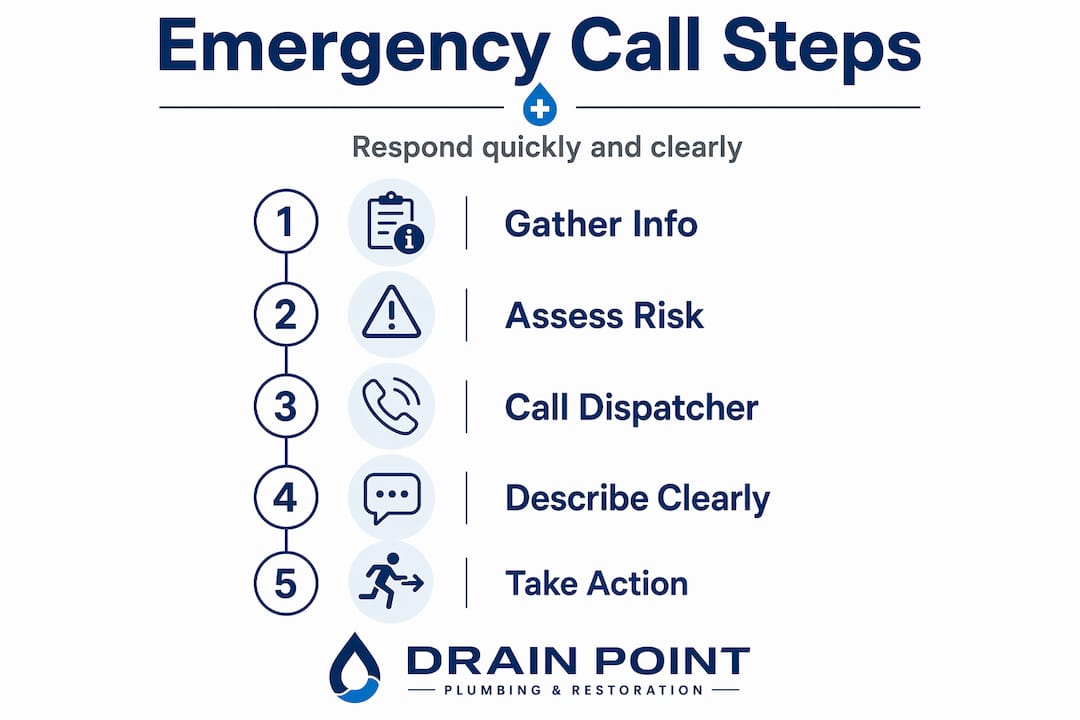
Understanding this table before you call helps you answer dispatcher triage questions instantly. If you are unsure what constitutes an emergency call detail, err on the side of calling. Dispatchers would rather assess a non-emergency than receive a delayed call about one that has escalated.
Step-by-step instructions for describing your plumbing emergency
With your information ready, here is exactly how to describe the emergency on the call. Dispatchers are trained to move through a script quickly, so matching their pace with organized, specific answers is the fastest path to getting help on the way.
- State your address and unit number first. Do not wait for the dispatcher to ask. Lead with location every time.
- Name the problem specifically. "Burst pipe in the kitchen" is useful. "Water everywhere" is not. Be as precise as the situation allows.
- Describe water or gas flow status. Is water still actively flowing, or have you shut it off? Is there a gas smell? This single detail changes the urgency tier immediately.
- Report what you have already done. If you shut off the main water valve or turned off a gas line, say so. Dispatchers factor that into their response.
- Identify any safety hazards. Water near an electrical panel, exposed wiring, or the smell of gas near a water heater all require specific technician protocols.
- Answer triage questions honestly. Triage scripts ask about location, water flow, safety concerns, and shut-off status to classify the emergency level, so do not minimize the situation to seem less dramatic.
- Follow all safety instructions the dispatcher gives you. If they tell you to leave the building, leave. If they advise against using electrical switches, do not touch them.
For situations involving water heater emergencies, mention whether you notice a burning smell, popping sounds, or visible corrosion. These are details dispatchers pass directly to the technician so they arrive prepared.
Pro Tip: Write a one-sentence script on a sticky note near your breaker box: "I'm at [address], I have a [problem], water is [on/off], and there [is/isn't] a safety hazard." Reading it under pressure is far easier than improvising.
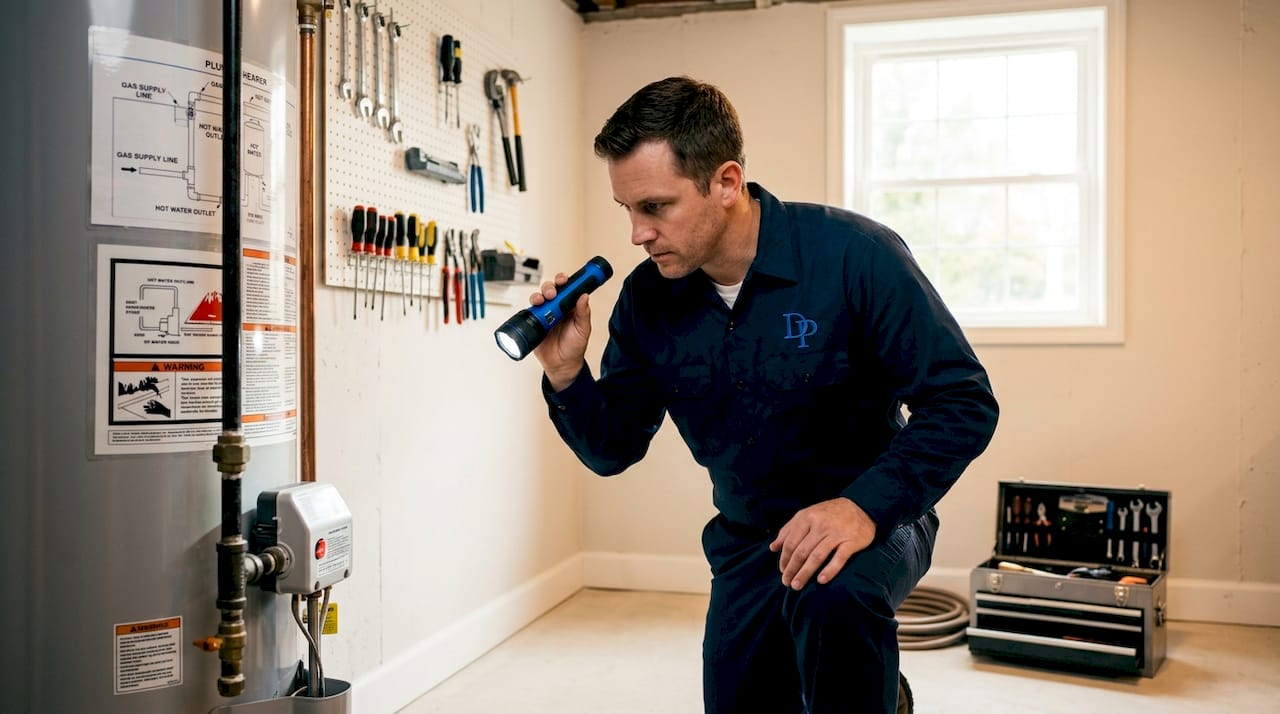
For issues involving sewer lines, understanding whether your building has a camera inspection record on file can help the dispatcher assess whether the backup is isolated or part of a known systemic problem.
Common mistakes to avoid when reporting plumbing emergencies
Knowing what to say is crucial, but being aware of these mistakes will help you communicate more effectively. Many experienced homeowners still make errors that delay response when stress takes over.
Mistake 1: Being vague about the problem. Saying "there's a leak" is almost useless to a dispatcher. Where is it? How fast is water moving? Is it clean water or sewage? Specific descriptions accelerate response. Many homeowners panic and omit critical information, which causes delays and sometimes unsafe dispatch decisions.
Mistake 2: Hanging up too soon. If you reach voicemail or a hold queue, leave a detailed message. Include your name, address, problem description, and callback number. Never hang up and assume someone will call you back without enough information to act.
Mistake 3: Ignoring dispatcher safety instructions. Dispatchers follow safety protocols for a reason. If they tell you not to use appliances near standing water or to evacuate because of a gas smell, that instruction protects you and the arriving technician.
- Do not attempt to repair gas lines yourself, ever
- Do not use electrical switches if water is near an outlet or panel
- Do not use chemical drain cleaners during a sewage backup, they can cause dangerous reactions
- Do not delay calling because you think the plumbing emergency tips you found online can solve it first
Mistake 4: Delaying the call. This is probably the most common and costly error. Homeowners spend 20 minutes trying to contain a leak before calling, and by then the water has soaked the subfloor. Contain what you can, but call immediately.
Pro Tip: If you manage multiple units in Santa Maria, create a laminated emergency contact sheet for each unit that includes the main water shut-off location, the gas valve location, and the emergency plumbing contact number. Tenants in distress need simple, accessible instructions.
What to expect after your call: dispatcher and technician response
After you have given the dispatcher clear information, here is what typically happens next. Understanding the workflow reduces anxiety and helps you prepare your space for the arriving technician.
Dispatchers categorize calls into urgency tiers. The classification system typically looks like this:
| Tier | Description | Expected response |
|---|---|---|
| Tier 1: Immediate | Active flooding, sewage backup, gas odor | Technician dispatched within 15 minutes, on-site within an hour |
| Tier 2: Urgent | Water heater failure, significant leak | Response within a few hours |
| Tier 3: Scheduled | Minor leaks, slow drains, routine repairs | Standard appointment scheduling |
Once dispatched, the technician will stabilize the situation first, stopping active damage before beginning any permanent repair. After stabilization, they document everything: photos, written notes, parts used, and work completed.
You should also be doing the same on your end. Property managers document emergencies with photos and notes for insurance and future maintenance records, and individual homeowners should follow the exact same practice. Time-stamp your photos the moment the problem begins, not after repairs are done.
Here is what to have ready when the technician arrives:
- Clear access to the affected area and any crawl space or utility room
- Location of main water and gas shut-offs if you have not already shown them
- A brief verbal summary of what happened and when
- Any prior repair history for the affected system, if you have it
For emergency damage documentation purposes, keep a folder with repair invoices, dispatcher call logs, and photos organized by date. This record becomes essential if water damage leads to a mold or structural issue weeks later.
Why clear communication with dispatchers is the key to minimizing damage and costs
After 15 years of responding to plumbing emergencies across Santa Barbara County, we have noticed something consistent: the calls that result in the least damage are almost never about the fastest dispatch. They are about the clearest initial call.
When a homeowner gives a specific, calm description of an urgent plumbing situation, the dispatcher can match the right technician to the job, load the correct parts into the truck, and route around delays. When the call is vague or panicked, dispatchers default to general dispatch, and the technician may arrive without the equipment needed to fix the specific problem. That means a second trip, more time, and more damage accumulation while you wait.
Miscommunication also creates liability exposure. Documentation after emergency calls is as important as the repair itself for insurance and liability purposes, and that documentation starts with the dispatcher's call log. A clear, accurate call creates a clear, accurate record.
We also want to reframe something: a lot of homeowners think the dispatcher's job is to calm them down. It is not. Their job is to gather information and deploy resources. The calmer and more specific you are, the faster they can do that. You are not just reporting a plumbing crisis; you are actively participating in the emergency response.
The best thing you can do right now is build a one-page emergency sheet and store it in a visible place in your home or property. List your address, the location of main shut-offs, your preferred plumbing contact, and a brief prompt reminding you what to describe. Visit our residential plumbing repairs page for helpful guidance on what to look for before an emergency ever happens.
Pro Tip: Keep a prepared emergency info sheet near your phone or on your refrigerator. When stress hits, even simple tasks become difficult. Pre-written details remove guesswork at the worst possible moment.
Get expert emergency plumbing help in Santa Maria today
When a plumbing emergency strikes, having expert help on speed dial is your best protection and peace of mind.
Drain Point Plumbing & Restoration offers 24/7 emergency plumbing services throughout Santa Maria and Santa Barbara County, with licensed, insured technicians ready to respond to burst pipes, sewage backups, water heater failures, and more. Our dispatchers are trained to triage calls efficiently, so the clearer your description, the faster we can get the right help to your door. You can request a plumbing quote online or call us directly when every minute counts. We also offer senior and military discounts because this community looks out for its own. Save our number now, before you need it.
Frequently asked questions
What key information should I provide to the dispatcher during a plumbing emergency?
Give your name, property address, a clear description of the problem, whether water or gas is shut off, and any safety concerns. At minimum, dispatchers need your name, phone number, and shut-off status to classify the emergency level and route the right technician.
How quickly can I expect a technician to arrive after reporting an emergency?
For immediate emergencies, technician dispatch happens within 15 minutes, with on-site arrival typically within an hour, depending on severity and technician availability.
Why is it important to document plumbing emergencies after the initial call?
Time-stamped photos and written notes create a record for insurance claims and liability protection. Documentation is as important as the repair when it comes to protecting your property and your finances long term.
What should I avoid doing when reporting a plumbing emergency?
Avoid vague problem descriptions, hanging up without leaving a detailed message, ignoring safety instructions, and delaying your call. Homeowners who panic or omit key details create situations that cost more time and money to resolve.
Recommended
- Contact Us - Drain Point Plumbing & Restoration
- Full-Service Residential Plumbing Repairs & Fixture Replacements Santa Maria CA - Drain Point Plumbing & Restoration
- Sewer Repair & Drain Cleaning Services Santa Maria CA - Drain Point Plumbing & Restoration
- Local Plumbing Contractor, Emergency Residential Plumbing Services Santa Maria CA - Drain Point Plumbing & Restoration