
A burst pipe at midnight. A water heater that dies on the coldest morning of the year. A slow sewer backup that turns into a full-blown emergency right before a tenant moves in. These are the moments that cost Santa Barbara County homeowners and property managers the most money and the most stress. A well-structured plumbing service contract changes that equation entirely. Instead of scrambling for a plumber at the worst possible time, you get priority service, scheduled maintenance, and predictable costs built right into your property management plan.
Table of Contents
- Why choose a plumbing service contract?
- What you need to prepare before setting up a contract
- Step-by-step: How to set up a plumbing service contract
- Common contract mistakes and tips for success
- What most homeowners get wrong about plumbing contracts
- Ready for reliable plumbing service? Start your contract today
- Frequently asked questions
Key Takeaways
| Point | Details |
|---|---|
| Prevent emergencies | A service contract protects you from unexpected plumbing breakdowns and costly repairs. |
| Tailor coverage | Customize contracts to your property's unique needs, including fixtures, water heaters, and filtration. |
| Streamline maintenance | Scheduled maintenance keeps your system working efficiently and extends its lifespan. |
| Easy contract setup | With the right preparation and knowledge, setting up a contract is simple and effective. |
| Long-term savings | Investing in a contract often pays for itself by minimizing large repair bills and improving property value. |
Why choose a plumbing service contract?
Before diving into steps, let's understand why a service contract might be the smartest investment for your property.
A plumbing service contract is a formal agreement between a property owner and a licensed plumbing company. It outlines what services will be performed, how often, what emergencies are covered, and what you pay. Think of it like a health insurance plan for your pipes, fixtures, and water systems. You pay a set fee, and the plumber handles the rest within the agreed scope.
The difference between residential plumbing repairs done on demand versus a contract-based relationship is significant. With on-demand service, you call when something breaks, you pay full price, and you wait in line with every other homeowner who also has a broken pipe that day. With a contract, you are already a priority client with a scheduled relationship.
Here is what a solid contract typically delivers:
- Cost control: Flat-rate or discounted pricing eliminates billing surprises.
- Priority emergency response: Contract clients move to the front of the queue, especially important during regional weather events in Santa Barbara County.
- Scheduled maintenance visits: Catching small issues before they become expensive repairs.
- Documented service history: A paper trail that helps with home sales, insurance claims, and warranty work.
- Coverage for key systems: From toilets and faucets to water heater repair services and sewer inspection options.
When does a contract make financial sense? If your home is more than 15 years old, you own multiple rental units, or your property has a history of plumbing issues, the math usually favors a contract. A single emergency plumbing call can cost $300 to $800 or more depending on the job. Annual contract fees often fall well below what two or three reactive service calls would cost you in a year.
"The best time to set up a plumbing contract is before you need it. Once a pipe bursts or a sewer backs up, your leverage and your options shrink fast."
Pro Tip: Pull out your home inspection report or any past plumbing invoices. If you see repeated issues or aging materials like galvanized steel or polybutylene pipes, that is a strong signal that a service contract will pay for itself quickly.
What you need to prepare before setting up a contract
Once you're convinced of the value, it's time to get prepared. Here are the essentials you'll need for a smooth contract process.
Walking into a conversation with a plumbing company unprepared wastes time and often leads to a contract that does not actually fit your property. Residential and commercial properties require different contract approaches, so knowing your property type and its specific needs is the first step.
Start by gathering the following information:
- Plumbing system age and materials: Copper, PVC, galvanized steel, or PEX? Older systems need more frequent checks.
- Past repair history: Any recurring leaks, clogs, or water pressure problems?
- Fixture inventory: Count your toilets, sinks, faucets, water heaters, and any specialty systems like water softeners.
- Property addresses and access details: If you manage multiple properties, list each one with contact info and gate or key access notes.
- Budget range: Know your monthly or annual ceiling before you start comparing proposals.
- Service priorities: Do you need 24/7 emergency coverage, routine check-ups, or both?
Drain cleaning services are one of the most commonly requested add-ons for Santa Barbara County properties, especially in older neighborhoods where root intrusion in sewer lines is a real issue. Make sure you know whether this is something you want included upfront.
Here is a quick reference table to help you organize your preparation:
| Preparation item | Why it matters | Where to find it |
|---|---|---|
| Plumbing system age | Determines maintenance frequency | Home inspection report or permit records |
| Past repair records | Reveals recurring issues | Old invoices or service receipts |
| Fixture count | Affects contract scope and pricing | Walk-through of each property |
| Budget range | Helps filter proposals quickly | Your property management budget |
| Access and contact info | Required for scheduling and emergencies | Property management files |
| Desired coverage type | Shapes the contract structure | Your own priorities list |
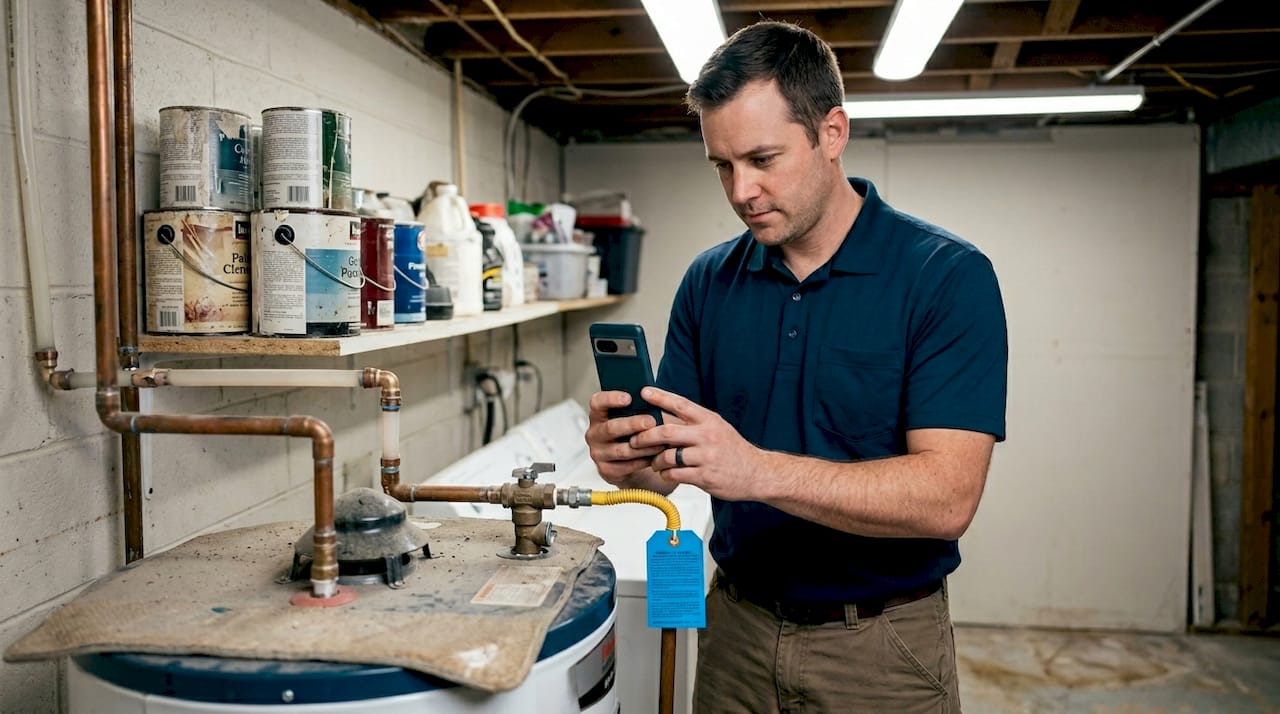
Pro Tip: Take photos of your main water shutoff valve, water heater, and any visible pipe connections before your first meeting with a plumbing company. This speeds up the quoting process and shows the provider you are organized and serious about a long-term relationship.
Step-by-step: How to set up a plumbing service contract
With info in hand, let's walk through each stage of getting your contract in place.
Setting up a contract is not complicated, but skipping steps leads to gaps in coverage or mismatched expectations. Follow this process and you will land a contract that actually protects your property.
-
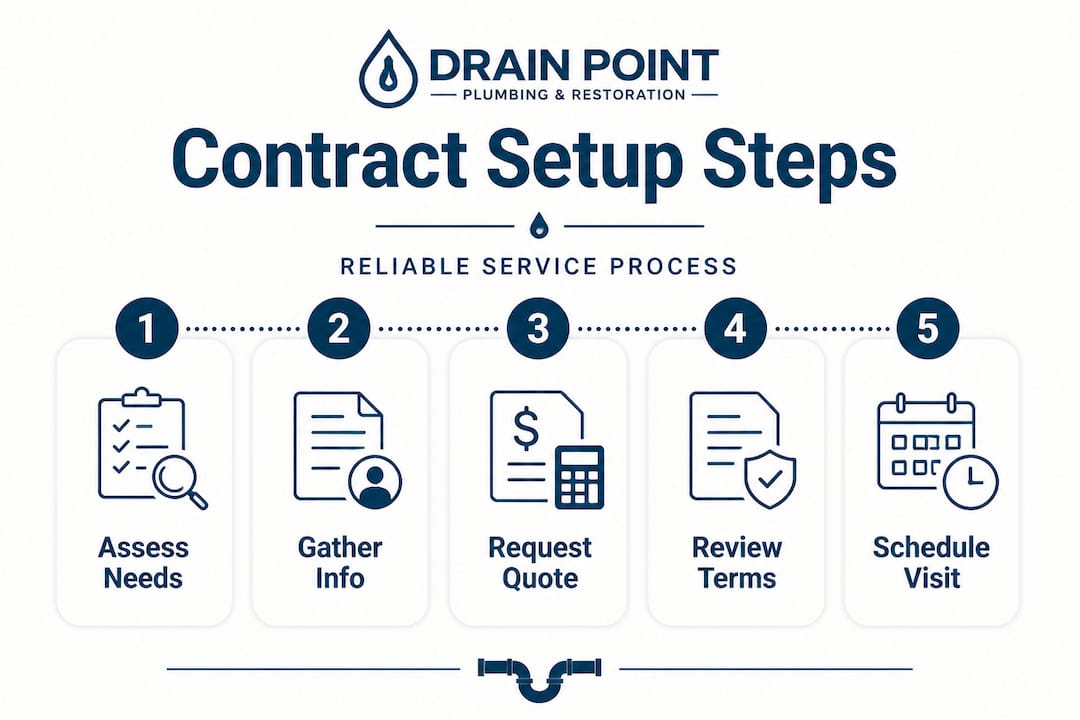
Research licensed providers in Santa Barbara County. Look for companies with local experience, verified licensing, and strong reviews. Longevity matters. A company that has been serving the area for over a decade understands local water quality, soil conditions, and building codes better than a national franchise.
-
Request proposals from at least two providers. Ask each one to outline what is included, what is excluded, response time guarantees, and pricing tiers. Do not just compare price. Compare what you actually get for that price.
-
Review coverage details carefully. Look at which fixtures are included, whether sewer lines are covered, and what qualifies as an emergency. Some contracts only cover labor, not parts. Others exclude systems added after the contract start date.
-
Negotiate custom terms if needed. If you have a tankless water heater, a whole-home water filtration system, or a commercial kitchen, make sure those systems are explicitly named in the contract. Vague language leads to disputes.
-
Confirm response time commitments in writing. A contract that promises "prompt service" means nothing. Push for specific windows: for example, within four hours for emergencies and within 48 hours for non-urgent repairs.
-
Sign and schedule your initial property walk-through. The first visit lets the plumber document your system's current condition, which protects both parties and sets a baseline for future service.
You can request a plumbing contract quote to get a clear picture of what coverage looks like for your specific property before you commit to anything.
Here is a side-by-side comparison to help you evaluate proposals:
| Feature | Contract-based service | On-demand service |
|---|---|---|
| Emergency priority | Yes, front of queue | No, wait with all other calls |
| Scheduled maintenance | Included | Not available |
| Pricing predictability | Fixed or discounted rates | Variable, often higher |
| Service history documentation | Ongoing record kept | No continuity |
| Relationship with technician | Consistent, familiar | Random technician each time |
| Long-term cost | Lower over time | Higher due to reactive repairs |
Pro Tip: Schedule your first maintenance visit for January or February. Plumbing demand is lower early in the year, which means more flexible scheduling and more thorough attention from your technician.
Common contract mistakes and tips for success
Even a well-set-up contract can fall short if you miss a common pitfall. Here's what to watch for.
Property owners who have been through a bad contract experience almost always point to one of the same few mistakes. Knowing these ahead of time saves you real money and real frustration.
Failing to read the exclusions list. Every contract has one. Exclusions might include pre-existing conditions, certain fixture types, or damage caused by third parties. If a clause is unclear, ask for plain-language clarification before signing.
Not listing all properties or key fixtures. If you manage five rental units but only list three on the contract, the other two are not covered. This sounds obvious, but it happens regularly when property managers are in a hurry. Take the time to list every address and every major system.
Skipping coverage for newer add-ons. Many homeowners install a water filtration system or upgrade to a tankless water heater and forget to update their service contract. These systems have specific maintenance needs, and leaving them out of your contract means paying full price when they need service. The advantages of including water system add-ons under contract are real, from filter replacements to pressure checks.
Outdated contact and access information. If your property manager changes or you install a new gate code, your plumbing provider needs to know. Outdated info delays emergency response and creates frustration on both sides.
Assuming all contracts are the same. They are not. Maintenance agreements vary widely in scope, quality, and responsiveness. A contract from a local, owner-operated company often delivers faster response and more personalized service than a large chain with standardized packages.
"A contract is only as good as the relationship behind it. The paperwork matters, but so does choosing a provider who actually picks up the phone at 2 a.m."
Pro Tip: Set a calendar reminder every 12 months to review your contract. Properties change. Systems age. A quick annual review ensures your coverage keeps up with your property's actual needs.
What most homeowners get wrong about plumbing contracts
Drawing on over 15 years of experience helping property owners across Santa Barbara County, there is one pattern we see more than any other. Homeowners and property managers treat plumbing as a reactive category. Something breaks, you call. Nothing is broken, you ignore it.
That mindset is expensive. Quietly corroding pipes, slow-building sewer blockages, and water heater sediment buildup do not announce themselves until they cause serious damage. By the time you notice the problem, you are often looking at water damage, mold risk, or a full system replacement.
Contracts flip that dynamic. They put you in a proactive posture where small issues get caught during routine visits, not after they have soaked through a ceiling or flooded a crawl space. We have seen properties where a $150 maintenance visit caught a failing pressure relief valve on a water heater. Replacing that valve cost $90. A water heater explosion and the resulting property damage could have run $10,000 or more.
There is also a trust factor that is hard to quantify but very real. When you have an ongoing contract relationship with a plumbing company, the technician who shows up already knows your system. They know where your shutoffs are, what quirks your pipes have, and what was done on the last visit. That continuity saves time and leads to better diagnoses.
The other thing most owners underestimate is the value of priority access. Santa Barbara County is not immune to regional events that stress plumbing systems. Heavy rains, ground shifts, and aging municipal infrastructure all create spikes in service demand. During those spikes, contract clients get calls answered first. That is not a small thing when your rental property has standing water in the kitchen.
If you own multiple properties, consider asking your local plumbing experts about a portfolio contract that covers all your addresses under one agreement. The savings per property can be significant, and the administrative simplicity alone is worth it.
Ready for reliable plumbing service? Start your contract today
If you're ready to simplify your property's plumbing, here's how to get started.
Drain Point Plumbing & Restoration has been serving Santa Barbara County homeowners and property managers for over 15 years. We know the local infrastructure, the common failure points in regional housing stock, and what it takes to keep a property running without plumbing surprises.
Whether you need a straightforward residential plumbing service contract for a single home or a multi-property agreement that covers everything from sewer lines to water filtration, we can build a plan that fits your needs and your budget. Seniors and military personnel receive special discounts. Getting started is simple: request your plumbing contract quote online and we will follow up with a personalized proposal. If your property has experienced water, fire, or mold damage, our property restoration experts can also assess and address those issues as part of a broader service relationship.
Frequently asked questions
What is typically included in a plumbing service contract?
Most contracts include regular maintenance checks, emergency response coverage, and discounts on repairs or fixture replacements. The exact scope depends on the provider and the tier of coverage you choose.
How do I know if my property is eligible for a service contract?
Eligibility usually depends on location, plumbing system age, and any preexisting issues. Residential and commercial properties are evaluated differently, so contact your provider for a property-specific assessment.
Can I add plumbing upgrades like water filters to my contract?
Yes, many contracts allow you to include add-ons such as water filtration maintenance and water heater service for more complete coverage of your home's systems.
What should I check before signing a plumbing contract?
Review exclusions, emergency response terms, covered fixtures, and contact details before agreeing. You can also request a quote to compare what different providers include at each price point.
How often should I renew or review my plumbing service contract?
Check your contract every year to update it for any property changes, new systems, or updated contact information to make sure all coverage remains current and accurate.
Recommended
- Full-Service Residential Plumbing Repairs & Fixture Replacements Santa Maria CA - Drain Point Plumbing & Restoration
- Local Plumbing Contractor, Emergency Residential Plumbing Services Santa Maria CA - Drain Point Plumbing & Restoration
- Contact Us - Drain Point Plumbing & Restoration
- Sewer Repair & Drain Cleaning Services Santa Maria CA - Drain Point Plumbing & Restoration