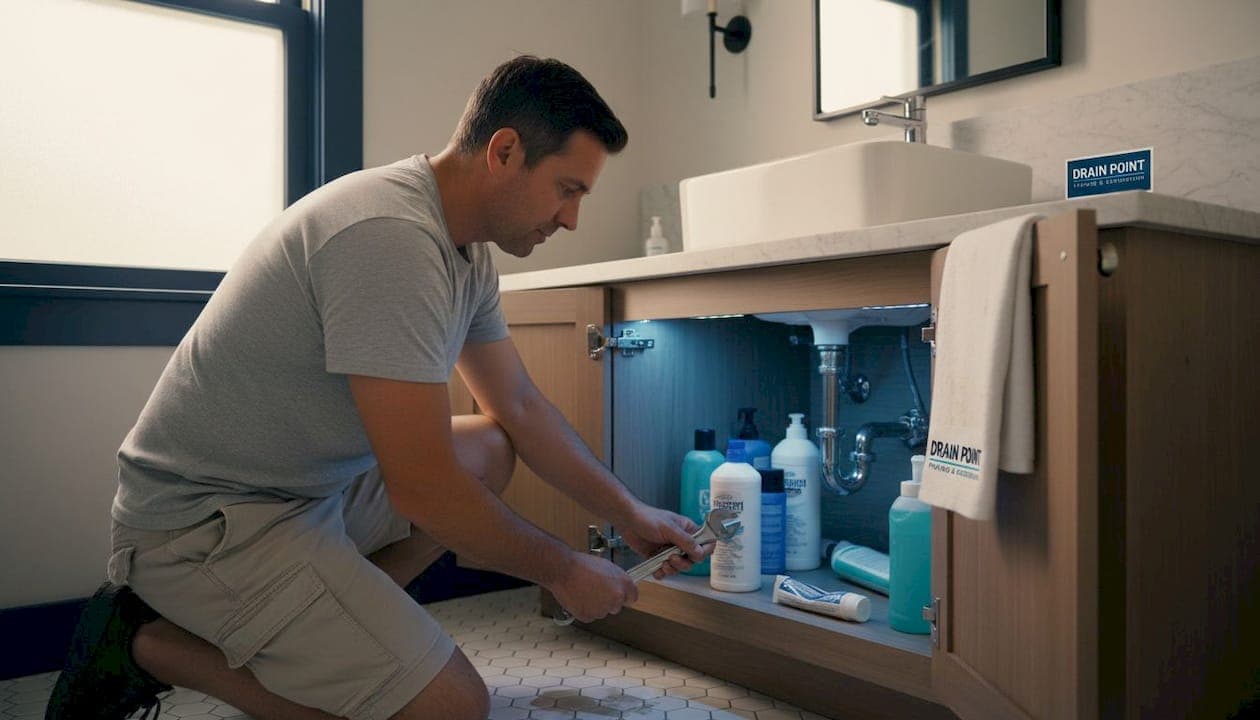
A small drip behind your kitchen sink or a weeping joint under the bathroom vanity can dump gallons of water into your walls and subfloor within hours, yet many homeowners assume they have no real options until a plumber shows up. That assumption is both costly and unnecessary. A well-applied temporary pipe repair can stop or dramatically slow a leak, protect your property from escalating damage, and buy you the time you need to schedule proper professional work. This article walks you through what temporary repairs are, which methods actually work, when they are appropriate, and exactly what you should do next.
Table of Contents
- What is a temporary pipe repair?
- When and where should you use a temporary pipe repair?
- Temporary pipe repair techniques: A practical toolkit
- What to do after a temporary pipe repair
- The truth most homeowners miss about temporary pipe repairs
- Need help beyond a quick fix? Call Drain Point Plumbing
- Frequently asked questions
Key Takeaways
| Point | Details |
|---|---|
| Temporary repairs buy time | Quick fixes limit water damage before a plumber can perform permanent repairs. |
| Choose the right method | Match your repair technique to the location and severity of the leak. |
| Know the limitations | Temporary repairs do not resolve underlying pipe problems and may hide ongoing damage. |
| Act fast for hidden leaks | Leaks behind surfaces require immediate expert help—don’t rely on surface patches alone. |
What is a temporary pipe repair?
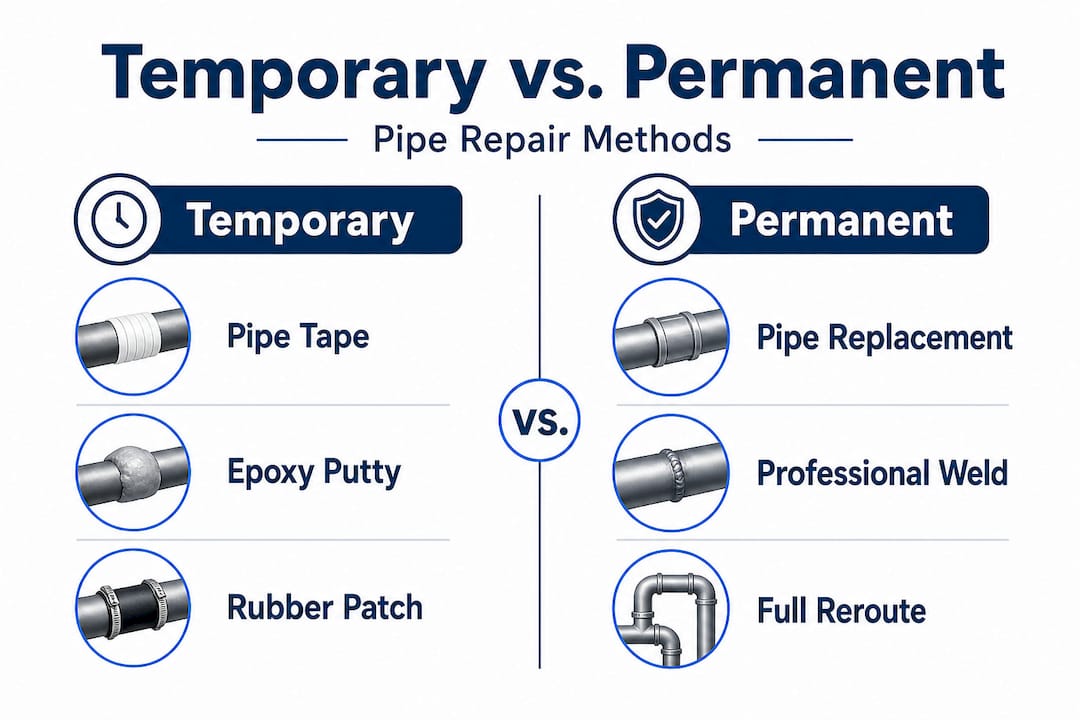
A temporary pipe repair is exactly what it sounds like: a short-term fix applied to a leaking pipe to slow or stop water flow until a licensed plumber can make a permanent repair. Temporary pipe repairs provide a quick fix to slow or stop leaks until a permanent solution can be implemented. They are not designed to last weeks or months, and they are absolutely not a substitute for proper pipe replacement or professional work.
So why use one at all? Because time matters enormously when water is running where it should not be. Even a slow drip can saturate insulation, rot wood framing, and feed mold colonies before you realize what has happened. A temporary fix lets you take control of the situation right now.
Common temporary repair methods include:
- Pipe repair tape (also called self-fusing silicone tape): wraps tightly around a joint or split to seal moisture
- Pipe clamps and repair clamps: metal or rubber clamps that compress a gasket against the leak point
- Epoxy putty or two-part epoxy filler: a moldable compound pressed over a crack that hardens in minutes
- Rubber and hose clamp combinations: a cut piece of rubber hose slipped over a pipe and secured with hose clamps
- Rag and zip tie wraps: the most basic last resort, useful for tiny drips when nothing else is available
Each of these sits in a different category for speed, cost, and effectiveness. The key distinction from a permanent fix is that permanent repairs involve cutting out damaged pipe sections, replacing fittings, or relining pipes with residential plumbing repairs performed by a licensed technician.
Pro Tip: Before you start any repair, locate your home's main water shutoff valve. Shutting off water to the affected line (or the whole house) gives you a dry surface to work on and prevents a slow drip from becoming a gushing emergency while your hands are busy.
When and where should you use a temporary pipe repair?
After defining temporary pipe repairs, it is crucial to know when such solutions are appropriate, and when they are only a stopgap that could give you false confidence.
Temporary fixes work well in specific, accessible situations. If you can see the pipe, reach it with both hands, and clearly identify the source of the leak, a patch is a reasonable short-term response. Surface patches may not work for leaks behind walls, under slabs, or in inaccessible locations. Trying to patch what you cannot fully see or reach creates a false sense of security while the real damage continues out of view.
One statistic that should get your attention: most water damage insurance claims result from leaks left unaddressed for over 48 hours. That means the difference between a manageable repair bill and a five-figure restoration project often comes down to how quickly you acted in the first two days. A temporary repair, used correctly, is one of the fastest tools you have.
| Scenario | Surface patch appropriate? | Why |
|---|---|---|
| Visible pinhole leak on exposed pipe | Yes | Accessible, easy to dry and wrap |
| Leaking joint under sink | Yes | Reachable, low pressure area |
| Dripping outdoor hose bib | Yes, short term | Accessible but needs pro follow-up |
| Leak behind drywall or plaster | No | Cannot reach source; patch won't help |
| Leak under concrete slab | No | Requires sewer camera inspection for diagnosis |
| Pipe burst from freezing | Possibly | Depends on severity and access |
| Sewage line leak underground | No | Hazardous; needs immediate professional response |
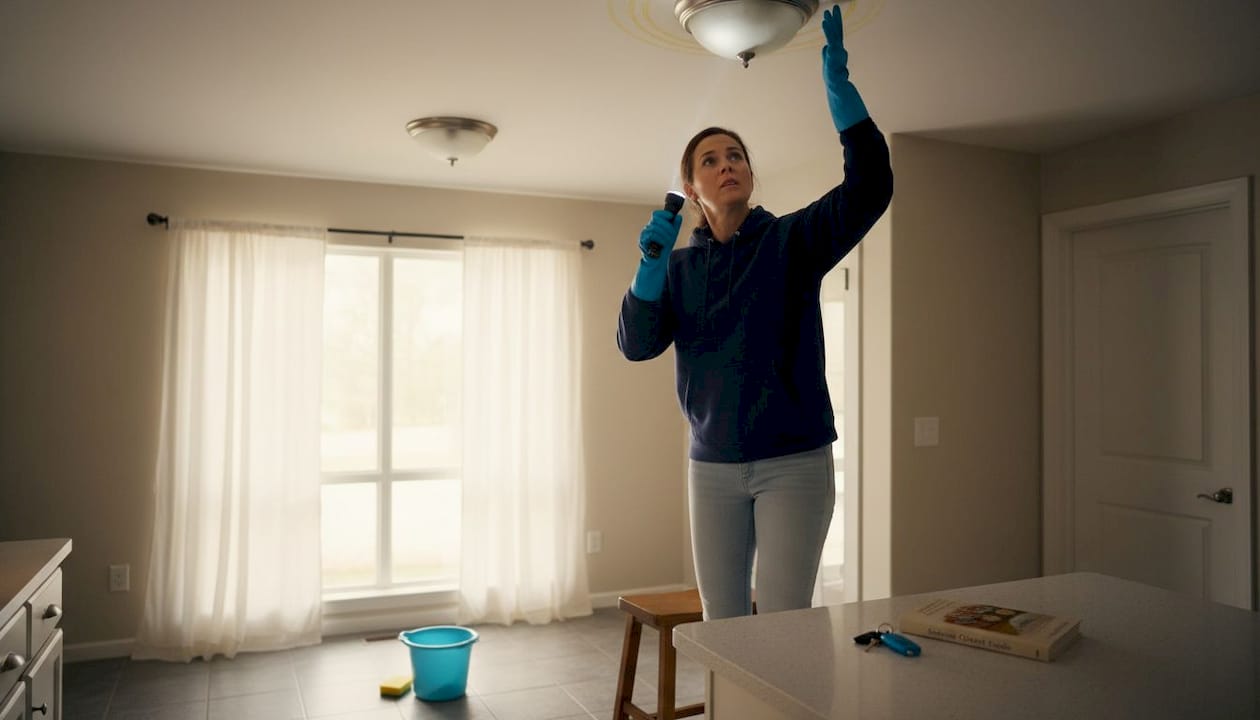
When a hidden leak is suspected, you may notice water stains spreading across a ceiling, musty odors in a room with no visible water source, or unexplained spikes in your water bill. These are all signals that the leak source is somewhere you cannot see, and no surface patch will help. Call a professional, and call fast.
Temporary pipe repair techniques: A practical toolkit
Understanding where and when to use a temporary repair, let's look at exactly how to perform one with practical options for different situations.
There are several options for quickly stopping a leak, each with their own strengths, weaknesses, and use cases. Here is a step-by-step guide using pipe repair tape, which is the most accessible method for most homeowners and costs under $15 at any hardware store.
Step-by-step: applying pipe repair tape
- Shut off water to the affected pipe at the nearest shutoff valve or the main supply.
- Open a downstream faucet to relieve pressure and drain water from the line.
- Dry the pipe surface completely. Use a clean rag, then let it air dry for several minutes. Any moisture will prevent the tape from bonding.
- Start wrapping the tape two to three inches before the leak point. Stretch the tape slightly as you wrap so the layers fuse together.
- Continue wrapping past the leak by two to three inches on the other side, overlapping each pass by half.
- Press the final tail of tape firmly against the previous layer and hold it for 30 seconds.
- Turn the water back on slowly and watch the patch for any seeping.
- Mark the date and time of your repair on a piece of masking tape nearby so the plumber knows how long the patch has been in place.
Pro Tip: Clean and dry is not just helpful, it is essential. Even a thin film of water or pipe grime will prevent epoxy, tape, or rubber patches from sticking properly. A quick wipe with rubbing alcohol after drying dramatically improves adhesion on any material.
Here is how the most common methods compare so you can choose based on what you have available and how much time you have:
| Method | Speed | Approximate cost | Durability | Skill level |
|---|---|---|---|---|
| Pipe repair tape | Very fast (5 min) | $8 to $15 | 24 to 72 hours | Beginner |
| Epoxy putty | Fast (10 to 15 min) | $10 to $20 | 48 to 96 hours | Beginner |
| Pipe clamp/repair clamp | Moderate (15 to 20 min) | $15 to $40 | Several days | Intermediate |
| Rubber and hose clamp | Moderate (15 min) | $5 to $15 | 24 to 48 hours | Beginner |
| Rag and zip tie | Immediate | Near zero | Hours only | None required |
If you are unsure which method to use or you cannot get the materials quickly, do not wait. Shut off the water and request a plumbing quote from a licensed plumber before the situation gets any worse. A temporary fix is only useful when you can actually apply it safely and correctly.
What to do after a temporary pipe repair
Once you have made a temporary fix, your work is not done. Here is how to make sure the issue does not come back worse later.
The first thing to do is monitor the patched area carefully. Check it every few hours for the first 24 hours. Look at the surface of the patch itself, but also look at the surrounding area: the wall behind it, the cabinet floor below it, or the ceiling underneath it if the pipe runs above a lower level. Moisture spreads fast, and the patch point is rarely the only place water has traveled.
Warning signs that your temporary repair is failing or that damage is already spreading:
- The patch feels wet or soft to the touch
- New water stains appear near the repair area
- You smell a musty or earthy odor developing in the room
- Your water pressure seems lower than normal
- You hear dripping inside a wall or above the ceiling
- Your water meter is still moving when all faucets are turned off
That last one is a particularly important check. Turn off every water fixture and appliance in your home, then watch your water meter for five minutes. Any movement indicates water is still escaping somewhere. This is when you need to escalate from monitoring to calling a professional immediately.
"Diagnosis and prompt professional repair are more likely needed for leaks behind surfaces or underground. Surface patches are simply not designed for those conditions."
When you do call your residential plumbing pros, be ready to describe exactly where the leak is, what type of pipe it appears to be, what repair method you applied, and when you applied it. This helps the plumber prepare the right materials and estimate the scope of the job. You should also mention if there are any water filter leak checks or filtration components near the leak, since those connections can complicate what looks like a simple pipe repair.
From a property value standpoint, an unresolved leak is a liability. Home inspectors will flag evidence of past or ongoing water damage, and buyers will use it as leverage during negotiations. Addressing the problem permanently, and quickly, is always in your financial interest.
The truth most homeowners miss about temporary pipe repairs
Here is something we have seen play out over 15 years of plumbing and restoration work in Santa Barbara County: the homeowners who end up with the biggest repair bills are almost never the ones who missed a major pipe failure. They are the ones who patched a small leak, felt satisfied that the dripping stopped, and moved on with their lives.
Stopping the visible drip is not the same as stopping the damage. Water does not respect the boundaries of your patch. Before you taped that joint or clamped that section, water had already worked its way into places you cannot see. It soaked into the pipe insulation. It wicked into the wooden subfloor. It started the slow process of feeding a mold colony inside your wall cavity. Edge cases can lead to hidden water damage even with surface patches, and in our experience, those edge cases are far more common than homeowners expect.
The right way to think about a temporary repair is as a timer, not a solution. The moment you apply that patch, a clock starts. You have a window, usually 24 to 72 hours depending on the method, to get a licensed plumber in and make a permanent repair before you risk further damage. Property managers especially need to internalize this. A patched pipe in a rental unit is a liability waiting to happen if the permanent repair does not follow quickly.
We have also seen this from the restoration side: the most expensive water damage jobs we handle almost always trace back to a "minor" leak that someone addressed temporarily, then forgot about for a few weeks. What started as a $300 pipe repair becomes a $12,000 mold remediation and subfloor replacement. The plumbing was patched. The damage was not. If you ever have any doubt about what is happening behind your walls, a hidden leak investigation using camera technology is worth every penny compared to what you might face later.
Treat temporary repairs with the seriousness they deserve: a useful tool with a firm expiration date.
Need help beyond a quick fix? Call Drain Point Plumbing
DIY temporary repairs are a smart first response, but they were never meant to carry the full weight of keeping your home safe and dry. At Drain Point Plumbing & Restoration, we back up every homeowner and property manager in Santa Barbara County who needs more than a patch.
Our residential plumbing experts are available 24/7, and we bring 15 years of experience to every job, whether it is a straightforward pipe repair or a situation that requires camera diagnostics and full restoration work. We will find the root cause, fix it permanently, and make sure no hidden damage gets left behind. Ready to stop guessing and start fixing? Request an urgent repair quote today, or learn more about our full property restoration services for situations where water has already done its damage.
Frequently asked questions
How long does a temporary pipe repair last?
Most temporary pipe repairs last from a few hours to a couple of days, depending on water pressure, pipe condition, and the method used. Never count on them lasting longer than 72 hours without professional follow-up.
Can I use duct tape for a leaking pipe?
Duct tape can hold for a very short period as a last resort, but various items like tape are strictly temporary and duct tape in particular loses its adhesion quickly under moisture and water pressure.
What's the best way to temporarily stop a pipe leak?
The best approach is to shut off the water supply, dry the pipe thoroughly, and apply pipe repair tape or a repair clamp. Pipe repair tape and clamps are among the most effective short-term options for accessible leaks.
Should I attempt a temporary repair if water is leaking inside walls or under the floor?
No. If you suspect a hidden leak, shut off your water and call a professional right away. Hidden leaks behind walls or slabs require professional diagnosis and cannot be resolved with surface patches.
Is a temporary pipe repair covered by insurance?
Insurance typically covers resulting water damage, but it expects permanent repairs to follow as quickly as possible. A temporary patch does not satisfy your obligation to mitigate damage, and relying on it too long could actually reduce your claim payout.
Recommended
- Full-Service Residential Plumbing Repairs & Fixture Replacements Santa Maria CA - Drain Point Plumbing & Restoration
- Sewer Repair & Drain Cleaning Services Santa Maria CA - Drain Point Plumbing & Restoration
- Contact Us - Drain Point Plumbing & Restoration
- Local Plumbing Contractor, Emergency Residential Plumbing Services Santa Maria CA - Drain Point Plumbing & Restoration