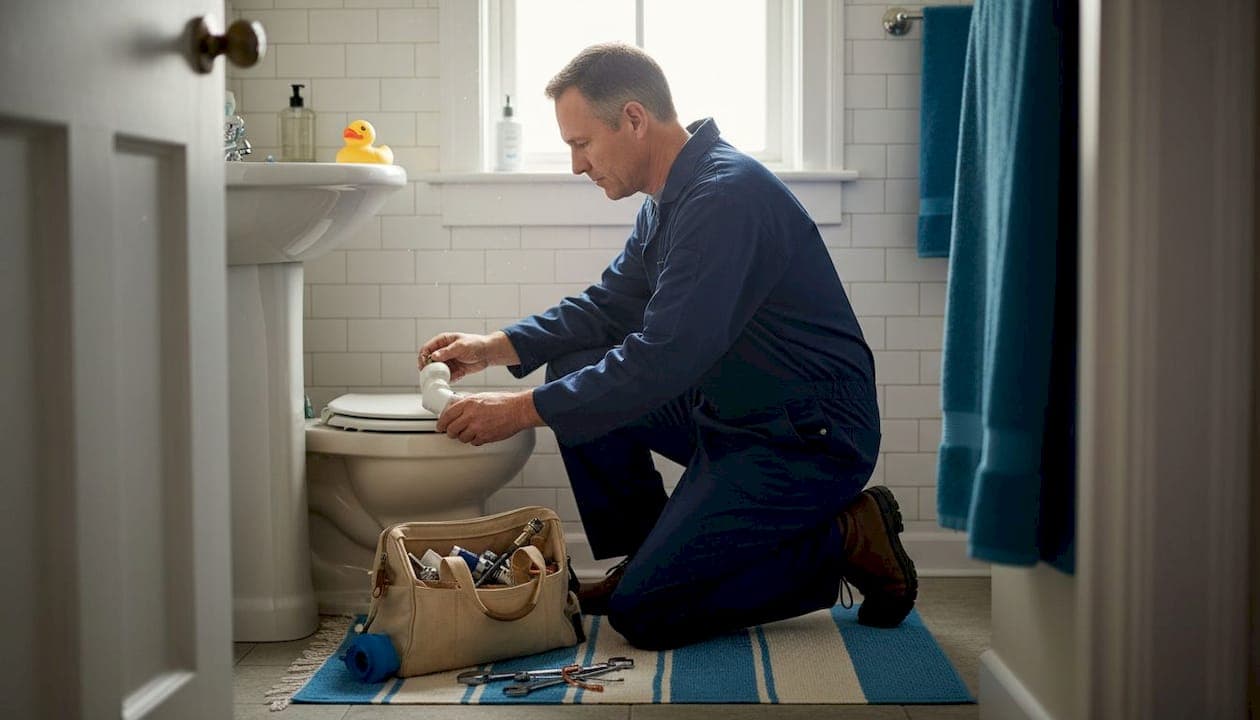
Most Santa Maria homeowners don't think about their restroom plumbing until something breaks. But the fixtures you're using right now could be costing you hundreds of dollars a year in wasted water. Toilets alone account for nearly 30% of indoor water use, and older models are quietly draining your wallet every single day. The good news? Today's high-efficiency fixtures deliver better performance than ever, and the right upgrade plan can pay for itself faster than you'd expect. This article walks you through exactly what to upgrade, in what order, and why.
Table of Contents
- How to evaluate plumbing upgrade options
- High-efficiency toilets: Features and savings
- Efficient faucets and showerheads: Smart solutions
- Address leaks and running toilets before upgrading
- Special upgrade: Backflow prevention and plumbing safety
- A plumber's perspective: What actually moves the needle in restroom upgrades
- Expert restroom upgrades and repairs in Santa Maria
- Frequently asked questions
Key Takeaways
| Point | Details |
|---|---|
| Prioritize WaterSense upgrades | Choose EPA WaterSense-certified toilets and fixtures for reliable water and cost savings. |
| Fix leaks first | Repair running toilets and leaks before replacing fixtures for the fastest ROI. |
| Compare based on usage | Calculate potential savings based on household usage, not just fixture specs. |
| Follow local codes | Consider code requirements and safety features like backflow prevention in your upgrade plan. |
| Get expert support | Consult a local plumber for personalized advice and quality installation. |
How to evaluate plumbing upgrade options
Not all upgrades are created equal. Before you start shopping for new fixtures, you need a clear framework for deciding which changes will actually move the needle on your water bills and daily comfort.
The single most useful certification to look for is the EPA WaterSense label. This label means a product has been independently tested to use at least 20% less water than standard models, without sacrificing performance. It takes the guesswork out of comparison shopping. According to WaterSense guidance on restroom savings, the smart order of upgrades is to start with faucets and showerheads, then move to toilets, since those two categories cover the bulk of daily water use.
Local rebates can also change the math significantly. Santa Barbara County Water Agency and some local utilities offer rebates for WaterSense-certified fixture replacements. Always check for available incentives before you buy, because a $150 toilet upgrade might only cost you $80 out of pocket after a rebate.
Here's a quick checklist of what to evaluate before committing to any upgrade:
- Fixture age: Anything over 15 years old is likely inefficient by today's standards
- WaterSense certification: Look for the label on every product you consider
- Local rebate availability: Check with your water utility before purchasing
- Household occupancy: More people means more daily flushes and faucet use, which raises your ROI on efficient fixtures
- Current leak status: Leaks should always be fixed before new fixtures are installed
Pro Tip: Before spending a dollar on new fixtures, walk through your restroom and check for any dripping faucets, running toilets, or slow leaks under the sink. Fixing those first through residential plumbing repairs can cut your water bill immediately, sometimes within the first billing cycle.
High-efficiency toilets: Features and savings
The toilet is the single biggest water user in your home's restroom, so it deserves the most attention when planning an upgrade.
A WaterSense-certified toilet must use 1.28 gallons per flush or less while performing as well as or better than older standard models. That's not a small difference. Older toilets can use up to 6 gallons per flush, which means a family of four flushing five times each per day could be using over 120 gallons daily on toilet use alone. A WaterSense model cuts that to around 25 gallons for the same usage pattern.
Modern toilet technology has come a long way. Today's high-efficiency models use pressure-assist flushing, wider trapways (the internal passage that clears waste), and glazed surfaces to reduce buildup and clogs. Many homeowners who switched from older toilets report fewer clogs and less maintenance, not more.
| Toilet type | Gallons per flush | Annual use (4 people) | Est. annual savings vs. old model |
|---|---|---|---|
| Old standard (pre-1994) | 3.5 to 6 gpf | 25,550 to 43,800 gal | Baseline |
| Standard modern | 1.6 gpf | 11,680 gal | Up to 32,000 gal |
| WaterSense certified | 1.28 gpf | 9,344 gal | Up to 34,000 gal |
| Dual-flush WaterSense | 0.8/1.28 gpf | 7,000 to 9,000 gal | Up to 36,000 gal |
Dual-flush toilets offer two flush options: a lighter flush for liquid waste and a full flush for solid waste. Used correctly, they can push savings even further. They're a smart pick for Santa Maria households where water rates and conservation goals are both top of mind.
"Replacing older toilets with WaterSense-labeled models is one of the highest-impact steps a homeowner can take. The performance gap between old and new is larger than most people expect." This is especially true in homes where toilets haven't been replaced in 20 or more years.
For maintenance, look for toilets with fully glazed trapways and easy-access tank components. When repairs are needed, simple parts like flappers and fill valves are inexpensive and widely available. For more guidance on choosing efficient toilets that fit your specific setup, it's worth consulting a local plumber who knows Santa Maria's water pressure and supply conditions. You can also review general toilet replacement advice to understand what the process involves before calling a pro.
Efficient faucets and showerheads: Smart solutions
After toilets, faucets and showers are key targets for both savings and comfort in your upgrade plan.
The EPA WaterSense program sets clear flow rate targets for these fixtures. WaterSense-labeled showerheads max out at 2 gallons per minute (gpm), while private lavatory faucets should flow at 1.5 gpm or less. Public restroom faucets are even more restrictive at 0.5 gpm, though that spec matters more for commercial properties than typical homes.
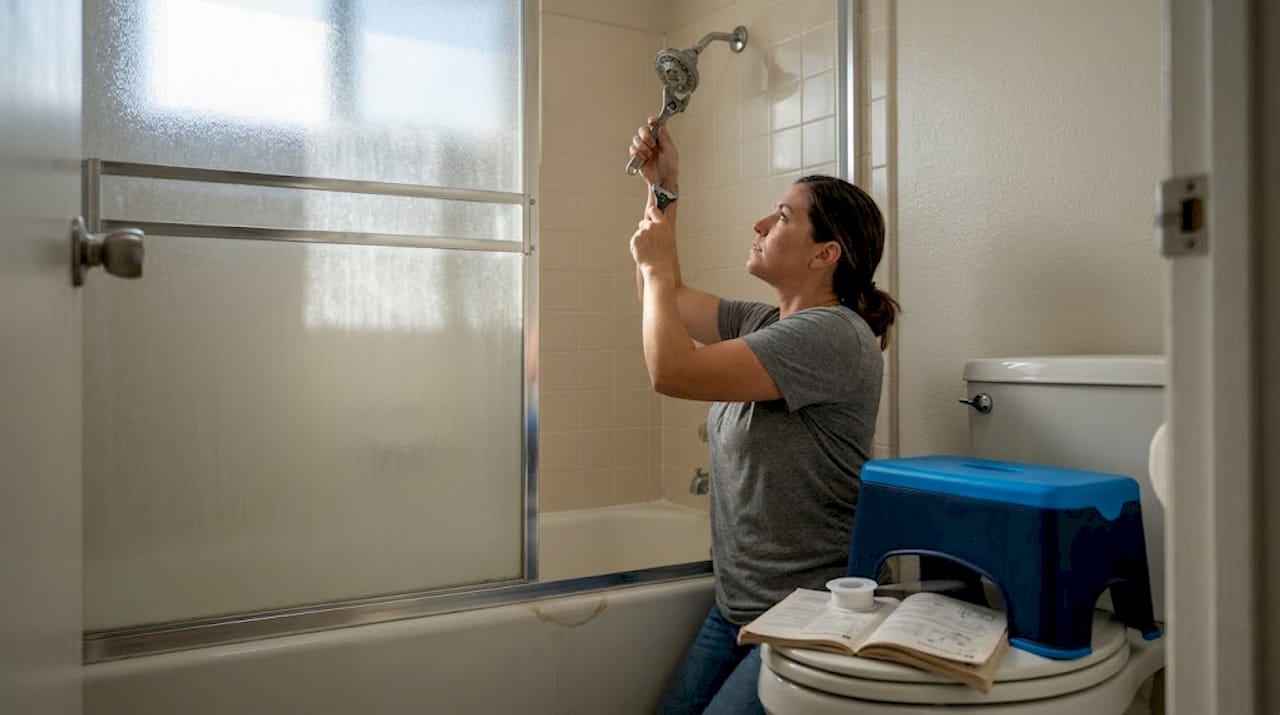
The average showerhead in an older Santa Maria home flows at 2.5 gpm or more. Switching to a 2 gpm model saves 10 gallons in a standard 10-minute shower. Multiply that by daily use across a family of four and you're looking at over 14,000 gallons saved per year from showerheads alone.
Here's a comparison of common upgrade options for faucets and showerheads:
| Fixture | Standard flow rate | WaterSense target | Best for |
|---|---|---|---|
| Bathroom faucet | 2.2 gpm | 1.5 gpm or less | Daily handwashing, brushing |
| Kitchen faucet | 2.2 gpm | 1.8 gpm | Dishes, food prep |
| Showerhead | 2.5 gpm | 2.0 gpm max | Daily showers |
| Aerator add-on | Varies | 0.5 to 1.5 gpm | Budget-friendly upgrade |
Aerators are small mesh inserts that screw onto the end of a faucet spout. They mix air into the water stream, which maintains pressure feel while reducing actual flow. They cost between $3 and $15 and take about two minutes to install. For homeowners who want an immediate win without replacing the whole faucet, an aerator is a great starting point.
Key factors to look for in faucet and showerhead upgrades:
- Spray quality: A good WaterSense showerhead should feel strong and even, not weak or scattered
- Laminar flow option: Laminar flow faucets produce a smooth, non-aerating stream that's better for hygiene in healthcare or high-traffic settings
- Finish durability: Chrome and brushed nickel hold up better in humid restroom environments
- Ease of installation: Most faucet and showerhead swaps are DIY-friendly with basic tools
Pro Tip: If you're upgrading for efficient faucet upgrades and want to maximize hygiene, ask about laminar flow faucets. They reduce aerosol spray (which can carry bacteria) and still meet WaterSense flow targets. They're especially useful in homes where someone has a compromised immune system.
Address leaks and running toilets before upgrading
Not all restroom upgrades require new fixtures. Some of the fastest paybacks come from fixing what's already broken.
A running toilet sounds like a minor annoyance, but it can waste an enormous amount of water. Leaking flappers and running toilets can waste between 30 and 21,600 gallons per month, depending on severity. That's not a typo. A severely running toilet can waste more water in a month than a family of four uses for all other purposes combined.
Here's a step-by-step approach to tackling leaks before you invest in new fixtures:
- Do the dye test: Drop a dye tablet or a few drops of food coloring into the toilet tank. Wait 15 minutes without flushing. If color appears in the bowl, your flapper is leaking.
- Check the fill valve: Listen for a hissing sound after the tank refills. That sound means water is still trickling through, which means the fill valve needs replacement.
- Inspect faucet connections: Look under the sink for moisture around the supply lines and drain connections. Even small drips add up fast.
- Test showerhead connections: Wrap the showerhead connection in a dry paper towel and check for moisture after running the shower.
- Call a plumber for hidden leaks: If you find hidden water leaks behind walls or under floors, that's not a DIY situation.
Water waste by issue type:
A dripping faucet at one drop per second wastes about 3,000 gallons per year. A leaking toilet flapper wastes 200 gallons per day on average. A running toilet with a faulty fill valve can waste up to 4,000 gallons per day in severe cases. These numbers translate directly to your water bill.
Pro Tip: A flapper replacement costs about $5 to $10 at any hardware store and takes less than 10 minutes. A fill valve replacement runs $10 to $20. These are the fastest-returning investments in your entire restroom upgrade plan. For more complex issues, drain and leak fixes from a licensed plumber will identify problems that aren't visible to the naked eye.
Special upgrade: Backflow prevention and plumbing safety
For some homeowners, restroom upgrades are also an opportunity to boost safety and compliance.
Backflow is when water flows backward through your plumbing, potentially pulling contaminated water from toilets, irrigation lines, or other sources back into your clean water supply. It sounds unlikely, but it happens more often than people realize, especially during sudden pressure drops in the main supply line.
Backflow prevention devices may be required by local utilities, especially in homes with potential cross-connections like irrigation systems, secondary water sources, or older plumbing configurations. Annual testing is often mandated to confirm the device is functioning correctly.
Key things to know about backflow prevention for your home:
- Types of preventers: Pressure vacuum breakers, double-check valves, and reduced pressure zone (RPZ) assemblies are the most common residential options
- When you need one: If your restroom plumbing connects to any non-potable water source or shares lines with irrigation or pool systems
- Inspection requirements: Most local water authorities require annual testing by a certified tester
- Permitting: Installations typically require a permit, so work with a licensed local plumbing contractor who knows Santa Maria's local codes
"Backflow prevention is one of those upgrades that most homeowners never think about until there's a problem. Adding it during a broader restroom upgrade is smart timing, since the plumbing is already being accessed."
If you're planning a full restroom upgrade, ask your plumber to review your backflow risk at the same time. It's a low-cost addition to an existing service call and could protect your family's water quality for years.
A plumber's perspective: What actually moves the needle in restroom upgrades
Here's something most upgrade guides won't tell you: the fanciest new toilet won't save you much if your fill valve is quietly running 24 hours a day. We see this regularly in Santa Maria homes. A homeowner spends $400 on a new high-efficiency toilet, but they still have a leaking flapper on the old toilet in the guest bath. The net savings are almost zero.
The real wins come from a staged, honest audit of what's actually happening in your restroom right now. Repairing running toilets and edge-case failures yields immediate, measurable payback, often faster than any fixture swap.
We also see homeowners spend money on luxury features that add very little water or code value. Heated toilet seats, elaborate bidet attachments with 12 settings, and decorative faucets with poor flow control are common examples. They're not bad products, but they shouldn't come before a $10 flapper replacement or a WaterSense showerhead.
Our recommended checklist for smart, staged restroom upgrades:
- Fix all leaks and running toilets first
- Swap in aerators and WaterSense showerheads for quick, low-cost wins
- Replace the oldest toilet in the home with a WaterSense-certified model
- Review backflow risk if you're already opening up the plumbing
- Consider faucet replacements last, since aerators often extend their useful life significantly
The homeowners who get the best results from plumbing upgrade advice are the ones who start with a clear picture of their current situation. Not just a wishlist of new fixtures.
Expert restroom upgrades and repairs in Santa Maria
Ready to put your plan in motion? Here's how you can get expert local help.
At Drain Point Plumbing & Restoration, we've spent over 15 years helping Santa Maria homeowners make smart, cost-effective restroom upgrades. We know which fixtures perform best with local water pressure, which rebates are currently available through Santa Barbara County utilities, and how to sequence your upgrades for maximum savings.
Whether you need a full fixture replacement, a leak diagnosis, or a backflow inspection, our team is ready to help. We offer free quotes and transparent pricing, with discounts available for seniors and military personnel. From residential plumbing upgrades to full bathroom renovations, we handle every step with care. Request a plumbing quote today, or call us to speak directly with a licensed plumber. As your trusted local plumbing contractor, we're available 24/7 for emergencies and same-week appointments for planned upgrades.
Frequently asked questions
What is the most cost-effective restroom plumbing upgrade?
Fixing leaks and running toilets is usually the fastest, most cost-effective upgrade for immediate water and bill savings. Repairing leaks offers quick payback, sometimes in less than two months.
Are WaterSense-labeled toilets worth upgrading to?
Yes, WaterSense-labeled toilets use 1.28 gallons per flush or less, providing significant water savings without any loss of performance. WaterSense toilets perform as well or better than older models while using far less water.
Do I need to consider backflow prevention for my home restroom?
If your restroom plumbing connects to non-potable sources or other lines, a backflow preventer and annual testing are often required. Backflow device selection and annual testing are frequently mandated by water utilities for cross-connection risk.
How much water can old toilets waste compared to new ones?
Older toilets can use up to 6 gallons per flush, while new WaterSense models use just 1.28 gallons, saving thousands of gallons a year. Older toilets waste thousands of gallons annually compared to modern certified models.
How do I know which fixture upgrade should come first?
Start with leak repairs, then look at faucets and showerheads, and finally upgrade toilets for the greatest efficiency boost. WaterSense guidance recommends this exact sequence for maximizing savings at each stage.
Recommended
- Local Plumbing Contractor, Emergency Residential Plumbing Services Santa Maria CA - Drain Point Plumbing & Restoration
- Full-Service Residential Plumbing Repairs & Fixture Replacements Santa Maria CA - Drain Point Plumbing & Restoration
- Water Heater Installation And Repair Santa Maria CA - Drain Point Plumbing & Restoration
- Contact Us - Drain Point Plumbing & Restoration