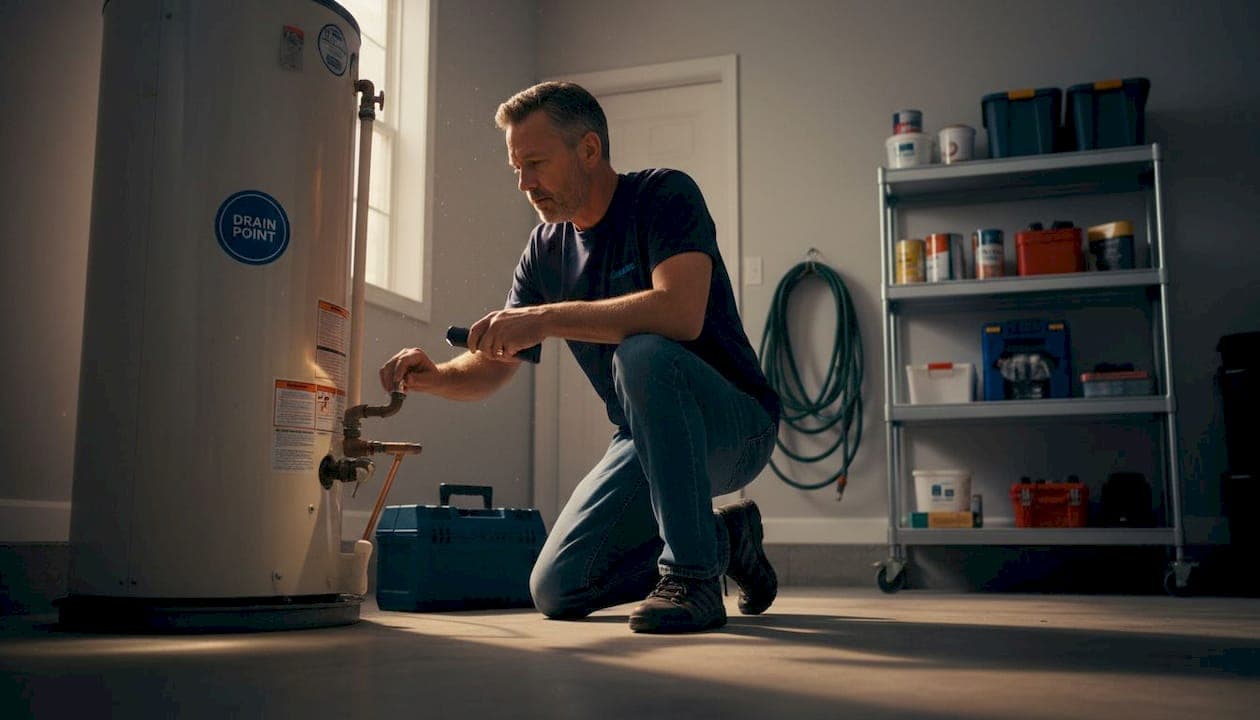
Replacing a water heater is not a weekend DIY project you wing with a YouTube video and good intentions. It involves gas or electrical connections, local permit requirements, pressure relief valves, seismic strapping (required in California), and code inspections that affect your home's resale value and your family's safety. A water heater replacement checklist turns what feels like an overwhelming project into a clear, sequential process. Whether you are planning this yourself or coordinating with a plumber, this guide walks you through every stage, from evaluating your current unit to choosing the right replacement for your Santa Maria home.
Table of Contents
- Assessing your current water heater and preparing for replacement
- Step-by-step water heater replacement process checklist
- Costs, permits, and code compliance for water heater replacement in Santa Maria
- Common challenges and expert tips for a smooth water heater replacement
- Water heater types and choosing the right replacement unit for your home
- Comparing water heater replacement options: key factors and recommendations
- Why a step-by-step checklist is the homeowner's best tool for safe water heater replacement
- Get expert water heater replacement services in Santa Maria
- Frequently asked questions
Key Takeaways
| Point | Details |
|---|---|
| Safety first | Always turn off water and power, relieve pressure before starting replacement work. |
| Use a checklist | Following a detailed step-by-step replacement checklist reduces mistakes and hazards. |
| Check codes and permits | Obtain necessary permits and comply with Santa Maria codes to protect warranties and safety. |
| Choose right unit | Consider type, size, fuel, and efficiency to select the best water heater for your home. |
| Know when to call pros | Hire licensed professionals especially for gas or complex electric replacements to ensure safety. |
Assessing your current water heater and preparing for replacement
Before anything else, you need to decide whether replacement is actually the right move. Pull the data plate off your current unit and note the serial number, which typically encodes the manufacture date. Most units last 8 to 12 years; once repair costs exceed 50% of the price of a new unit, replacement is the smarter financial decision.
Here is your preparation checklist before any work begins:
- Confirm the unit's age using the manufacturer's serial number decoder
- Document your current setup with photos: wiring, pipe connections, venting, and the location of shut-off valves
- Check for water damage around the base, signs of rust on the tank, or discolored water at the tap
- Identify your fuel type (electric, natural gas, or propane) and note the capacity in gallons
- Locate your main water shut-off and the dedicated electrical breaker or gas shut-off valve
- Pull permit requirements for Santa Maria. Replacements almost always require a City of Santa Maria plumbing permit, and inspections are standard
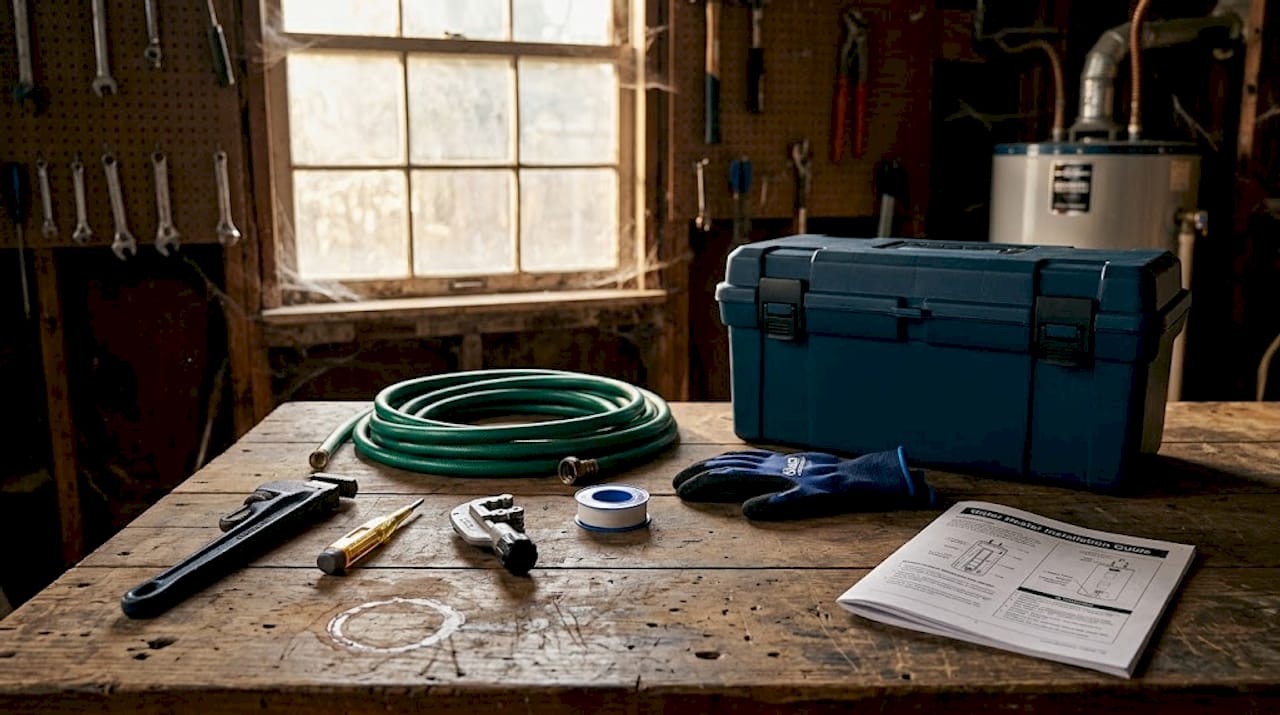
You will also need basic tools: pipe wrenches, a voltage tester, tubing cutters, Teflon tape, a garden hose for draining, and a bucket. If you are touching gas lines, a gas pressure gauge and leak detection solution are non-negotiable.
Pro Tip: Take a wide-angle photo and a close-up photo of every single connection before disconnecting anything. This takes two minutes and can save hours of guesswork during reinstallation. For decision-making tips on repairs vs replacement, consult a licensed plumber who can assess whether a repair might extend the unit's life another few years cost-effectively.
Step-by-step water heater replacement process checklist
With preparation in hand, here is the detailed checklist to replace your water heater safely step by step.
- Shut off the water supply at the cold water inlet valve above the heater
- Cut power or gas. For electric units, switch off the dedicated circuit breaker. For gas units, close the gas supply valve at the unit
- Relieve system pressure by opening a hot-water faucet anywhere in the house
- Connect a garden hose to the drain valve at the base and run it to a floor drain or outside
- Open the drain valve and let the tank empty completely. On older tanks with heavy sediment, this can take 30 to 45 minutes or longer
- Disconnect the water lines using a pipe wrench. Have towels ready; residual water will spill
- Disconnect the gas line or electrical wiring, carefully labeling wires before removal
- Disconnect the flue/vent on gas units, noting how sections connect for the new installation
- Remove the old unit. A full tank can weigh over 150 pounds; an empty one is still awkward. Get help
- Inspect and prepare the installation area: clean the floor, verify the drain pan is intact and properly plumbed, and confirm the area is level
- Set the new water heater in position, ensuring proper clearances on all sides per manufacturer specs
- Connect cold and hot water lines using dielectric unions if mixing metals (copper to galvanized, for example) to prevent corrosion
- Reconnect gas or electrical connections following Santa Barbara County codes exactly
- Install the T&P (temperature and pressure relief) valve and run its discharge pipe to within 6 inches of the floor or to a proper drain, never capped
- Apply seismic strapping (two straps at the upper and lower thirds of the tank; required by California code)
- Fill the tank slowly with the cold supply valve, venting air from an open hot-water faucet until water flows steadily
- Check all connections thoroughly before restoring power or gas
- Restore power or relight the pilot and verify correct operation
Safety note: Never energize an electric water heater before the tank is completely full. Firing the heating elements dry burns them out instantly, a mistake that voids your warranty and requires immediate repair.
Pro Tip: Test your gas connections with soapy water after reconnecting the supply line. Bubbles indicate a leak. Turn off the gas immediately if you see any and do not attempt to fix it yourself.
Costs, permits, and code compliance for water heater replacement in Santa Maria
Beyond the physical replacement steps, understanding costs and legal requirements is vital to a successful project.
| Type | Unit cost | Installation cost | Total typical range |
|---|---|---|---|
| Tank electric | $400 to $900 | $300 to $500 | $700 to $1,400 |
| Tank gas | $500 to $1,200 | $400 to $700 | $900 to $1,900 |
| Tankless electric | $500 to $1,500 | $400 to $700 | $900 to $2,200 |
| Tankless gas | $800 to $2,500 | $600 to $1,500 | $1,400 to $4,000 |
Overall installed costs range from approximately $1,200 to $4,500 for tank units and $1,000 to $6,000 for tankless systems. Electric installations typically run less than gas due to lower labor complexity.
Key code compliance items for Santa Maria area installations:
- Seismic strapping: California law requires two straps; this is non-negotiable
- Sediment trap: Required on all gas units upstream of the gas valve
- T&P valve and discharge pipe: Must terminate properly; never capped, never directed upward
- Drain pan and drain line: Required when the unit is installed inside the home or above living space
- Shut-off valves: Accessible valves required on both cold supply and gas/electrical
- Proper venting: Gas units require code-compliant flue material and clearances
Permits and inspections protect your safety and keep your manufacturer warranty valid. Skipping the permit process risks fines, failed home inspections at resale, and voided warranties.
Pro Tip: Pull the permit yourself if hiring a contractor. Some unlicensed installers skip this step. A licensed plumber will always pull the permit under their license, which is part of what you are paying for. For help navigating permits and warranty compliance, working with a local licensed plumber removes the guesswork entirely.
Common challenges and expert tips for a smooth water heater replacement
Having covered the core process and costs, let us focus on overcoming common difficulties.
- Stubborn drain valves: Many older tank valves partially clog with sediment. If water barely trickles, open a nearby hot faucet to break the vacuum and speed drainage
- Corroded fittings: Connections left in place for 10 or more years are often seized. Use a penetrating lubricant the night before the job if you suspect this
- Incorrect Teflon tape application: Always wrap clockwise (as you face the threads) so the tape does not unwind as you thread the fitting on. Two to three wraps is sufficient; more is not better
- Mismatched pipe materials: Copper and galvanized steel in direct contact corrode quickly. Dielectric unions break the electrical connection between metals and extend the life of your connections significantly
- Water hammer after installation: If you hear banging in the pipes after startup, you may have air trapped in the lines. Open all hot faucets briefly to purge it
"Filling the tank completely before energizing is critical, especially for electric units. Skipping this step is the single most common and most expensive DIY mistake."
Pro Tip: After installation, run the cold water into the tank and open all hot faucets in the house simultaneously. This purges air from the system faster and reduces water hammer when you restore power. For more expert tips for water heater installation, a quick call to a local plumber can save you from a costly callback.
Water heater types and choosing the right replacement unit for your home
Before making your final decision, understanding your options helps ensure the best match for your home.
Tank-type water heaters are the most common choice for replacement and the simplest to install. They hold 30 to 80 gallons of preheated water, work with existing plumbing, and are generally what a DIYer can manage with preparation.
Tankless units heat water on demand, eliminating standby heat loss, which is the energy a tank wastes keeping 50 gallons hot around the clock. They last 20 years or more versus 10 to 15 for most tanks. The trade-off is installation complexity: tankless gas units require larger gas lines, and tankless electric units often need panel upgrades.
Key factors to match to your household:
- Household size and peak demand: A family of four typically needs 50 gallons minimum for a tank unit, or a tankless unit rated at 7 to 10 gallons per minute
- Fuel availability: Natural gas water heaters are more common in Santa Maria. If your home is all-electric, a heat pump water heater type option is worth considering for long-term energy savings
- Space constraints: Tankless units mount on the wall and free up floor space, a real advantage in smaller utility closets
- Energy efficiency ratings: Look for the Uniform Energy Factor (UEF) rating. Higher numbers mean lower operating costs. Energy-efficient water heaters may also qualify for California utility rebates
Comparing water heater replacement options: key factors and recommendations
With knowledge of options, here is a direct comparison to simplify your choice.
| Factor | Tank (gas) | Tank (electric) | Tankless (gas) | Tankless (electric) |
|---|---|---|---|---|
| Upfront cost | Moderate | Lower | High | Moderate to high |
| Installation complexity | Moderate | Low to moderate | High | Moderate to high |
| Lifespan | 8 to 12 years | 10 to 15 years | 20+ years | 15 to 20 years |
| Energy efficiency | Moderate | Moderate to high | High | Very high |
| Ideal household size | Any | Any | Medium to large | Small to medium |
Electric installations generally cost less than gas due to simpler venting and connection requirements. However, gas heaters typically have lower monthly operating costs in most California utility zones.
For most Santa Maria homeowners replacing a standard tank unit, a 50-gallon natural gas tank is the most practical option: straightforward to install, lower monthly cost, and widely supported by local plumbers. Tankless is worth the investment if you plan to stay in the home long term and want to reduce energy bills. For a detailed cost and efficiency comparison specific to your home's setup, a licensed local plumber can run the numbers with you.
Pro Tip: Before purchasing, check the California Energy Commission's list of approved water heaters. California has stricter efficiency standards than the federal minimums, so not every unit sold nationally is legal to install here.
Why a step-by-step checklist is the homeowner's best tool for safe water heater replacement
Most homeowners approach water heater replacement the same way they approach assembling furniture: read the instructions loosely, skip a few steps that seem obvious, and figure it out as they go. That approach works fine for a bookshelf. For a device connected to your gas line, electrical panel, and home's pressurized plumbing, it creates real risk.
What a checklist actually does is enforce the right sequence. Gas and electrical work is not just about doing the steps correctly; it is about doing them in the right order. Reconnecting the gas before verifying all fittings are tight is not a shortcut. It is a mistake that can have serious consequences. The same is true for energizing an electric heater before the tank is full, or installing the T&P valve discharge pipe pointing upward.
There is also a confidence factor that is easy to underestimate. Homeowners who follow a sequential checklist make better decisions at every branch point: when to continue, when to stop and test, and when to stop entirely and call a professional. That last point matters more than most people acknowledge. Knowing your limits is not a failure. It is good judgment. If you hit a step involving 240-volt wiring you are not familiar with, or a gas connection that does not feel right, stopping and calling a licensed plumber is the correct move.
After 15 years of serving Santa Maria area homeowners, we have seen the full spectrum: flawless DIY replacements done by methodical homeowners who followed every step, and expensive remediation calls that started with someone skipping the permit or failing to fill the tank before turning the power on. The checklist is not bureaucracy. It is the difference between a finished project and an emergency call. For expert advice on replacements when your situation gets complicated, do not wait until water is on the floor.
Get expert water heater replacement services in Santa Maria
Replacing a water heater the right way takes planning, the correct parts, code knowledge, and experience with local permit processes specific to Santa Maria and Santa Barbara County. If any part of this checklist feels outside your comfort zone, that is a completely reasonable place to draw the line.
At Drain Point Plumbing & Restoration, we handle professional water heater replacement services for both tank and tankless systems, including all permits, inspections, and code compliance. Our licensed plumbers have been serving Santa Maria homeowners for over 15 years. We also offer comprehensive plumbing repairs for related issues uncovered during installation. Senior and military discounts are available. Request a free plumbing quote and get the job done right the first time.
Frequently asked questions
How do I know if my water heater needs replacement?
If your water heater is over 10 years old, leaking, or requires repairs that exceed 50% of what a new unit costs, replacement is the smarter financial and safety choice rather than continuing to repair.
What safety steps should I take before replacing my water heater?
Always shut off the water supply and turn off power or gas to the heater, relieve pressure by opening a hot water faucet, and confirm power is off with a voltage tester before touching any wiring or connections.
Do I need a permit to replace my water heater in Santa Maria?
Yes. Most water heater replacements in Santa Maria require a plumbing permit because they involve pressurized systems and gas or electrical work. Permits protect your warranty and ensure the work passes inspection.
Can I replace a gas water heater myself?
Gas water heater replacement carries real risk if you are not experienced with gas connections and venting. If you are not comfortable with those systems, hire a licensed plumber to ensure the work meets code and does not create a safety hazard.
What are common mistakes to avoid during water heater replacement?
Never energize the unit before the tank is fully filled, skip leak tests, overtighten fittings, or skip the permit process. Each of these shortcuts leads to damage, safety risks, or failed inspections.
Recommended
- Water Heater Installation And Repair Santa Maria CA - Drain Point Plumbing & Restoration
- Local Plumbing Contractor, Emergency Residential Plumbing Services Santa Maria CA - Drain Point Plumbing & Restoration
- Full-Service Residential Plumbing Repairs & Fixture Replacements Santa Maria CA - Drain Point Plumbing & Restoration
- Sewer Repair & Drain Cleaning Services Santa Maria CA - Drain Point Plumbing & Restoration