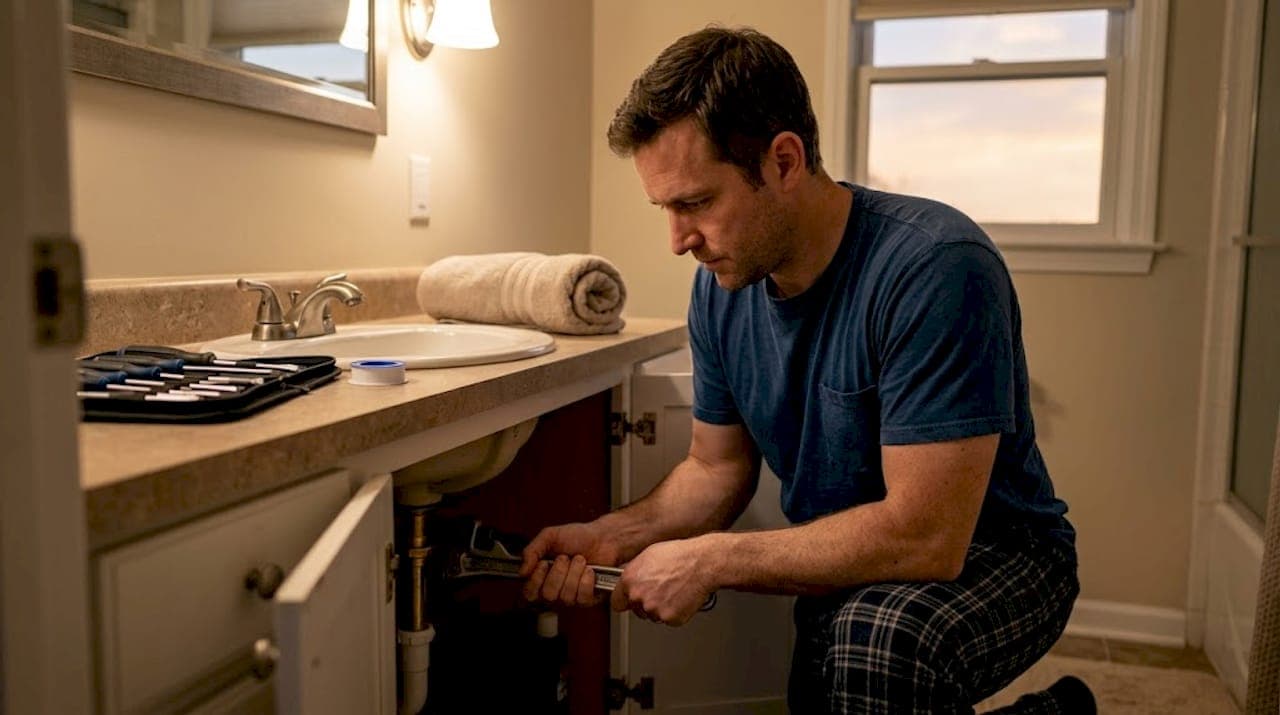
A burst pipe at 11 PM or a backed-up drain on a Sunday morning triggers a specific kind of panic. That panic is exactly where the most common after-hours plumbing mistakes are born. You act fast, grab whatever is under the sink, and start tightening, pouring, or patching. But not shutting off water immediately during a leak emergency worsens damage fast. This article walks you through the most frequent plumbing pitfalls homeowners and property managers fall into after hours, and what to do instead.
Table of Contents
- Key Takeaways
- 1. Common after-hours plumbing mistakes start with over-tightening
- 2. Reaching for chemical drain cleaners as a first move
- 3. Ignoring multiple slow drains or signs of main line backup
- 4. Attempting DIY repairs at night without the right tools
- 5. Using off-brand or low-quality parts in emergency repairs
- My take on what I keep seeing with after-hours emergencies
- Get fast, reliable help when it matters most
- FAQ
Key Takeaways
| Point | Details |
|---|---|
| Stop water first | Locate and shut your main valve before attempting any after-hours fix to limit damage. |
| Avoid chemical cleaners | Harsh drain chemicals corrode pipes and hide deeper clogs that need professional attention. |
| Document everything | Time-stamped photos help plumbers diagnose problems faster and reduce repeat visits. |
| Don't over-tighten | Forcing pipe fittings can crack threads and turn a small drip into a full leak. |
| Use quality parts | Cheap off-brand fixtures fail faster and often have no warranty support. |
1. Common after-hours plumbing mistakes start with over-tightening
When you spot a dripping faucet or a loose pipe connection at midnight, the instinct is to grab a wrench and crank it down hard. It feels like the logical fix. But over-tightening fixtures strips threads, cracks pipe walls, and can split plastic fittings entirely, turning a small drip into a flooded cabinet.
This is one of the most repeated emergency plumbing errors because it feels productive. You are doing something. The problem is that plumbing connections are designed to seal with moderate torque, not maximum force. Once threads are stripped or a fitting cracks, you no longer have a DIY situation. You have an emergency.
Here is what you should watch for when tightening a fitting after hours:
- Stop as soon as resistance increases noticeably
- Use hand-tightening first, then a quarter turn with a wrench
- If it is still leaking after a quarter turn, do not keep going
- Check whether the issue is a worn washer or O-ring, not a loose connection
Pro Tip: Teflon tape applied in the direction of the thread before reconnecting helps fittings seal properly at lower torque. This is a simple supply-store fix that prevents the over-tightening cycle entirely.
If the leak persists after proper tightening, stop and use a temporary patch to control water until a licensed plumber arrives. Check out Drainpointplumbing's guide on temporary pipe repair for fast interim solutions.
2. Reaching for chemical drain cleaners as a first move
It is 2 AM and your kitchen sink is backed up. The bottle of drain cleaner under the sink seems like the fastest solution. In reality, it is one of the most common weekend plumbing issues made worse by that choice.
Harsh chemical cleaners corrode pipes over time, particularly older galvanized or PVC lines. More importantly, chemicals mask deeper blockages rather than clearing them. You might get water moving again, but the root cause stays in place until it fails completely.
Before you open that bottle, try these safer alternatives:
- Boiling water poured slowly in two or three stages for grease-based clogs
- A half-cup of baking soda followed by a half-cup of white vinegar, then flushed with hot water after 15 minutes
- A manual cup plunger with a solid seal around the drain
- A hand-operated drain snake for hair or debris clogs close to the surface
When none of those work, the clog is likely deep in the line or caused by something structural. That is when you call a professional instead of escalating the chemical treatment.
Pro Tip: Regular drain maintenance, like running hot water after each use and avoiding grease disposal, prevents most overnight clogs before they start. A five-second habit beats a 2 AM emergency every time.
3. Ignoring multiple slow drains or signs of main line backup
A single slow drain is usually a localized clog. But when two or more fixtures drain slowly at the same time, or when flushing a toilet causes water to bubble up in a tub, that is a different problem entirely. Simultaneous slow drains and sewage smells signal a main line blockage that requires urgent professional service.
Homeowners and property managers frequently make the mistake of treating each symptom separately. They plunge the toilet, pour cleaner in the sink, and assume it is handled. Meanwhile, pressure builds in the main sewer line. When that line backs up fully, sewage enters the home through the lowest drain points. This is not a plumbing inconvenience. Sewage backups require biohazard mitigation, professional repair, and an insurance notification to recover properly.
If you suspect a main line issue, do the following in order:
- Stop using all water-consuming fixtures immediately
- Do not flush toilets or run the dishwasher
- Photograph the affected drains and note the time symptoms started
- Call a licensed plumber and describe all affected fixtures, not just one
That last step matters more than most people realize. Time-stamped photos and fixture-specific notes help technicians distinguish a main line problem from a branch issue before they even arrive, cutting diagnostic time and repeat visits significantly.
Capturing exactly what is happening, where, and when is the most useful thing you can do between noticing a backup and the plumber arriving. It turns a reactive visit into a targeted fix.
4. Attempting DIY repairs at night without the right tools
Plumbing mistakes at night often come down to one factor: you are working in poor light, under stress, with whatever tools happen to be in the garage. That combination produces worsened leaks and pipe damage that end up costing far more than the original problem.
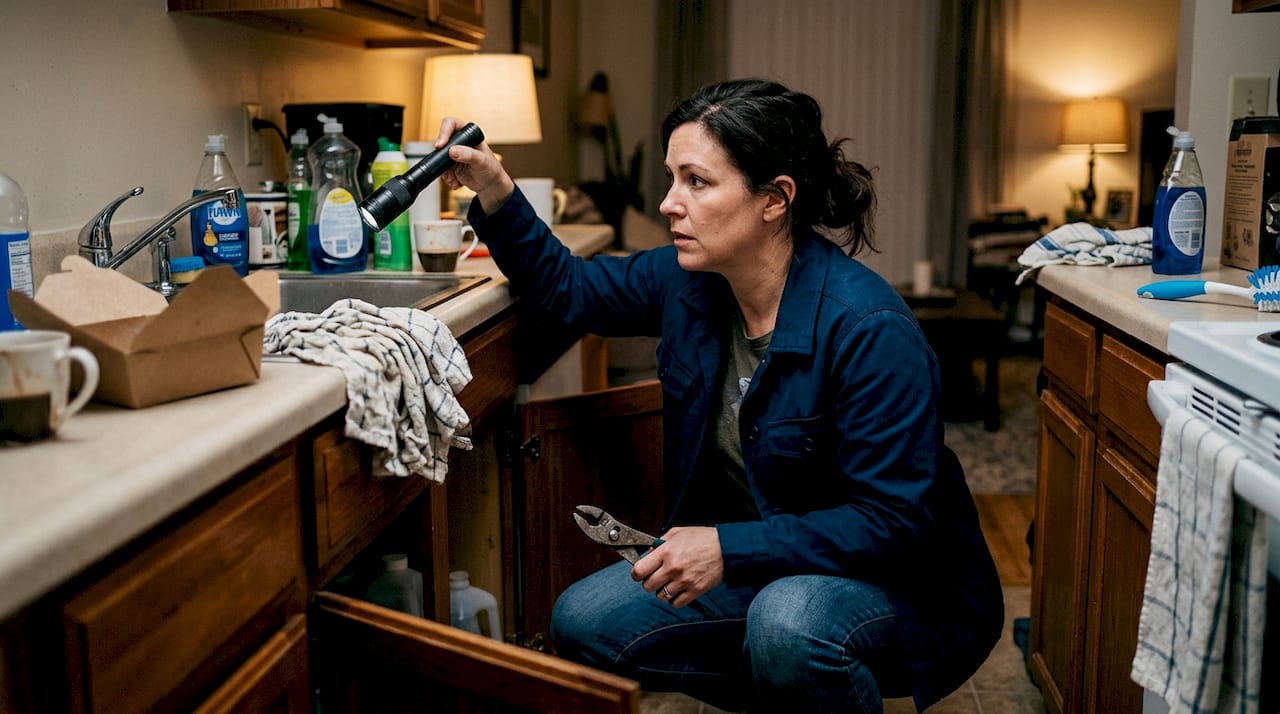
One of the most common scenarios is improper drain snaking. A cheap or incorrectly used snake can scratch the inside of pipes, push a clog further into the line, or get stuck and break off inside the drain. Attempting to cut or splice pipes without the right fittings creates joints that fail within days. Working near shut-off valves without knowing which one controls what can lead to shutting off water to the wrong zone entirely.
Consider these safer alternatives for after-hours DIY attempts:
- Use a flashlight or phone light to assess the problem clearly before touching anything
- Focus only on isolating the issue: shut off the supply valve closest to the leak
- Apply waterproof repair tape as a short-term hold until morning
- Avoid cutting, splicing, or applying adhesive under pressure or stress
Understanding how emergency plumbing dispatch works can help you make smarter decisions about whether to attempt a fix or call for help. Sometimes the best after-hours plumbing tip is simply knowing when to stop.
Pro Tip: Keep a basic plumbing emergency kit in the house: waterproof repair tape, a flashlight, the location of your main shut-off valve written down, and the number of a 24/7 plumber. That kit does more than any tool you might grab in a panic.
5. Using off-brand or low-quality parts in emergency repairs
When a fixture fails at night and a hardware store run is your only option, it is tempting to grab the cheapest replacement part on the shelf. This is one of the frequent plumbing pitfalls that creates a second emergency weeks or months later.
Cheap off-brand plumbing parts often lack the durability and warranty support that name-brand fixtures carry. O-rings degrade faster. Valve seats wear unevenly. Connectors that looked fine at installation start weeping at the joints within a season.
Here is a quick comparison to frame the real cost difference:
| Factor | Name-brand parts | Off-brand parts |
|---|---|---|
| Warranty coverage | Usually 1 to 5 years | Rarely included |
| Material quality | Brass, ceramic disc | Plastic composites |
| Lifespan | 10 to 20 years typical | 1 to 3 years typical |
| Failure risk | Low with proper install | High under pressure or heat |
| Cost of failure | Low (covered or durable) | High (repeat repair costs) |
The urgency of an after-hours situation should not override judgment on part quality. If a 24-hour store only carries off-brand options, consider using a temporary repair to hold things through the night and sourcing the right part the next morning with a licensed plumber's input. A professional will also know which brands hold up best in your specific pipe material and water pressure conditions.
My take on what I keep seeing with after-hours emergencies
I have talked with homeowners across Santa Barbara County who describe the same pattern: they tried something at 10 PM, made it worse, and called us at midnight. What I have learned from those calls is that the mistake rarely comes from bad intentions. It comes from panic short-circuiting good judgment.
The homeowners who handle after-hours problems best are the ones who do two things first. They shut off the water supply. Then they describe the situation clearly before they touch anything else. That combination alone prevents the majority of the emergency plumbing errors I see escalate unnecessarily.
What surprises people is how often the fix itself is straightforward once a professional gets eyes on it. But a 10-minute fix can turn into a 2-hour repair because of what happened in the hour before the call. A DIY patch that failed, a chemical treatment that obscured the actual blockage, or a fitting that got cracked from over-tightening.
My honest opinion: every homeowner and property manager should have a plumbing service contract in place before an emergency happens. Not because emergencies are inevitable, but because having a relationship with a trusted plumber changes how you respond when one does occur. You call instead of guess. That single shift saves money, property, and a lot of 2 AM stress.
— Kirk
Get fast, reliable help when it matters most
When you are dealing with a burst pipe, a sewer backup, or a fixture failure after hours, Drainpointplumbing is available 24/7 to respond fast across Santa Maria and Santa Barbara County. You do not have to guess your way through a plumbing crisis at midnight.
Drainpointplumbing's team provides residential plumbing repairs for everything from emergency leaks to complete fixture replacements, and their sewer camera inspection service pinpoints main line issues without the guesswork. If you want to prevent after-hours emergencies altogether, their water filtration installation and maintenance programs keep your system running clean year-round. Request a free quote at Drainpointplumbing and have a trusted team ready before the next emergency finds you.
FAQ
What are the most common after-hours plumbing mistakes?
The most common after-hours plumbing mistakes include over-tightening pipe fittings, using chemical drain cleaners, ignoring multiple slow drains, and attempting DIY repairs without proper tools. Each of these tends to worsen the original problem before a professional can address it.
Should I use chemical drain cleaner for a clog at night?
No. Harsh chemical drain cleaners corrode pipes and only mask deeper blockages rather than clearing them. Try hot water, baking soda and vinegar, or a manual plunger first, and call a plumber if those fail.
How do I know if I have a main sewer line problem?
If two or more fixtures drain slowly at the same time, or flushing a toilet causes bubbling in a tub or sink, that points to a main line blockage. Stop using all water fixtures and call a licensed plumber right away.
What should I do first during an after-hours plumbing emergency?
Shut off the water supply valve closest to the source of the leak, or the main shut-off valve if you cannot locate the right one. That single step limits water damage and buys you time to call a professional.
Is it okay to use off-brand parts for an emergency plumbing fix?
Off-brand plumbing parts are a short-term workaround at best. They lack warranty protection and wear out much faster than name-brand fixtures. Use a temporary repair to get through the night and source quality parts with a licensed plumber's help the next day.