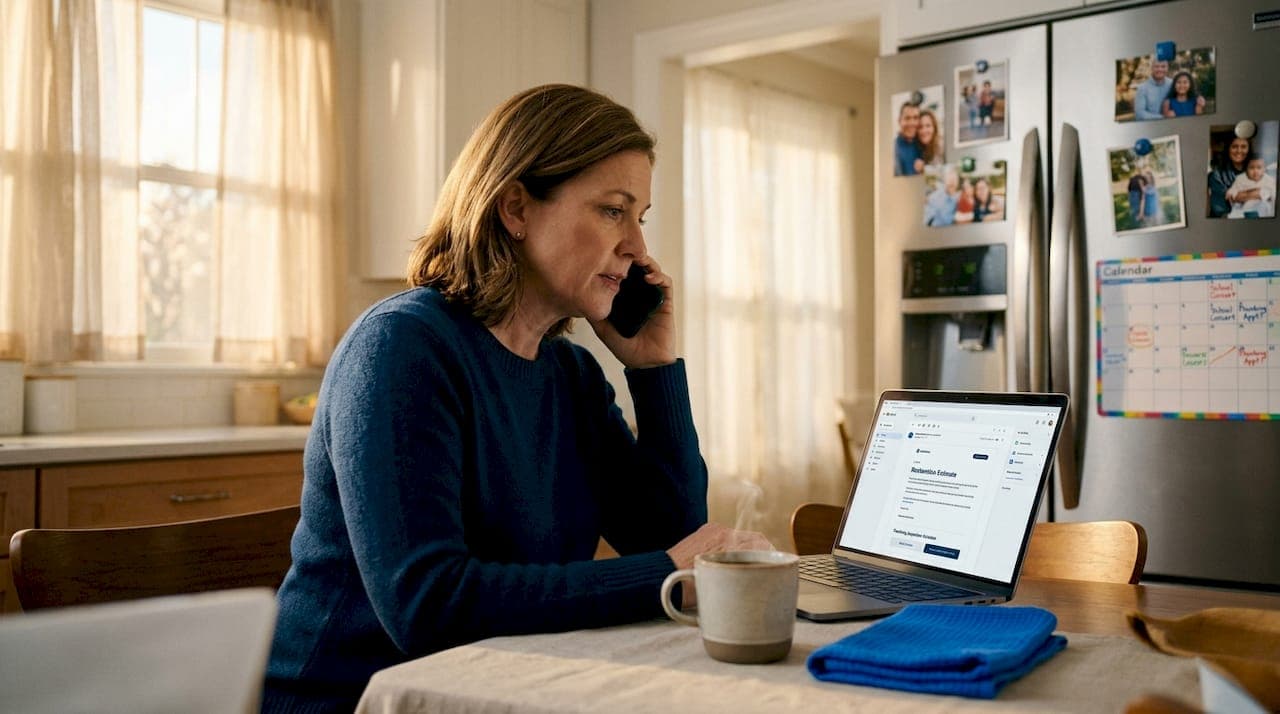
It's 2 a.m. and water is spreading across your bathroom floor. You need to find a 24 hour plumber local to your area right now, and you have no idea who to call or whether that person will actually show up. That panic is real, and it costs homeowners more money and damage every year than the original problem ever should have. This guide walks you through exactly what to do before you call, how to locate and verify a reliable emergency plumber near me search result, and what to watch out for so you don't get taken advantage of in a vulnerable moment.
Table of Contents
- Key Takeaways
- What to prepare before calling a 24-hour plumber
- How to find and evaluate local 24-hour plumbers quickly
- What to expect during and after the service call
- Common mistakes that make emergencies worse
- Safety and preparedness tips for next time
- My honest take on finding emergency plumbers under pressure
- Drainpointplumbing is ready when you need us most
- FAQ
Key Takeaways
| Point | Details |
|---|---|
| Shut off water first | Locate your main valve before a crisis so you can stop damage immediately while you search for help. |
| Verify before you hire | Always confirm a plumber's license and insurance before work starts to protect yourself from liability. |
| Compare at least two providers | Calling only one plumber under pressure often leads to overpaying or poor service quality. |
| Expect after-hours pricing | Night and weekend calls cost more due to overtime rates, so get a clear written estimate upfront. |
| Save a contact in advance | Storing a trusted local 24/7 plumber's number now means far less stress when an emergency hits. |
What to prepare before calling a 24-hour plumber
Most homeowners waste the first fifteen minutes of a plumbing emergency in pure confusion. Having a plan before you pick up the phone makes the difference between a manageable repair and a flooded home.
Know your shut-off valve location
Your single most important task right now, before any emergency happens, is finding your main water shut-off valve. It is usually located near the water meter, in a basement, crawl space, or along an exterior wall. Experts recommend locating and operating the shut-off valve yearly to confirm it functions properly. A seized valve during a burst pipe situation turns a bad night into a catastrophic one. Once you find it, turn it fully off and back on to confirm it moves freely.
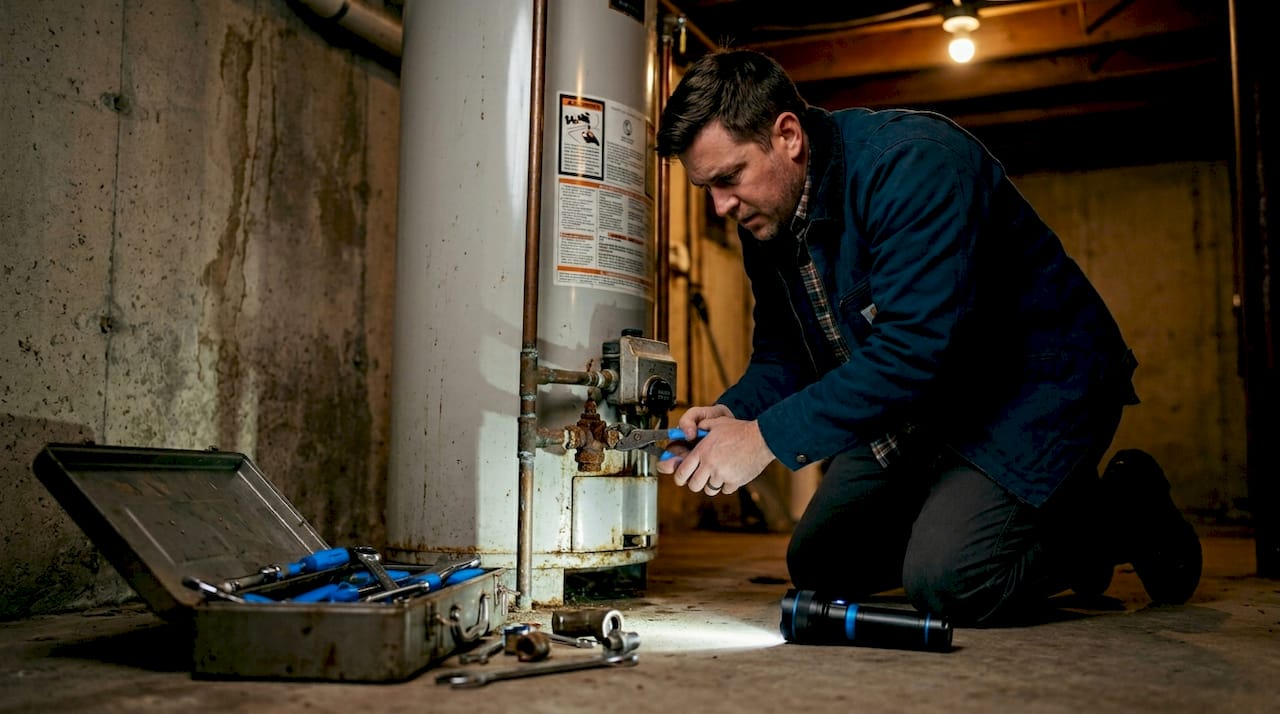
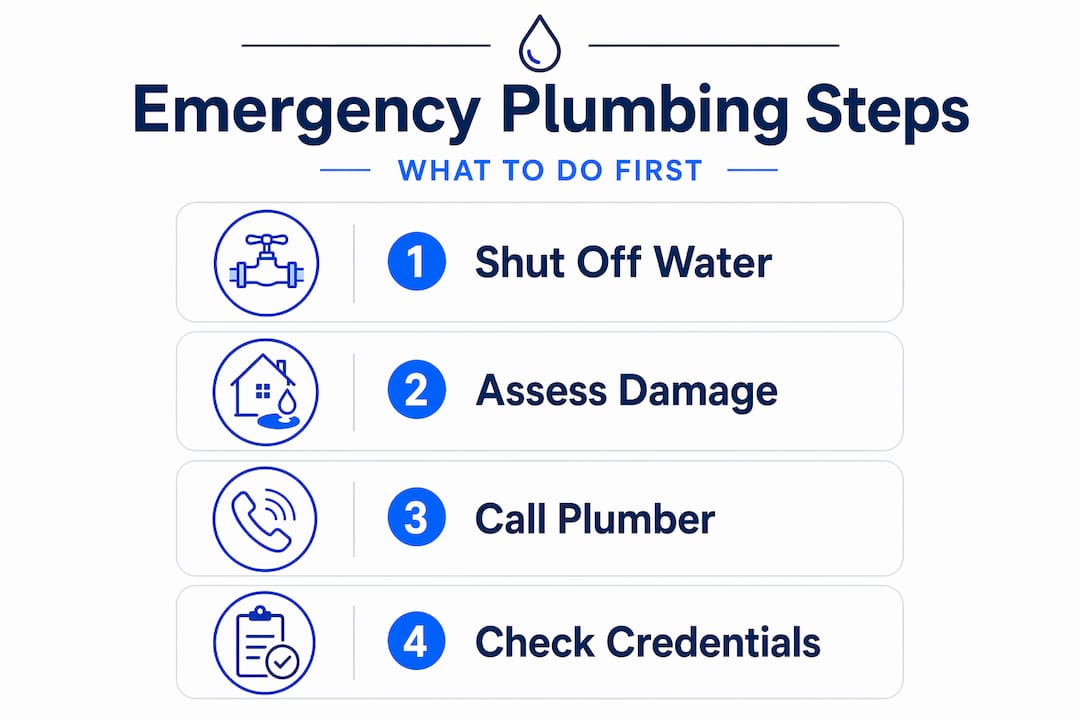
Shutting off the water before calling a plumber does more than stop immediate damage. Stopping water flow yourself buys you time to compare providers instead of calling the first number you see in a panic.
Gather the right information before you dial
When you call a local 24/7 plumbing service, they will ask you specific questions. Having answers ready speeds up dispatch and helps the plumber arrive prepared.
- Your full address, including any gate codes or access instructions
- A clear description of the problem (water coming from ceiling, toilet overflowing, no hot water)
- Whether the water is already shut off
- The age of your home and any known pipe materials, if you have them
- Whether you smell gas (this changes everything and requires a different call first)
Check credentials before you commit
Licensed plumbers with liability and worker's compensation insurance protect you from financial exposure if something goes wrong on your property. Ask for the license number before anyone starts work. You can verify most state contractor licenses in about 60 seconds on your state licensing board's website. This one step eliminates most bad actors.
Pro Tip: Prepare three questions to ask any emergency plumber before hiring: What is your license number? Are you insured for liability and workers' comp? Can you give me a written estimate before starting work? A legitimate contractor will answer all three without hesitation.
How to find and evaluate local 24-hour plumbers quickly
When you need to find a 24 hour plumber local to your neighborhood fast, you need a process, not just a Google search. Here is how to move through it efficiently without making costly mistakes.
- Search with location-specific terms. Use "emergency plumber near me" or include your city name. Avoid generic national directories that show you call centers instead of local crews.
- Check Google Business profiles. Look at the star rating, but more importantly, read the one-star and two-star reviews. Emergency response complaints show up there first.
- Confirm true 24/7 availability. Call the number and see who answers. Live dispatchers available 24/7 are a sign of a serious operation. If you reach a voicemail at 11 p.m., keep searching.
- Ask about response time directly. Most emergency plumbers arrive within 1 to 3 hours in metro areas, with some services guaranteeing under 60 minutes for a priority fee of $50 to $100.
- Verify the license number independently. Don't just take their word for it. Run the number on your state licensing board's website before anyone shows up at your door.
- Contact two providers. You don't need to spend an hour comparing. Two calls takes five minutes and immediately tells you who is actually available and what the price range looks like.
What red flags to watch for
Not everyone who answers an emergency plumbing call at midnight is who they say they are. Watch for these warning signs: prices quoted with no mention of a written estimate, high-pressure tactics to approve work before diagnosis, no verifiable local address, or requests for full cash payment upfront. Verifying credentials for emergency repairs is not optional, even at 3 a.m.
A reliable comparison table helps you evaluate quickly when stress makes thinking harder.
| What to check | Green flag | Red flag |
|---|---|---|
| Licensing | Verified license number provided | Refuses to share or deflects |
| Insurance | Liability and workers' comp confirmed | "We're covered, don't worry about it" |
| Response time | Clear estimated arrival time given | Vague "we'll be there as soon as we can" |
| Estimate | Written or verbal quote before work | Pricing only discussed after work starts |
| Reviews | Recent positive emergency-specific reviews | Only old reviews or no reviews at all |
Pro Tip: If you have a few minutes while waiting for a callback, look up the plumber's name and phone number together on Google. Scam operations often have the same number tied to multiple business names with few reviews.
What to expect during and after the service call
Knowing what a normal emergency service visit looks like helps you stay in control instead of just hoping for the best.
- Arrival and assessment. A professional will walk through the problem with you before touching anything. They should explain what they see, what caused it, and what the repair options are.
- Written estimate before work. Always get a price before work begins. Active communication about diagnosis and pricing is what separates trustworthy contractors from opportunistic ones.
- Temporary vs. permanent fix. Sometimes the right call at 2 a.m. is a temporary repair to stop damage now, with a scheduled return for the full fix in daylight. This is legitimate. Ask the plumber to explain exactly what is temporary and what needs follow-up.
- Itemized invoice. Before they leave, ask for a written invoice that separates labor, parts, and any after-hours fees. After-hours calls typically cost more due to time-and-a-half or double overtime rates, and you need to see those line items clearly.
- Warranty confirmation. Ask what is covered and for how long. Any reputable plumber will stand behind their work with at least a 30-day labor warranty on emergency repairs.
- Test before they leave. Run water, flush the toilet, or recreate the condition that caused the problem. Confirm the fix holds before you sign off.
Understanding what qualifies as a plumbing emergency also helps you decide whether a same-night call is truly needed or whether a next-morning appointment is the smarter financial choice.
Common mistakes that make emergencies worse
Most of the pain homeowners experience during plumbing emergencies is self-inflicted. These are the six mistakes that cause the most damage and cost.
- Not shutting off the water first. Every minute water flows unchecked adds to your repair bill and potential mold risk. Shut it off, then call.
- Calling the first number you find. Stress pushes people to act before thinking. Even one additional call gives you a comparison point that could save you hundreds of dollars.
- Skipping the license and insurance check. An unlicensed plumber who damages your supply line further may leave you with no legal recourse and a much bigger problem.
- Ignoring negative reviews. One or two bad reviews are normal. A pattern of complaints about no-shows, surprise charges, or shoddy work is a firm reason to keep searching.
- Agreeing to work without a price. Once a plumber is in your home and work has started, your negotiating position disappears. Get a number before anyone picks up a wrench.
- Skipping the follow-up check. Many leaks and clogs return within days if the root cause isn't addressed. If the problem comes back, call immediately rather than hoping it resolves itself.
Pro Tip: Set a phone reminder for 48 hours after the repair to check the area again. Catching a recurring leak before it spreads into a wall saves you from a much costlier restoration project.
Safety and preparedness tips for next time
The best time to prepare for a plumbing emergency is before one happens. These steps take less than an hour total and can prevent thousands of dollars in damage.
- Annual maintenance of shut-off valves significantly reduces response delays and property damage. Add it to your seasonal home maintenance checklist.
- Save the number of a trusted local plumbing service in your phone now, labeled clearly. When water is pouring through your ceiling is not the moment to start researching.
- Learn the location of secondary shut-offs under sinks and behind toilets for isolated fixes that don't require cutting water to the whole house.
- Keep a basic tool kit with an adjustable wrench and plumber's tape accessible. These handle minor leaks temporarily while you wait for professional help.
- Know when to call a professional versus attempting a DIY fix. Visible sewage, gas smells, flooding, or anything involving your main line requires a licensed emergency plumber every time.
Emergency plumbers often carry specialized tools and temporary isolation valves to stop flooding when main shut-offs fail. Local plumbers familiar with your area's housing architecture respond faster and limit damage more effectively because they already know what to look for.
My honest take on finding emergency plumbers under pressure
I've seen what happens when homeowners skip the verification step because they're panicked and just want someone there fast. In one case I heard directly from a Santa Maria homeowner, an unlicensed contractor "repaired" a burst supply line behind a wall with a patch that failed four days later. The resulting water damage cost three times what a licensed repair would have.
What I've learned is that two minutes of credential checking is always worth it. Even in a genuine crisis, a 60-second search on your state's contractor license lookup site tells you everything. If a plumber can't provide a license number immediately, that's your answer.
My other strong opinion: local knowledge matters more than people realize. A plumber who services your specific neighborhood knows the quirks of your area's water pressure, pipe materials, and housing stock. That knowledge speeds up diagnosis and reduces the chance of a "fix" that misses the actual cause. When you search for affordable emergency plumbing near me, prioritize local operators with verifiable history in your area over national dispatch services that subcontract to unknown crews.
Stay calm, shut off the water, verify the license. In that order.
— Kirk
Drainpointplumbing is ready when you need us most
When a plumbing emergency hits in Santa Maria or anywhere across Santa Barbara County, Drainpointplumbing is the local, licensed, and insured team that picks up the phone at any hour.
Drain Point Plumbing & Restoration has over 15 years of hands-on experience with everything from burst pipes and clogged sewer lines to water heater failures and full fixture replacements. The team offers residential plumbing repairs and restoration services 24 hours a day, 7 days a week, with fast dispatch and transparent pricing. Seniors and military personnel receive special discounts. Whether you need immediate help tonight or want to get ahead of the next emergency, request a free quote and have a trusted local number in your phone before you ever need it.
FAQ
How fast does an emergency plumber typically arrive?
Most emergency plumbers arrive within 1 to 3 hours, with priority service options that guarantee under 60 minutes for an additional fee of $50 to $100.
How do I find a 24 hour plumber local to my area?
Search for "emergency plumber near me" with your city name, check Google Business reviews specifically for emergency response feedback, call to confirm live 24/7 dispatch, and verify the plumber's license number before committing.
Are after-hours emergency plumbers more expensive?
Yes. After-hours plumbing calls typically cost more because most plumbers charge time-and-a-half or double rates for nights, weekends, and holidays. Always ask for a written estimate before work begins.
What should I do before the plumber arrives?
Shut off your main water valve immediately to limit damage, then gather your address, a description of the problem, and any access information the plumber will need. Stopping the water flow yourself also gives you time to compare at least two local providers.
How do I know if a 24-hour plumber is legitimate?
Ask for their contractor license number and verify it independently on your state's licensing board website. Licensed plumbers with liability and workers' comp insurance protect you from financial liability if anything goes wrong during the repair.