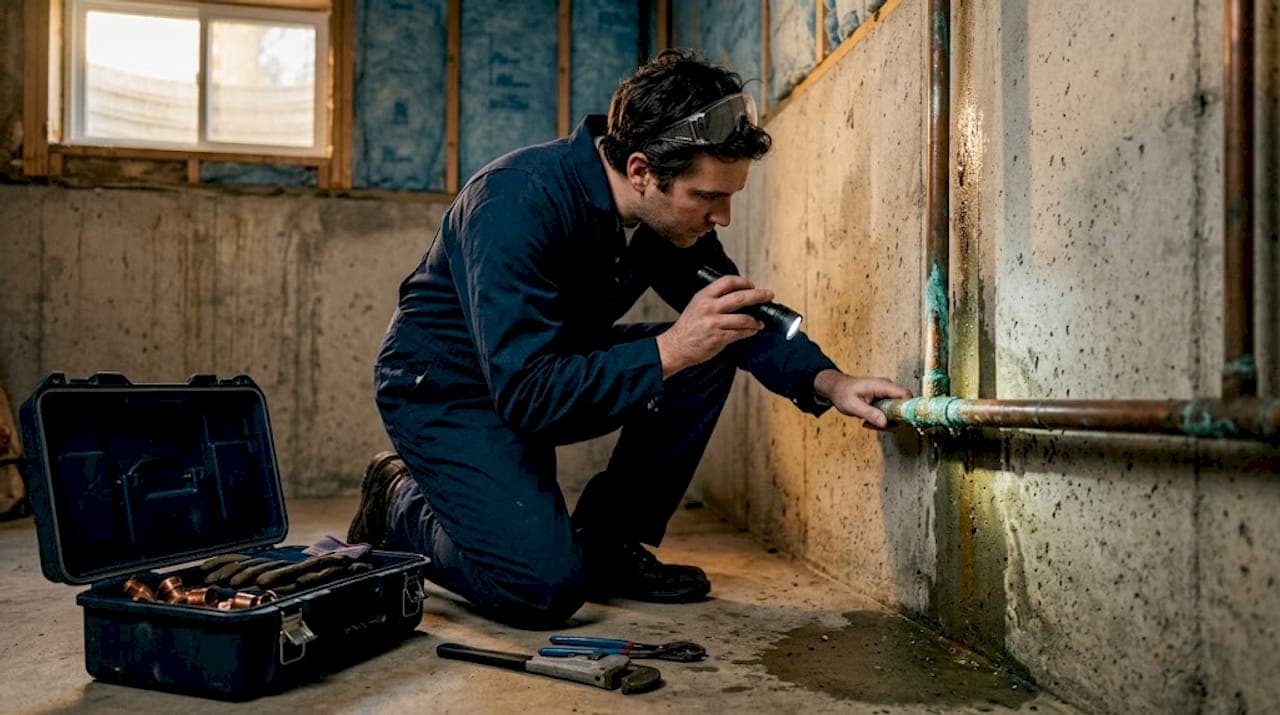
When a pipe bursts at midnight or your water turns rust-brown overnight, panic sets in fast. Understanding how emergency repiping works before that moment arrives gives you a real advantage. Most homeowners assume repiping means weeks of construction and a gutted home. That's rarely the case. Emergency repiping is a focused, professional process that a qualified plumber can often complete in one to two days. This guide walks you through every stage so you know exactly what to expect, what it costs, and how to make smart decisions when the pressure is on.
Table of Contents
- Key takeaways
- How emergency repiping works, step by step
- Emergency repiping vs. other plumbing solutions
- Costs, timeline, and benefits of acting fast
- Managing the situation: what to do right now
- My honest take after 15 years of emergency calls
- Get emergency repiping help from Drainpointplumbing
- FAQ
Key takeaways
| Point | Details |
|---|---|
| Emergency repiping is fast | A licensed plumber can often complete the job in one to two days, not weeks. |
| The process follows clear stages | From shutting off water to pressure testing, each step has a defined purpose. |
| Delaying increases costs | Acting quickly reduces water damage risk and future repair bills significantly. |
| Not all pipe failures need repiping | A plumber must assess whether a targeted repair or full repipe is the right fix. |
| Hire licensed professionals only | A licensed plumber reduces the risk of future leaks and ensures code compliance. |
How emergency repiping works, step by step
Repiping replaces old or damaged pipes with new ones to restore water pressure, eliminate leaks, and protect your property. In an emergency, speed matters, but the process still follows a disciplined sequence. Skipping steps causes bigger problems down the road.
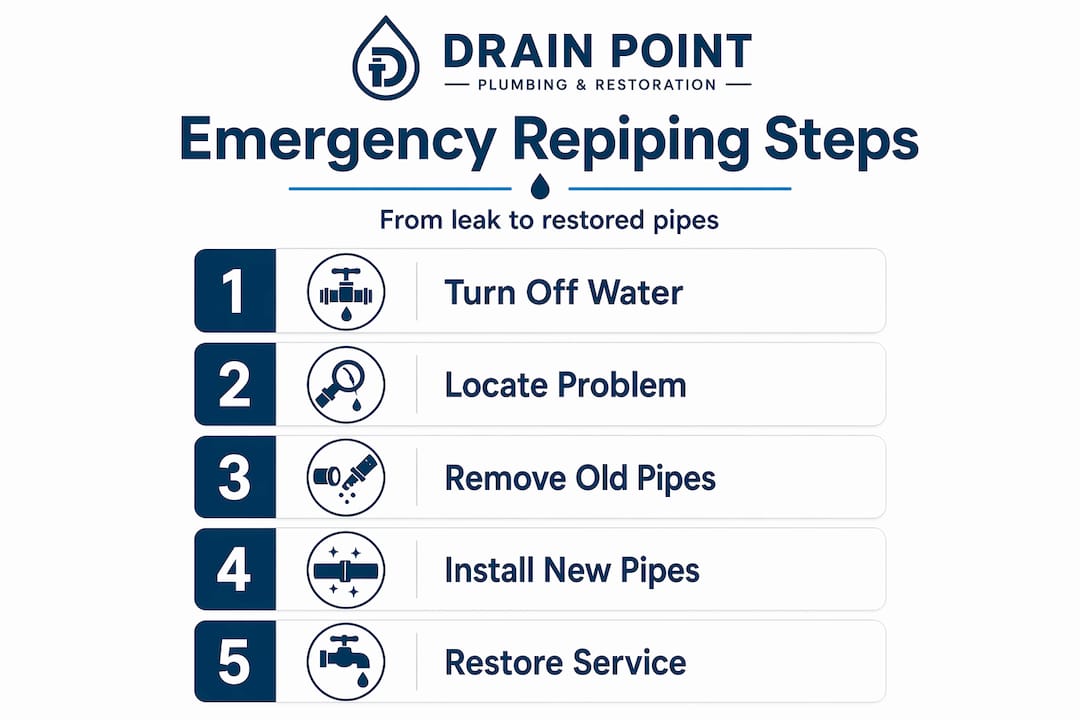
Here is exactly what happens during a professional emergency repipe:
-
Shut off the main water supply. The plumber locates your main shutoff valve and closes it. This stops water flow throughout the house immediately and prevents additional flooding or damage.
-
Drain all existing water lines. Opening all faucets, flushing toilets, and draining the water heater empties the system safely before any pipe is touched. This step protects you from spills during removal.
-
Locate and access the damaged pipes. The plumber identifies which pipes need replacement. Cutting small access holes in walls near fixtures is standard practice. In genuine emergencies, access is typically minimal and strategic, not a full wall demo.
-
Remove the old pipes. Damaged sections are carefully cut out. If you have old galvanized steel or corroded copper, this step can reveal why your water pressure has been poor for years.
-
Measure, cut, and fit new piping. PEX piping is commonly used for emergency repiping because it is flexible, corrosion-resistant, and faster to install than rigid copper. New pipes are measured precisely, cut, and connected with fittings and sealants designed to prevent leaks.
-
Connect and secure all fittings. Every joint is checked. Connectors are tightened and sealant is applied where needed. This is where craftsmanship separates a reliable job from a callback-waiting-to-happen.
-
Test the new system. Slowly turning the water back on allows the plumber to monitor every fitting for leaks. Pressure is checked throughout the system. Any weeping joints are re-tightened or re-sealed before the job is declared done.
-
Clean up and restore access points. Drywall patches, fixture reconnections, and cleanup follow. Some plumbers include this in their scope; others coordinate with a separate contractor.
Pro Tip: Before the plumber arrives, locate your main water shutoff and turn it off yourself if water is actively flooding. Every minute of flow is more damage to your floors, walls, and subfloor.
Emergency repiping vs. other plumbing solutions
Not every pipe failure requires a full repipe. Understanding the difference saves you money and avoids unnecessary work.
| Scenario | Best solution | Time required | Disruption level |
|---|---|---|---|
| Single pipe burst, isolated | Targeted pipe repair | 1 to 4 hours | Minimal |
| Multiple leaks, aging pipes | Full emergency repipe | 1 to 2 days | Moderate |
| Planned upgrade, no active emergency | Scheduled repipe | 2 to 5 days | Moderate |
| Severe corrosion, whole system failure | Full emergency repipe | 1 to 3 days | Moderate to high |
Full repiping ensures ongoing reliability in a way that patch fixes simply cannot, particularly when the underlying system is severely corroded or has failed in multiple places. If your plumber finds one burst pipe in an otherwise sound system, a targeted repair makes sense. If the pipes are galvanized steel from the 1960s and you've had three leaks in two years, you are patching a sinking ship.
Signs that point toward emergency repiping rather than a simple repair include:
- Discolored or rust-colored water coming from multiple fixtures
- Consistently low water pressure across the entire home
- Visible corrosion or pinhole leaks in more than one location
- Pipes that are known to need repiping due to age (galvanized steel over 50 years old)
- A sudden pipe burst in a home with a history of plumbing problems
A temporary pipe repair can buy you time while you arrange the full repipe, but it is not a permanent fix when the system is broadly compromised.
Costs, timeline, and benefits of acting fast
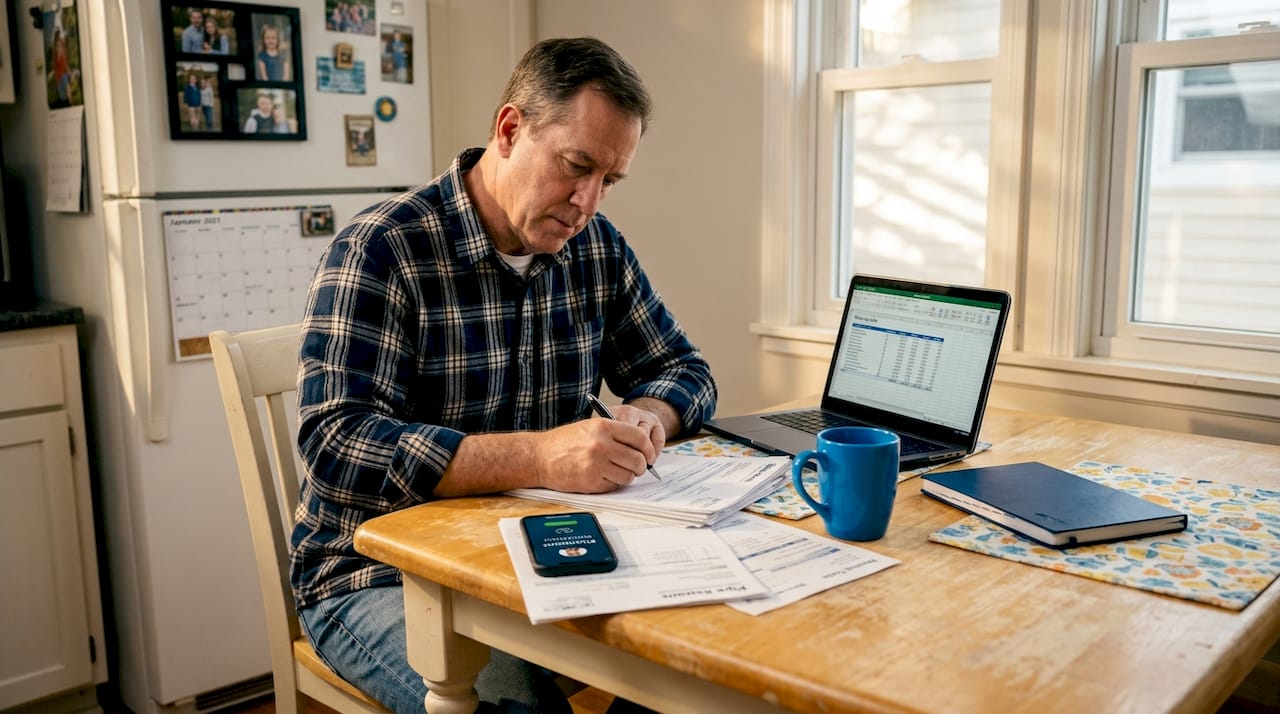
The cost of emergency repiping depends on several factors: the size of your home, which materials are used, how accessible the pipes are, and whether it is after hours. Emergency plumbing costs vary based on job scope, urgency, and materials, so getting a same-day quote is the most reliable way to understand your specific situation. Most whole-house repipes fall in the range of $4,000 to $15,000, with emergency premiums applying for nights and weekends.
Timeline is faster than most homeowners expect. A competent crew handling a standard single-family home can often complete the emergency pipe replacement process within 24 to 48 hours. Larger homes or complex systems may take an extra day.
The benefits of repiping quickly go beyond stopping the leak:
- Reduced water damage. Fast repiping reduces future repair costs by stopping ongoing water exposure to your walls, floors, and foundation.
- Improved water quality. New PEX or copper pipes eliminate the rust and sediment that corroded old pipes shed into your water supply.
- Better water pressure. Buildup inside old galvanized pipes restricts flow significantly. New pipes restore full pressure throughout the home.
- Peace of mind. Knowing your plumbing system is sound means no more waking up to water on the floor.
Delaying repiping after a known failure is where homeowners lose the most money. Water damage compounds quickly. What starts as a contained leak behind a wall becomes mold growth within 24 to 48 hours. Mold remediation alone can cost more than the repipe itself.
Pro Tip: Check your homeowner's insurance policy before calling a plumber. Some policies cover water damage from sudden pipe bursts, which may offset repair costs. Document everything with photos before cleanup begins.
Insurance companies often cover sudden and accidental damage but not gradual deterioration. Knowing that distinction helps you frame the claim correctly from the start.
Managing the situation: what to do right now
If you are in the middle of a plumbing emergency, the sequence of actions you take in the next hour matters enormously.
-
Shut off the water immediately. Quick shutoff minimizes flooding and limits the scope of damage. Know where your main shutoff valve is before you ever need it.
-
Open all faucets to drain residual water. This relieves pressure in the lines and reduces dripping from damaged sections.
-
Move valuables and document damage. Take photos and video of everything before you move or dry anything. This is your insurance documentation.
-
Call a licensed emergency plumber. Know how to find a 24-hour plumber in your area before an emergency happens. When you call, be ready to describe the location of the damage, what type of pipes are visible, and whether the water is still actively flowing.
-
Have key information ready. Know your home's age, the type of pipes you have if possible (copper, PEX, galvanized), and the location of your shutoff valves. Knowing how to describe a plumbing emergency clearly to a dispatcher helps them dispatch the right crew faster.
-
Do not attempt DIY repiping. Professional plumbers handle pipe removal and installation safely, including dealing with hazardous materials like lead pipes. Safety protocols during repiping require proper protective equipment and safe disposal practices that the average homeowner is not equipped for.
When selecting a plumber, verify their license, ask whether they carry liability insurance, and request a written scope of work before they start. A licensed, experienced plumber reduces the risk of callbacks, failed inspections, and future leaks significantly.
Pro Tip: Ask any emergency plumber upfront whether their quote includes wall patching and cleanup. Some do, some don't. Knowing this before work starts prevents surprise invoices at the end.
After the job is complete, request documentation of what was replaced, what materials were used, and what warranty applies to the labor and parts. Most reputable plumbers offer a workmanship warranty of at least one year.
My honest take after 15 years of emergency calls
I've been on dozens of emergency repiping calls, and the pattern is almost always the same. Homeowners call in a panic expecting the worst. They've already googled "how to repipe a house" at 2 a.m. and convinced themselves it takes a week and costs a fortune. By the time we arrive and assess the situation, they're relieved that the process is far more focused and manageable than they imagined.
The biggest misconception I encounter is that emergency repiping means tearing apart your entire home. In most cases, a skilled crew works in targeted sections, accesses only what they need, and leaves the property in significantly better shape than they found it.
What I've learned is that the homeowners who wait are the ones who pay the most. A pipe that fails on a Friday afternoon, left unaddressed until Monday morning "to avoid emergency rates," often causes thousands of dollars in additional water damage over that weekend. The emergency premium on labor is almost always smaller than the cost of what water does when left unchecked.
My one firm caution: do not let anyone start work without a written quote and a clear scope. Emergency doesn't mean blank check. A professional plumber should be able to give you a reasonable estimate on-site before any pipe is touched.
— Kirk
Get emergency repiping help from Drainpointplumbing
When a pipe fails, you need a team that answers the phone at any hour and shows up ready to work. Drainpointplumbing has served homeowners and property managers across Santa Barbara County for over 15 years, with 24/7 emergency response and a track record built on honest assessments and quality workmanship. Their residential plumbing repairs include emergency repiping, fixture replacements, and full-system assessments. If water damage has already occurred alongside the pipe failure, their restoration team handles that too. Senior and military discounts are available. The fastest way to get help is to request a free quote and describe what you're seeing. Don't wait for a small problem to become a major one.
FAQ
What is pipe repiping and when is it needed?
Repiping means replacing old or damaged pipes throughout a home rather than patching individual leaks. It becomes necessary when pipes are severely corroded, aging beyond reliable use, or failing in multiple locations simultaneously.
How long does emergency repiping take?
Most emergency repipe jobs on a standard single-family home take one to two days to complete. Larger or more complex systems may require an additional day depending on accessibility and pipe layout.
How much does emergency repiping cost?
The cost of emergency repiping depends on home size, pipe materials, and whether the job falls outside regular business hours. Whole-house jobs generally range from $4,000 to $15,000, with after-hours emergency premiums adding to that base.
Can I stay in my home during emergency repiping?
In most cases, yes. Water will be off during active work but restored section by section as the job progresses. Your plumber should be able to give you a clear schedule so you can plan accordingly.
What pipe material is used in emergency repiping?
PEX is the most common choice for emergency repiping because it installs faster than rigid copper, resists corrosion, and performs reliably across a wide range of temperatures. Copper remains an option and is preferred in some situations based on local code requirements.