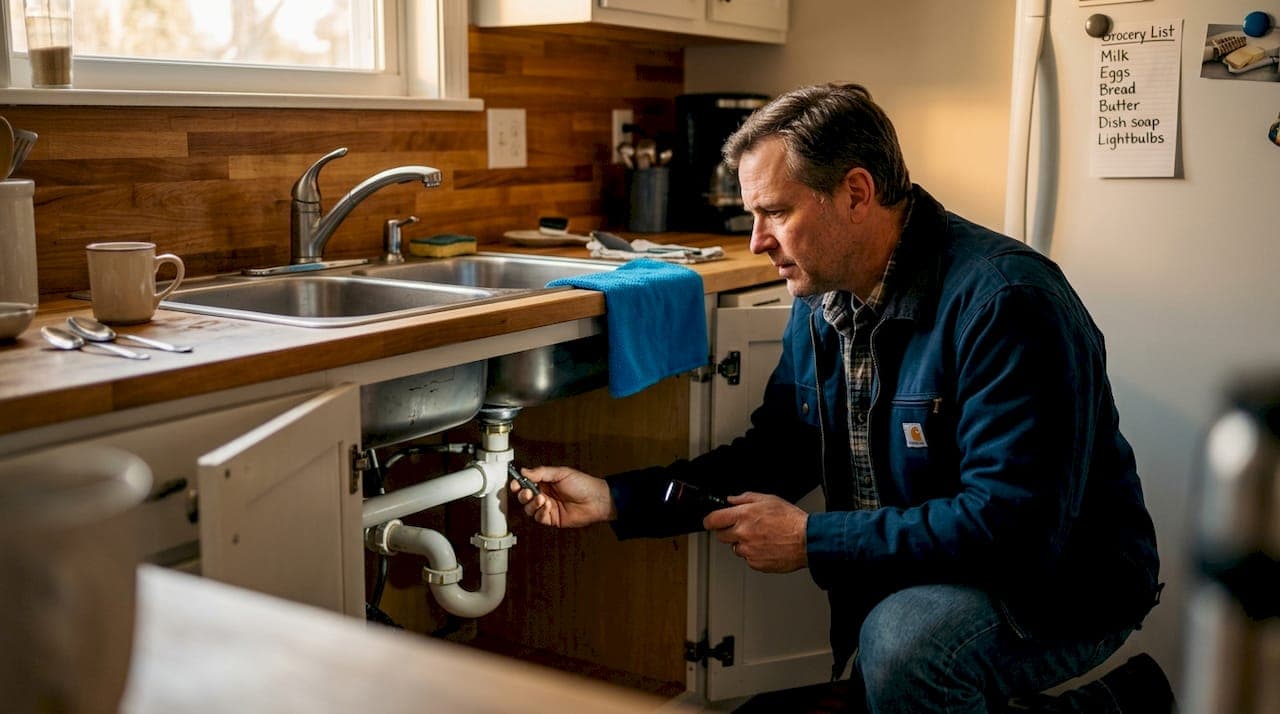
Slow drains are one of those problems that start small and turn expensive fast. Knowing the types of residential drain cleaning available to you is the difference between solving the problem for good and just delaying it. Drain professionals categorize these methods under drain, waste, and vent (DWV) system cleaning, covering everything from fixture traps to your main building drain. This guide breaks down every major method, when each one works best, and how to avoid the mistakes that cost homeowners the most money.
Table of Contents
- Key Takeaways
- How to choose the right residential drain cleaning method
- 1. Drain snaking and augering
- 2. Hydro-jetting
- 3. Chemical drain cleaners
- 4. Comparing your options side by side
- My honest take on drain cleaning choices
- Professional drain cleaning services in Santa Maria, CA
- FAQ
Key Takeaways
| Point | Details |
|---|---|
| Match method to clog type | Hair and soap clogs respond to snaking; grease and root buildup needs hydro-jetting. |
| Chemical cleaners have real limits | They cannot clear solid objects, mineral scale, or root intrusion no matter how long they sit. |
| Multiple slow fixtures mean a main line problem | When more than one drain is slow, DIY methods will not reach the actual clog. |
| Professional inspection saves money | A camera inspection pinpoints the clog before treatment, avoiding guesswork repairs. |
| Prevention extends any cleaning method | Regular maintenance dosing and drain screens reduce how often you need professional service. |
How to choose the right residential drain cleaning method
Not every clog is the same, and using the wrong method wastes time and money. Before reaching for a product or calling a pro, you need to narrow down two things: what is causing the blockage, and where it sits in your plumbing system.
Common clog causes by location:
- Bathroom sink and tub drains: Hair, soap scum, and toothpaste buildup in the trap or just past it
- Kitchen sink drains: Grease, food particles, and dish soap residue coating pipe walls
- Toilets: Solid objects, paper products, or tree roots in older homes
- Main sewer line: Root intrusion, accumulated grease, or collapsed pipe sections
Your pipe material also matters. Older galvanized steel pipes are more vulnerable to chemical damage. PVC and ABS plastic pipes handle most treatments well, but older cast iron can corrode with repeated chemical use.
Multiple slow fixtures or symptoms like gurgling sounds and sewage odors point to a main line clog that sits far beyond the reach of anything you can buy at a hardware store. Professional diagnosis becomes necessary at that point, not optional.
Pro Tip: Before trying any cleaning method, check whether one or multiple fixtures are affected. A single slow bathroom drain almost always has a localized fix. Two or more slow drains at the same time is a different situation entirely.
A video camera inspection gives a plumber the exact clog location, material, and pipe condition before any treatment begins. That information prevents you from paying for a method that cannot fix your specific problem.
1. Drain snaking and augering
Drain snaking is the most widely used mechanical method in residential plumbing. A drain snake is a long, flexible metal cable with an auger tip that either hooks onto clogs and pulls them out or breaks them apart so water can flow through again.
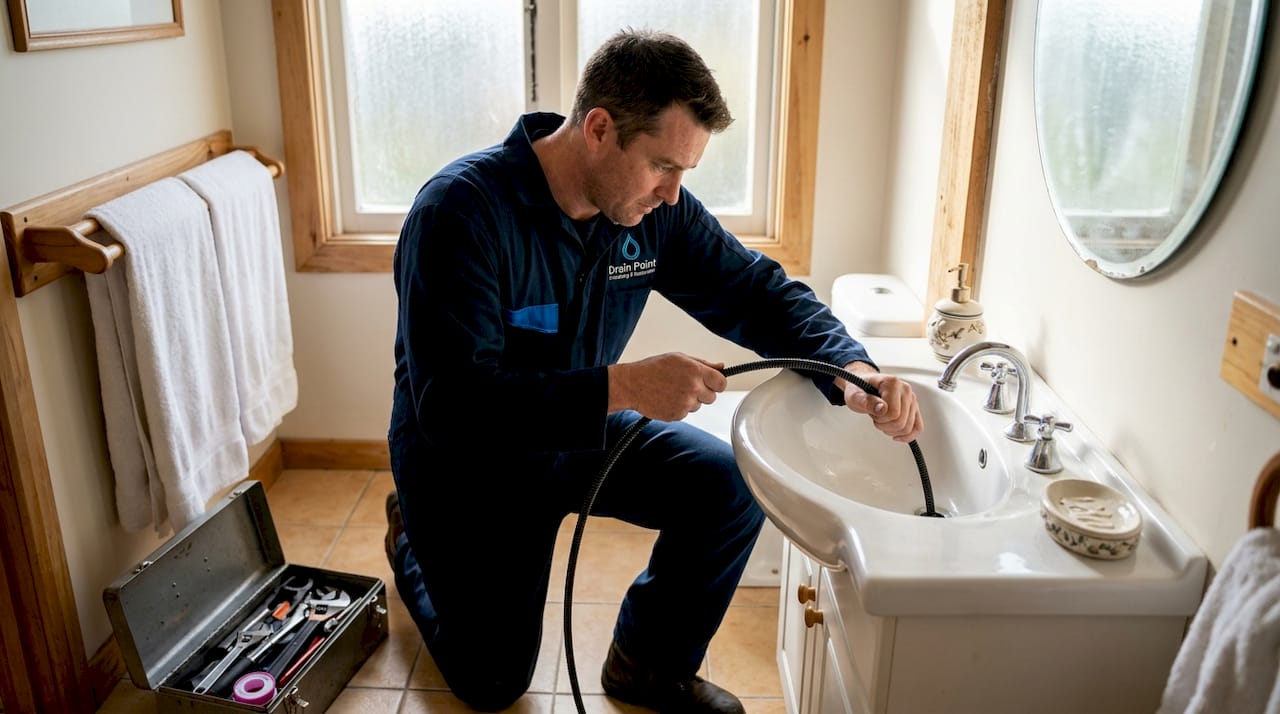
There are two main types: hand-cranked snakes for simple fixture-level clogs, and motorized drum augers for tougher blockages in branch lines and toilets. Hand snakes work fine for bathroom sinks and tub drains where hair is the culprit. Motorized versions handle toilets and deeper clogs where manual torque is not enough.
Bathroom drains clogged with hair respond well to augering, and toilet blockages caused by solid objects almost always require a closet auger designed specifically for that fixture's curved trap.
Where snaking works best:
- Hair and soap buildup in bathroom sink or tub drains
- Toilet clogs from solid objects or paper products
- Single-fixture slow drains in branch lines
- Situations where you need results immediately
Where snaking falls short:
- Grease-coated kitchen drain walls (it punches through but leaves the coating behind)
- Root intrusion in main sewer lines
- Mineral scale or hard deposits inside pipes
- Systemic clogs affecting multiple fixtures at once
One thing homeowners do not always realize: snaking clears a path through the clog but does not clean the pipe wall. Grease and biofilm stay behind, and that is why kitchen drain clogs often come back within weeks after snaking.
Pro Tip: If you rent a motorized auger for a kitchen drain clog and it seems to clear at first but the drain slows again within a month, the pipe walls are coated with grease. That calls for hydro-jetting, not repeated snaking.
2. Hydro-jetting
Hydro-jetting is a professional hydraulic method that forces water through your pipes at pressures between 1,500 and 4,000 PSI using a specialized nozzle. It does not just punch through a clog the way a snake does. It scours the interior walls of the pipe clean from end to end.
This matters because hydro-jetting removes accumulated debris and biofilm from pipe walls that mechanical snaking leaves behind. That smoother interior surface means buildup has less to cling to, so clogs take longer to form again. For kitchen drains with years of grease accumulation, there is no better tool.
Where hydro-jetting excels:
- Kitchen drain lines coated with grease and food residue
- Main sewer line root intrusion combined with debris buildup
- Mineral scale deposits inside older pipes
- Restoring full flow to partially blocked branch lines
- Post-snaking cleanup to prevent rapid clog recurrence
Before a plumber runs a hydro-jet through your pipes, they need to confirm your pipe material and condition can handle the pressure. Older, cracked, or deteriorating pipes can be damaged by high-pressure jetting. A camera inspection always comes first. For homeowners dealing with grease buildup in septic lines, hydro-jetting is frequently the most cost-effective long-term solution compared to repeated snaking visits.
Video inspection guides precise treatment and allows the plumber to confirm the pipe is clean after jetting is complete. This is not a DIY method. The equipment is expensive to rent, requires training to operate safely, and requires cleanout access points your home may or may not have in the right locations.
3. Chemical drain cleaners
Chemical drain cleaners are sold in three distinct categories, and understanding the difference will save you from buying the wrong product or damaging your pipes.
| Cleaner Type | How It Works | Best For | Key Risk |
|---|---|---|---|
| Caustic (lye-based) | Generates heat to dissolve grease and organics | Grease and kitchen clogs | Can damage older pipes with repeated use |
| Oxidizing (bleach/peroxide) | Releases oxygen to break down hair and organics | Hair and organic matter | Can splash and cause burns; weaken rubber seals |
| Enzymatic | Bacteria and enzymes digest organic matter slowly | Maintenance and slow organic buildup | Requires long dwell time; does not clear solid blockages |
Enzymatic cleaners are the gentlest option and work without heat or harsh chemistry. The tradeoff is speed. They need about 6 hours of contact time with no water running through the drain to work effectively. For a fully blocked drain, that is not practical. For weekly maintenance on a drain that runs slow but still moves water, enzymatic cleaners are an excellent choice.
One gallon of enzymatic cleaner used at a 2 to 4 oz weekly dosing rate lasts roughly 7 to 8 months, making it an affordable maintenance habit.
What chemical cleaners cannot do:
- Clear solid objects stuck in a pipe or trap
- Remove mineral scale or hard deposits
- Treat root intrusion at any meaningful level
- Fix a clog located deep in the main sewer line
Repeated use of harsh chemical drain cleaners can weaken piping over time and cause premature failures, particularly in older homes. If you have used a caustic cleaner multiple times on the same drain without a lasting fix, stop. The clog likely requires mechanical or hydraulic treatment, and continuing to pour chemicals down the pipe is adding risk without adding results.
Pro Tip: Never run water during the dwell time for enzymatic cleaners. Running water flushes the product before the bacteria can break down the organic material, and you will simply dilute your treatment prematurely.
4. Comparing your options side by side
Choosing between methods comes down to matching the tool to the job. Here is a clear side-by-side breakdown of the three main residential drain cleaning methods.
| Factor | Drain Snaking | Hydro-Jetting | Chemical Cleaners |
|---|---|---|---|
| Effectiveness on hair/soap | High | High | Medium |
| Effectiveness on grease | Low (path only) | High (wall cleaning) | Medium (caustic type) |
| Root intrusion | Cuts roots (temporary) | Clears and scours | None |
| Pipe wall cleaning | No | Yes | Partial |
| DIY friendly | Yes (hand snakes) | No | Yes |
| Cost | Low to medium | Medium to high | Low |
| Speed of results | Fast | Fast (professional visit) | Slow (enzymes) or fast (caustic) |
| Risk to old pipes | Low | Medium (pre-inspection needed) | High (repeated use) |
For most single-fixture clogs, starting with a hand snake is a reasonable first step. For recurring kitchen clogs, hydro-jetting from a professional saves more money over a year than repeated snake rentals. For slow drain maintenance between professional visits, enzymatic cleaners used consistently do a solid job.
Call a professional when you see any of these signs:
- More than one fixture draining slowly at the same time
- Gurgling sounds from drains or toilets when you run water elsewhere
- Sewage odors coming from floor drains or multiple fixtures
- A clog that returns within weeks of treatment
Pro Tip: Add a basic drain screen to every shower and tub in your home. It costs under five dollars and cuts hair-related clog frequency by more than half, which is the kind of preventive maintenance that saves you service calls.
My honest take on drain cleaning choices
I have seen homeowners spend months pouring money into chemical cleaners for a grease clog that needed one hydro-jet visit to fix. That frustration is real, and it is almost always avoidable.
In my experience, the biggest mistake people make is skipping the diagnosis step. Before you decide on a method, you need to know what type of clog you have and where it sits in your system. Without that information, you are guessing. And guessing with drain cleaners on a clog that is actually root intrusion is not just ineffective. It is expensive.
The second thing I have learned is that enzymatic cleaners are genuinely underused as a maintenance tool. Most homeowners reach for them only after a clog forms. Used weekly on kitchen and bathroom drains before a slow drain develops, they are one of the most cost-effective habits you can build. They will not save you from a main line problem, but they will extend the time between professional visits significantly.
My personal recommendation: use enzymatic cleaners for regular maintenance, keep a hand snake accessible for isolated hair clogs, and call a pro for anything that involves multiple fixtures, recurring problems, or a kitchen drain that keeps coming back. The professional inspection process is not an upsell. It is the step that makes every other method more effective.
— Kirk
Professional drain cleaning services in Santa Maria, CA
If you have read this far and recognized your situation in more than one section, that is a sign the problem may be beyond a quick DIY fix. Drainpointplumbing serves homeowners across Santa Barbara County with residential drain cleaning and plumbing repairs backed by over 15 years of hands-on experience.
The team at Drainpointplumbing uses video camera inspections to identify exactly what you are dealing with before any treatment begins. That means no guesswork, no wasted service calls, and no wrong method applied to the right clog. Hydro-jetting services are available for stubborn grease buildup, root intrusion, and recurring main line problems that keep coming back despite repeated attempts at home. Whether you need an emergency response or a scheduled maintenance visit, Drainpointplumbing is available 24/7. Seniors and military personnel receive service discounts as part of the company's commitment to the local community. Request a free quote and get a clear answer on what your drains actually need.
FAQ
What are the main types of residential drain cleaning?
The three main types are mechanical (snaking and augering), hydraulic (hydro-jetting), and chemical (caustic, oxidizing, or enzymatic cleaners). Each method targets different clog types and locations within your home's plumbing system.
When should I call a professional instead of DIY?
Call a professional when multiple fixtures are slow, you hear gurgling sounds, or a clog keeps coming back within weeks. These signs point to a main line blockage that DIY methods cannot reach.
Can chemical drain cleaners damage my pipes?
Yes. Repeated use of caustic chemical cleaners can weaken older pipes and cause premature failures. Enzymatic cleaners are a safer option for regular maintenance, while harsh chemicals should only be used occasionally and on compatible pipe materials.
How long do enzymatic drain cleaners take to work?
Enzymatic cleaners need at least 6 hours of contact time with no water running through the drain. For active clogs, nightly treatments over several days are often required before full results appear.
Is hydro-jetting safe for all residential pipes?
Not always. A professional will use a camera inspection to check pipe condition before jetting. Cracked, deteriorating, or very old pipes may not handle high water pressure safely, which is why pre-inspection is a required step before any hydro-jetting service.