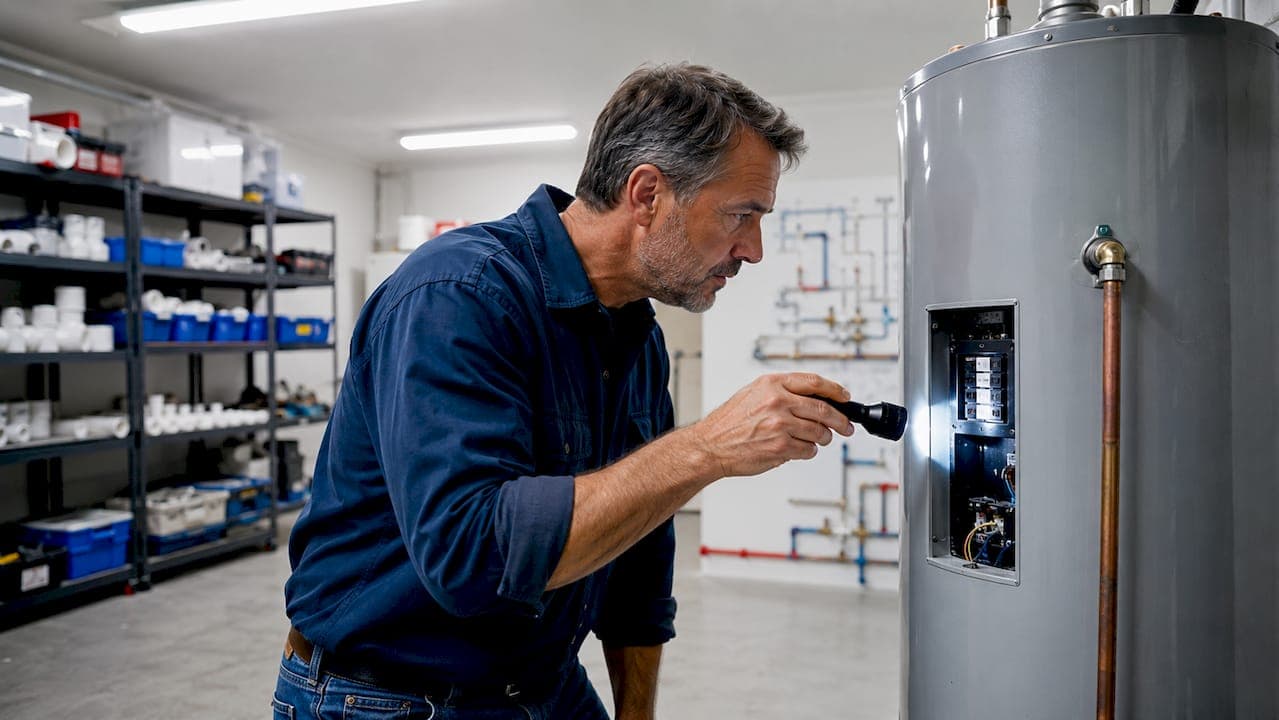
Sudden no hot water is defined as an abrupt stop or severe drop in hot water supply caused by power or fuel interruptions, component failures, or plumbing faults in your home's water heating system. The industry term for this is "water heater failure," though the problem can also originate in your pipes and fixtures rather than the heater itself. Knowing what causes sudden no hot water lets you fix the right thing fast, instead of guessing. This guide covers every major cause, walks you through no hot water troubleshooting, and tells you when to call a professional.
What causes sudden no hot water: power and fuel issues first
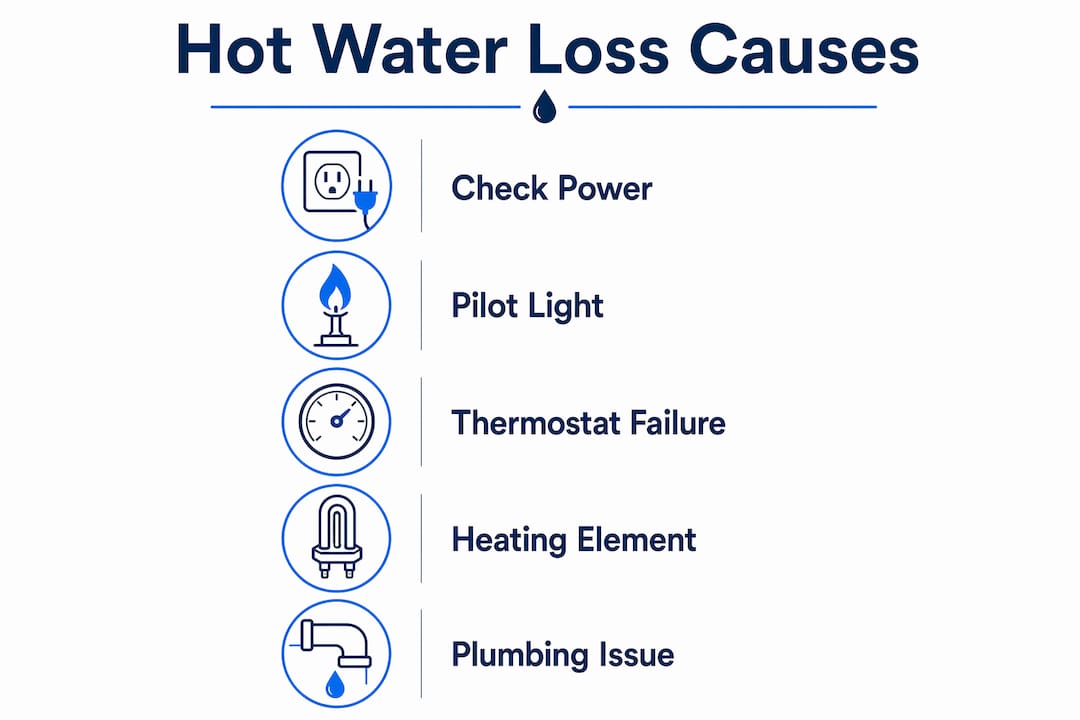
The fastest diagnosis starts with one question: does your whole house have no hot water, or just one fixture? Whole-house hot water loss points directly to a power or fuel problem at the water heater. A single cold faucet points to a plumbing or fixture issue. Start at the source before you touch anything else.
Electric water heaters: check the breaker first
Electric water heaters run on a dedicated circuit breaker, usually rated at 30 amps. When that breaker trips, the heater loses all power and stops heating entirely. Resetting it restores power in most cases, but only if the trip was a one-time event.
Here is the step-by-step check for electric units:
- Go to your electrical panel and find the breaker labeled "water heater."
- If it is in the middle or "off" position, flip it fully off, then back on.
- Wait 30–60 minutes for the tank to reheat before testing a faucet.
- If the breaker trips again immediately, stop resetting it. Repeated breaker trips signal a deeper electrical fault, not a fluke.
Pro Tip: Never reset a breaker more than once without diagnosing why it tripped. A short circuit or failed heating element is the usual cause, and repeated resets can damage wiring or create a fire hazard.
Gas water heaters: pilot light and gas supply
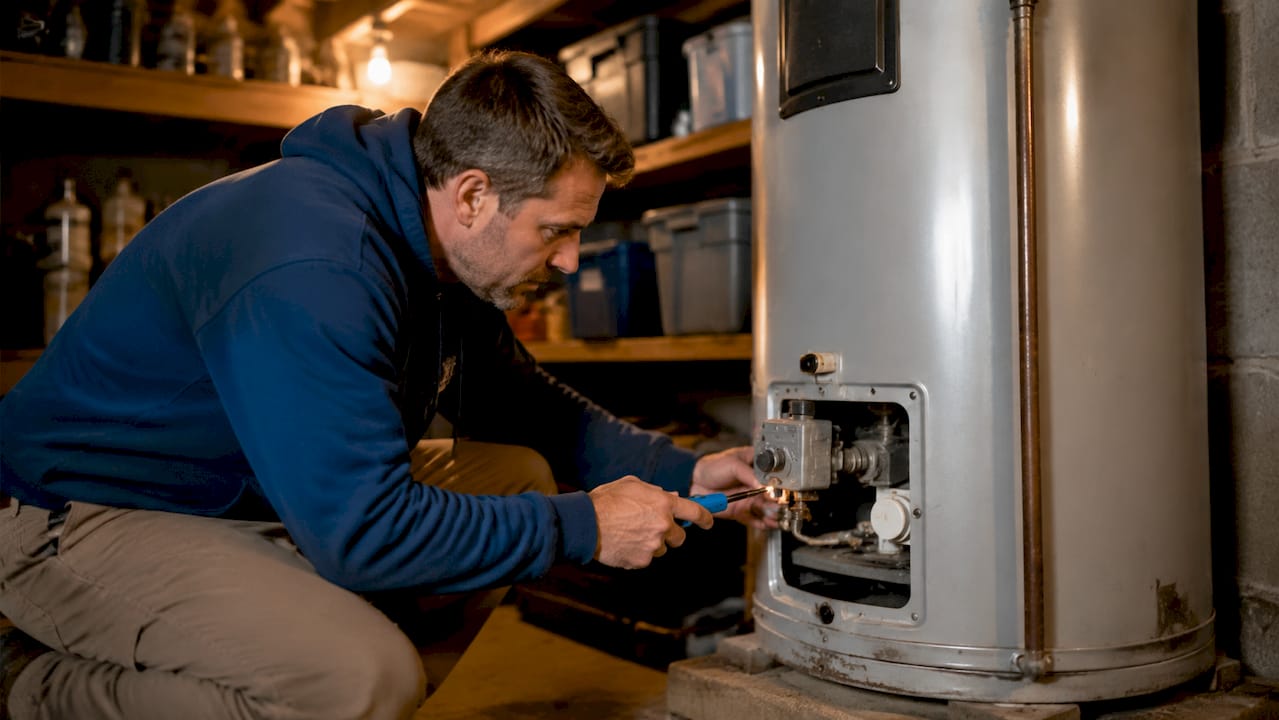
Gas water heaters depend on a lit pilot light to ignite the burner. Pilot light outages are the single most common reason gas units stop producing hot water. If the pilot won't stay lit, the thermocouple is usually the culprit. The thermocouple is a small safety sensor that tells the gas valve the pilot is on. When it fails, the gas valve shuts off automatically to prevent a gas leak.
Check whether other gas appliances in your home are working. If your stove and furnace are also affected, the problem is an upstream gas supply interruption, not the heater itself. Gas pilot failures that affect only the water heater almost always trace back to the thermocouple or the gas control valve on the unit.
Pro Tip: If you smell gas near your water heater, do not attempt to relight the pilot. Leave the house and call your gas utility company immediately.
How do thermostat and heating element failures cause no hot water?
Once you have confirmed power or fuel is reaching the heater, the next layer of no hot water reasons involves internal components. In electric water heaters, three components do the actual heating work: the upper thermostat, the lower thermostat, and two heating elements.
The high-temperature limit switch (ECO)
The ECO switch, also called the high-temperature limit switch or reset button, is a safety device that cuts power to the entire heater if the water temperature climbs too high. A tripped ECO switch is one of the two most common internal causes of sudden hot water loss in electric units. You can manually reset it by pressing a small red button behind the access panel on the heater. If it trips again within a day or two, the thermostat is likely set too high or is malfunctioning.
Upper vs. lower heating element failures
Most electric tank water heaters use two heating elements. The upper element heats the top portion of the tank first. The lower element maintains temperature for the rest. Upper element failure causes complete loss of hot water because the tank never reaches temperature. Lower element failure causes a different symptom: you get hot water briefly, then it runs cold fast. That distinction tells you exactly which element to test.
Here are the key symptoms to watch for:
- No hot water at all: Upper element or thermostat has failed, or the ECO switch has tripped.
- Hot water runs out in minutes: Lower element is failing.
- Water is lukewarm throughout: Both thermostats may be set too low, or sediment is insulating the elements.
- Popping or rumbling sounds from the tank: Sediment buildup is insulating the elements and causing overheating, which can trigger safety cutoffs.
Sediment accumulates at the bottom of the tank over time, especially in areas with hard water like Santa Barbara County. It forces the heater to work harder, reduces efficiency, and eventually causes the ECO switch to trip. Annual tank flushing prevents most sediment-related failures.
Pro Tip: Testing a heating element requires a multimeter set to resistance mode. A working element reads between 10 and 30 ohms. A reading of zero or infinity means the element has failed and needs replacement.
What plumbing issues can cause hot water to stop at one faucet?
Not every sudden cold water issue originates at the water heater. If only one faucet or shower has no hot water, the heater is almost certainly fine. The problem lives in the fixture or the pipes feeding it.
The two most common fixture-level culprits are a faulty mixing valve and a worn shower cartridge. A mixing valve blends hot and cold water to deliver the temperature you set. When it fails, it can lock in the cold position entirely. A shower cartridge controls water flow and temperature inside the valve body. Cartridges wear out over years of use and can stick in a cold-only position.
A cross-connection is a less obvious cause. This happens when cold water pressure bleeds into the hot water line through a faulty fixture, dropping the temperature at that tap even though the heater is working perfectly.
Use this comparison to quickly identify whether your problem is whole-house or localized:
| Symptom | Likely Cause | Where to Start |
|---|---|---|
| No hot water at every faucet | Water heater or fuel/power issue | Check breaker or pilot light |
| No hot water at one faucet | Mixing valve or cartridge failure | Inspect that fixture |
| Hot water drops suddenly mid-shower | Cross-connection or pressure issue | Check other fixtures simultaneously |
| Lukewarm water everywhere | Thermostat set low or sediment buildup | Check heater settings and flush tank |
If the problem is isolated to one fixture, residential plumbing repairs for mixing valves and cartridges are straightforward jobs for a licensed plumber. Attempting to replace a shower cartridge without the right tools often causes more damage than the original fault.
When should you replace instead of repair your water heater?
Older water heaters aged 10–15 years that suddenly stop producing hot water are often at the end of their service life. Repairing a unit that is already corroded or leaking rarely makes financial sense. The repair cost approaches or exceeds the cost of a new unit, and the underlying tank degradation continues regardless.
Watch for these signs that replacement is the better call:
- Rust-colored water from the hot tap, which indicates internal tank corrosion.
- Visible leaks around the base or connections of the tank.
- Repeated breaker trips that return after professional repair of the heating element.
- Pilot light that won't stay lit even after thermocouple replacement.
- Age over 12 years combined with any of the above symptoms.
A new standard tank water heater typically costs $800–$1,500 installed in the Santa Maria area, depending on capacity and fuel type. A tankless unit costs more upfront but lasts 20 or more years with proper maintenance. The water heater replacement checklist from Drainpointplumbing walks Santa Maria homeowners through the decision in detail.
Regular maintenance extends heater lifespan significantly. Flushing the tank once a year, testing the pressure relief valve annually, and inspecting the anode rod every three years are the three tasks that prevent most premature failures. Skipping all three is the most common reason heaters fail before their expected lifespan. You can learn more about unexpected heater failures and how to prevent them on the Drainpointplumbing blog.
Key takeaways
Sudden hot water loss traces to one of three root causes: the heater cannot fire, it fires but cannot maintain temperature, or a fixture is mixing cold water into the hot line.
| Point | Details |
|---|---|
| Start with power or fuel | Check the breaker or pilot light before inspecting any internal components. |
| Whole-house vs. one fixture | No hot water everywhere means a heater issue; one cold faucet means a fixture or valve problem. |
| ECO switch and elements | A tripped ECO switch or failed upper heating element causes complete loss of hot water in electric units. |
| Sediment is a silent cause | Annual tank flushing prevents sediment buildup that triggers safety cutoffs and element failure. |
| Age matters for replacement | Water heaters over 12 years old with recurring faults are better replaced than repaired. |
What i've learned after years of hot water calls
I have seen homeowners spend two hours on the phone with appliance support, convinced their water heater was dead, when the fix was a 10-second breaker reset. I have also seen the opposite: someone reset a breaker four times in a row because they did not want to call a plumber, and they ended up with a burned-out heating element that turned a $15 fix into a $300 repair.
The single biggest mistake I see is skipping the zone check. Before you touch the heater, run hot water at two or three different faucets. That 30-second test tells you whether you are dealing with a heater problem or a fixture problem. Most people skip it and waste an hour diagnosing the wrong thing.
My second observation: gas water heater owners underestimate the thermocouple. It is a $15 part that fails every 5–7 years on average, and it is the reason most pilot lights won't stay lit. If your pilot relights but goes out within 30 seconds, replace the thermocouple before you do anything else. It is the most cost-effective first repair in gas water heater troubleshooting.
Sediment is the slow killer that nobody talks about enough. In areas with hard water, I have pulled tanks apart and found two inches of mineral scale sitting on the bottom. That scale forces the heater to run hotter and longer, which trips the ECO switch and burns out elements years ahead of schedule. One annual flush prevents all of it. If you have never flushed your tank, start this year.
— Kirk
Drainpointplumbing can restore your hot water fast
If you have worked through the checks above and still have no hot water, the fault is likely inside the heater or in the supply lines, and that is where a licensed plumber needs to take over.
Drainpointplumbing serves homeowners and renters across Santa Maria and Santa Barbara County with water heater repair and replacement for both tank and tankless systems. The team is available 24/7 for emergency calls, so a cold shower at 6 a.m. does not have to wait until Monday. If you need a fast diagnosis or a free quote on repairs, request a plumbing quote online and a technician will get back to you the same day. Senior and military discounts are available.
FAQ
What is the most common cause of sudden no hot water?
A tripped circuit breaker in electric water heaters and a blown pilot light in gas units are the two most common causes. Both can be checked and resolved in minutes without tools.
Why is my water cold only in the shower?
A worn shower cartridge or faulty mixing valve is the most likely cause. The water heater is usually working fine when only one fixture runs cold.
How do i fix no hot water in an electric water heater?
Reset the breaker first, then press the red ECO reset button on the heater. If neither restores hot water, a heating element or thermostat has likely failed and needs professional testing.
Can sediment cause sudden hot water loss?
Yes. Heavy sediment buildup insulates heating elements and causes the ECO safety switch to trip, cutting power to the heater entirely. Annual tank flushing prevents this.
When should i call a plumber for no hot water?
Call a plumber if the breaker trips repeatedly, the pilot light won't stay lit after thermocouple replacement, or the tank is leaking or over 12 years old. These faults require professional diagnosis and repair.