
Preventive plumbing contracts are formal service agreements that schedule regular inspections and maintenance to catch problems before they become emergencies. The benefits of preventive plumbing contracts go well beyond simple convenience: they reduce repair costs, extend the life of pipes and water heaters, and give homeowners and property managers a predictable budget instead of a surprise bill. Industry data shows these annual plans typically cost between $179 and $1,500, while a single emergency repair can run up to $50,000. That gap alone makes the case for a maintenance agreement worth examining closely.
1. How preventive plumbing contracts reduce emergency repair costs
Emergency repairs cost 2–3 times more than scheduled maintenance visits. After-hours labor premiums and expedited parts sourcing drive that gap, not the complexity of the repair itself.
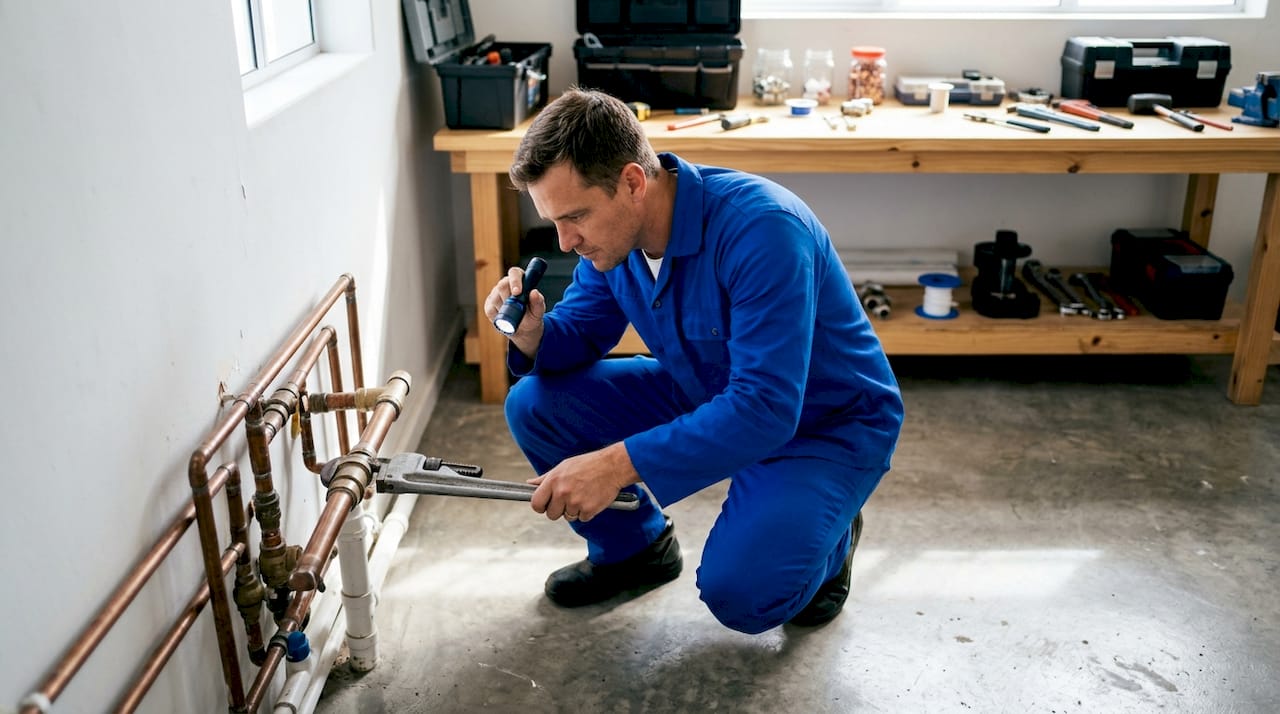
A burst pipe at 11 PM on a Sunday is not just expensive. It is stressful, disruptive, and almost always avoidable. Preventive plumbing services catch the warning signs, such as slow drains, minor leaks, and pressure drops, before they escalate into full failures.
Key cost drivers that contracts help you avoid:
- After-hours labor surcharges on nights, weekends, and holidays
- Expedited parts costs when a repair cannot wait for standard shipping
- Water damage restoration from leaks that go undetected for days
- Mold remediation triggered by hidden moisture behind walls
Pro Tip: Match your contract scope to your home's age. A house built before 2000 likely has galvanized steel or older copper pipes that need more frequent inspection than newer PEX systems.
The average non-emergency plumbing repair costs around $330, but that figure can spike to $950 depending on the job. A maintenance contract keeps most repairs in the lower range by addressing them early.
2. How contracts extend the lifespan of your plumbing system
Regular maintenance extends water heater lifespan by 3–5 years and pipe systems by 5–10 years. Those numbers translate directly into deferred replacement costs, which can run into the thousands.
A standard tank water heater costs $1,000–$2,000 installed. Extending its life by even three years means you defer that expense and get more value from the unit you already own. The same logic applies to your pipe network.
Higher-tier preventive plumbing plans include services that make a measurable difference in system longevity:
- Water heater descaling to remove mineral buildup that reduces efficiency and accelerates corrosion
- Sewer camera inspections to identify root intrusion or joint failures before a collapse
- Hydro jetting to clear buildup that strains pipe walls over time
- Pressure testing to catch stress points before they crack
Tiered contract plans, often labeled Bronze, Silver, and Gold, offer variable inclusions at different price points. Higher tiers bundle services like camera inspections and descaling that would cost hundreds if purchased separately.
Pro Tip: If your home has a tankless water heater, confirm that your contract includes annual descaling. Hard water areas like much of Santa Barbara County accelerate mineral buildup, and skipping this service shortens the unit's life significantly.
Understanding how plumbing maintenance works at the system level helps you choose the right tier and avoid paying for services your home does not need.
3. Priority scheduling when you need it most
Contract members receive priority phone access and faster response during widespread plumbing emergencies. That benefit becomes critical when a neighborhood-wide water main break or a winter freeze sends every homeowner scrambling for the same contractors.
Without a contract, you join a queue of strangers. With one, you move to the front. That difference can mean hours versus days before a technician arrives at your door.
"Knowing that a trusted plumber is already familiar with your home's system, and will pick up your call first, removes one of the most stressful parts of any plumbing emergency."
The operational advantage extends beyond emergencies. Scheduled visits happen at times that work for you, not at whatever slot remains after walk-in calls are booked. Property managers with multiple units find this especially valuable, since coordinating repairs across several properties without a service relationship creates constant scheduling friction.
4. Financial predictability and repair discounts
Preventive plumbing plans offer 10%–15% discounts on labor and materials for any repairs performed during the contract period. For homeowners who call for service more than once or twice a year, that discount alone can offset the annual plan fee.
The bigger financial benefit is predictability. A fixed annual fee replaces the uncertainty of variable emergency costs. You can budget for plumbing the same way you budget for insurance, with a known number rather than a potential shock.
| Scenario | Estimated Annual Cost |
|---|---|
| No contract, one minor repair | $330–$500 |
| No contract, one emergency repair | $950–$3,000+ |
| No contract, major emergency (e.g., burst pipe) | $5,000–$50,000 |
| Preventive contract (entry-level plan) | $179–$500 |
| Preventive contract (mid-tier plan) | $500–$1,500 |
The table makes the math clear. A single emergency repair at the mid-range wipes out years of contract fees. Viewing a maintenance plan as an investment, not an expense reflects how the numbers actually work over a three-to-five-year horizon.
For property managers, the financial case is even stronger. Multiple units mean multiple potential failure points. A contract that covers all units at a negotiated rate reduces both repair costs and the administrative burden of sourcing contractors unit by unit.
5. Peace of mind from consistent professional oversight
Knowing your plumbing system is professionally monitored on a regular schedule is a genuine psychological benefit, not a marketing phrase. Most plumbing failures happen in areas you cannot see: inside walls, under slabs, and behind appliances.
A technician who visits twice a year catches what you cannot. They check water pressure, inspect supply lines, test shutoff valves, and look for early corrosion. That consistent oversight replaces anxiety with confidence.
Service contracts also build trusted ongoing relationships that eliminate the need to vet unknown contractors during a crisis. When a pipe fails at midnight, you call one number. The person who answers already knows your home's layout, your water heater model, and your service history. That familiarity speeds up every repair.
6. When preventive plumbing contracts make the most sense
Homes older than 10 years are prime candidates for preventive maintenance contracts. Aging infrastructure carries a higher probability of failure, and the cost of catching one problem early typically exceeds the annual contract fee.
Situations where a contract delivers the clearest value:
- Older homes with galvanized steel pipes, aging water heaters, or original sewer lines
- Property managers overseeing multiple rental units who need consistent, scheduled service
- Homeowners without plumbing knowledge who cannot identify early warning signs on their own
- Households with high water usage, such as large families or homes with irrigation systems
- Homes in hard water areas where mineral buildup accelerates wear on heaters and fixtures
DIY maintenance, such as checking for visible leaks and cleaning aerators, has real value. But it does not replace a professional inspection of supply lines, pressure regulators, and sewer connections. Those components require tools and training that most homeowners do not have.
Pro Tip: When selecting a contract tier, list every service your home received as a repair in the past three years. If camera inspections or water heater flushes appear on that list, choose a tier that includes them. You will pay less per service than you would booking each one separately.
Setting up a reliable plumbing service contract requires matching the plan's inclusions to your property's specific risk profile, not just picking the cheapest option available.
7. How contracts protect and preserve home value
Plumbing condition directly affects property value. A home with documented maintenance records and no deferred repairs commands a stronger position in any sale or appraisal. Buyers and inspectors notice the difference between a system that has been serviced regularly and one that has not.
Plumbing upgrades and maintenance affect property value in measurable ways, particularly for older homes where buyers factor in the cost of future repairs. A preventive contract creates a paper trail that demonstrates responsible ownership.
Water damage is one of the most expensive and value-destroying events a home can experience. Catching a slow leak under a sink before it saturates the subfloor prevents not just a repair bill but potential mold remediation and structural damage. The contract pays for itself in what it prevents, not just what it fixes.
Key takeaways
Preventive plumbing contracts deliver the strongest return when matched to your home's age, infrastructure type, and repair history, making them a financial safeguard rather than an optional add-on.
| Point | Details |
|---|---|
| Emergency cost gap | Emergency repairs cost 2–3 times more than scheduled visits, making contracts a direct cost shield. |
| System lifespan gains | Regular maintenance adds 3–5 years to water heaters and 5–10 years to pipe systems. |
| Discount on repairs | Contract holders receive 10%–15% off labor and materials for any repairs during the plan period. |
| Priority access | Contract members move to the front of the service queue during neighborhood-wide plumbing crises. |
| Best fit: older homes | Homes over 10 years old carry the highest failure risk and benefit most from scheduled oversight. |
Why I think most homeowners underestimate these contracts
Most homeowners treat plumbing as a reactive system. Something breaks, you call someone. That mindset works until it doesn't, and when it doesn't, the bill is almost always shocking.
What I've seen over years of working in this field is that the homeowners who feel the most financial pain from plumbing are not the ones with the oldest homes. They're the ones who waited. A $200 annual plan that catches a failing pressure regulator before it stresses every pipe in the house is not a luxury. It's the cheapest insurance you can buy for a system that runs 24 hours a day.
The misconception I hear most often is that contracts are for people who don't know how to maintain things themselves. That's backwards. The most maintenance-aware homeowners I know are the ones who understand what they can't see. They know that a camera inspection of a sewer line reveals things no amount of DIY vigilance can catch.
The other overlooked benefit is stress reduction. Knowing you have a trusted technician on call, one who already knows your home, changes how you experience a plumbing problem. It goes from a crisis to a phone call. That shift in experience has real value, even if it doesn't show up on a spreadsheet.
My recommendation: evaluate contracts based on three criteria. First, does the plan include the services your home actually needs? Second, does the provider offer priority scheduling in writing? Third, is the annual fee less than one emergency repair would cost you? If yes to all three, the contract is worth it.
— Kirk
Drainpointplumbing's preventive maintenance services in Santa Maria
Drainpointplumbing has served residential and commercial clients across Santa Barbara County for over 15 years. The team offers residential plumbing repairs and maintenance that cover everything from routine inspections to full repiping, with 24/7 emergency availability for contract holders.
Drainpointplumbing's services include water heater repair and replacement, sewer camera inspections, hydro jetting, and water filtration installation. Seniors and military personnel receive dedicated discounts. If you want a clear picture of what a preventive plan would cover for your property, request a free quote and get a scope tailored to your home's age and system type.
FAQ
What do preventive plumbing contracts typically cost?
Annual preventive plumbing plans range from roughly $179 to $1,500 depending on the tier and included services. Entry-level plans cover basic inspections, while higher tiers add sewer camera inspections and water heater descaling.
Are preventive contracts worth it for newer homes?
Newer homes benefit less than older ones, but still gain value from priority scheduling and documented maintenance records. Homes older than 10 years carry the highest risk of infrastructure failure and see the strongest return on a maintenance contract.
What discounts do contract holders typically receive on repairs?
Contract holders generally receive 10%–15% off labor and materials for any repairs performed during the plan period. That discount applies to the average $330 repair cost and becomes more significant as repair frequency increases.
How does priority scheduling work during a plumbing emergency?
Contract members receive priority phone access and faster technician dispatch during high-demand periods. When a neighborhood-wide crisis hits, contract holders move ahead of non-contract callers in the service queue.
Can a preventive contract help protect my home's resale value?
Documented maintenance records signal responsible ownership to buyers and inspectors. Regular plumbing service also prevents water damage and mold, two of the most value-damaging conditions a home can develop before a sale.