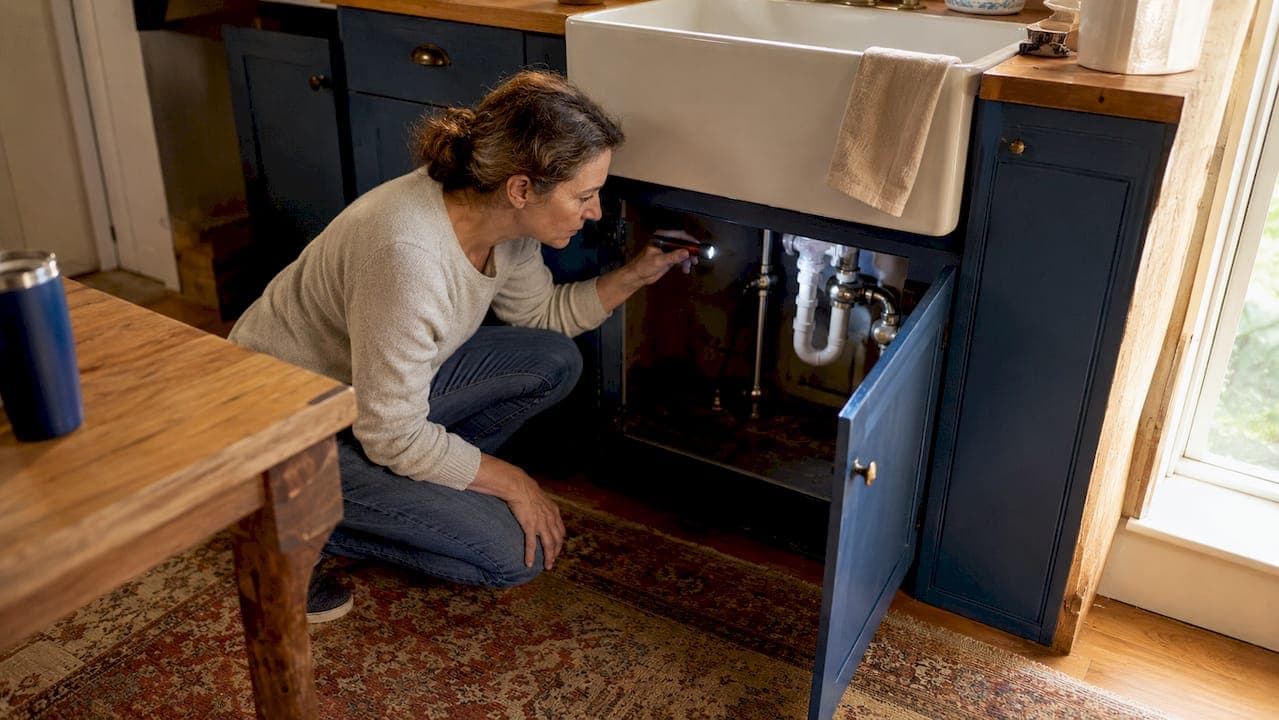
Plumbing preventive maintenance is defined as a scheduled program of inspections, cleaning, and component replacement designed to catch failures before they happen. Understanding how plumbing preventive maintenance works gives homeowners and property managers a clear path to avoiding burst pipes, sewage backups, and the kind of emergency repair bills that can run into thousands of dollars. The core methods include leak detection, water pressure testing, drain inspection, and proactive part replacement. Done consistently, this approach extends system life, cuts water waste, and keeps small problems from becoming expensive ones.
What does a plumbing maintenance checklist include?
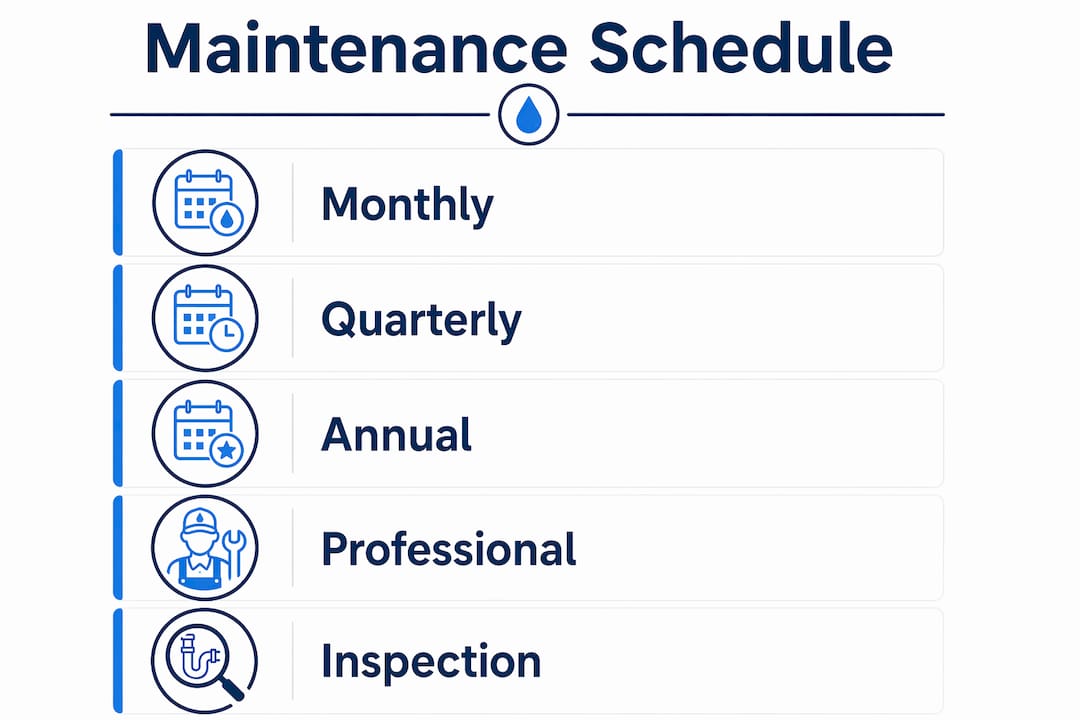
A complete maintenance checklist divides tasks by frequency: monthly, quarterly, and annual. Each tier catches a different category of problem.
Monthly visual checks are the first line of defense. Walk through your home and look under sinks, around toilet bases, and along exposed pipes for moisture, staining, or soft drywall. Check every faucet and showerhead for drips. A single dripping faucet wastes more water than most homeowners realize, and the fix is usually a $5 washer.
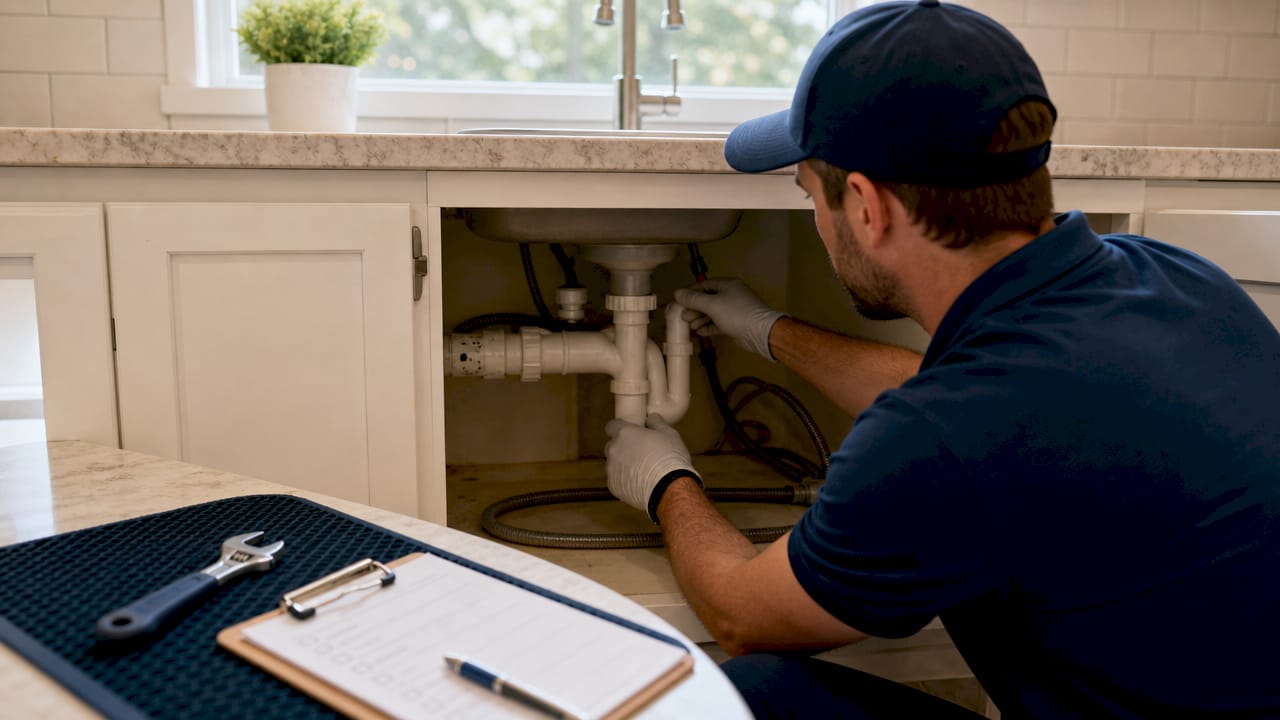
Quarterly tasks go deeper. Flush your tank-style water heater to remove sediment. Annual flushing is the standard, but homes with hard water benefit from doing it every three months. Clear slow drains before they become blocked ones. Inspect the rubber supply hoses behind your washing machine and under your sink. Rubber hoses should be replaced every 3–5 years. A failed washing machine hose is one of the most common causes of serious home flooding.
Annual professional assessments cover what you cannot see. A licensed plumber will run a sewer line camera inspection, test water pressure throughout the system, check backflow prevention devices, and inspect the water heater for corrosion or sediment damage. Industry experts recommend at least one comprehensive professional inspection per year that includes leak detection, camera inspection, and pressure assessment.
Pro Tip: Run a silent toilet leak test every quarter. Drop a few drops of food coloring into the tank and wait 15 minutes without flushing. If color appears in the bowl, your flapper or fill valve is leaking and wasting water silently.
- Inspect pipes, faucets, and toilet bases for moisture (monthly)
- Flush the water heater and clear slow drains (quarterly)
- Replace rubber supply hoses every 3–5 years
- Schedule a professional inspection including camera and pressure tests (annually)
- Test toilets for silent leaks using the food coloring method (quarterly)
How do specific practices protect your plumbing system?
The daily habits you build around your drains and fixtures have a direct impact on pipe longevity. Three practices stand out as the most protective.
Grease disposal is the most misunderstood. Grease, fats, and oils poured down a drain cool inside the pipe, solidify, and accumulate into blockages that eventually require professional hydro jetting to clear. The fix is simple: let grease cool in a container and throw it in the trash.
Drain cleaner choice matters more than most homeowners know. Liquid chemical drain cleaners use caustic or oxidizing agents that dissolve clogs but also corrode pipe walls over time. Enzymatic drain cleaners work more slowly but protect pipe integrity. They use bacteria and enzymes to break down organic matter without attacking the pipe itself. For routine maintenance, enzymatic products are the right choice.
Water pressure monitoring protects every seal, joint, and valve in your system. The correct range is 40–60 PSI. Pressure above 80 PSI damages seals and joints and shortens the life of appliances like dishwashers and washing machines. A pressure gauge costs under $15 at any hardware store. If your readings run high, a plumber can install a pressure-reducing valve (PRV) to bring the system into a safe range.
- Never pour grease, fats, or cooking oils down any drain
- Replace chemical drain cleaners with enzymatic alternatives for routine use
- Test water pressure at the hose bib and keep readings between 40–60 PSI
- Know where your main water shut-off valve is located before you need it
Pro Tip: Measure water pressure at two different times: once during peak morning usage and once late at night. Pressure spikes during low-use periods can reveal a faulty PRV that would otherwise go undetected.
How often should you schedule professional plumbing inspections?
Early detection of plumbing issues depends on consistent homeowner observation combined with professional inspections that reach areas no visual check can cover. The right inspection schedule depends on your home's age, location, and usage.
Most homes need one professional inspection per year. Older homes, large families, and properties with mature trees nearby need more. Homes with trees close to sewer lines should have sewer camera inspections every 3–5 years because root intrusion is a leading cause of expensive sewer repairs. Root systems follow moisture, and your sewer line is a reliable source.
| Home type | Recommended inspection frequency | Key focus areas |
|---|---|---|
| Standard residential home | Once per year | Leak detection, pressure test, water heater |
| Older home (pre-1980 pipes) | Twice per year | Pipe corrosion, joint integrity, pressure |
| Home with mature trees nearby | Every 1–2 years plus sewer camera every 3–5 years | Root intrusion, sewer line condition |
| Large family or high water use | Twice per year | Water heater sediment, drain capacity, pressure |
| Rental or investment property | Twice per year | All systems, backflow prevention, hose condition |
A professional inspection covers backflow prevention device testing, water heater flushing, pressure assessment at multiple points, and a full visual check of accessible pipes. When a plumber finds signs of active leaks, pipe corrosion, or sewer damage, that visit transitions from preventive maintenance into repair territory. Knowing the warning signs of a plumbing emergency helps you decide when to call before a situation gets worse.
Pro Tip: Ask your plumber to document findings with photos during each annual inspection. A photo record from year to year makes it easy to track slow-developing issues like pipe corrosion or joint wear before they become failures.
What daily and seasonal habits prevent plumbing problems?
Consistent observation and timely action prevent the majority of costly plumbing emergencies. Building a few simple habits into your routine is the most practical form of plumbing system care.
Daily and weekly habits cost nothing but attention. Monitor your water bill month over month. A sudden spike with no change in usage is a strong signal of a hidden leak. Listen for gurgling sounds from drains after water runs, which can indicate a partial blockage or venting problem. Check faucet aerators every few months. Mineral deposits clog aerators and reduce flow, which some homeowners mistake for a pressure problem.
Seasonal maintenance protects against temperature-related damage. In winter, insulate exposed pipes in unheated spaces like garages, crawl spaces, and exterior walls. When temperatures drop below freezing, let faucets on exterior walls drip slowly overnight. A trickle of moving water resists freezing far better than standing water in a cold pipe. In spring, check outdoor hose bibs for damage from winter freeze cycles before connecting hoses.
- Monitor your water bill monthly for unexplained increases
- Listen for gurgling or bubbling sounds after drains clear
- Insulate pipes in unheated spaces before winter
- Let faucets drip on freezing nights to prevent burst pipes
- Clean faucet aerators every 3–4 months to maintain flow
- Log any plumbing issues, repairs, or observations in a simple notebook or app
Logging plumbing events over time gives you and your plumber a clearer picture of recurring problems. If the same drain backs up every six months, that pattern points to a structural issue rather than a surface clog. Proactive water heater monitoring is part of this habit. Most tank water heaters last 8–12 years. Replacing one before it fails avoids the water damage that comes with a sudden tank rupture.
Key Takeaways
Plumbing preventive maintenance works by combining monthly visual checks, quarterly service tasks, and annual professional inspections to catch failures early and extend system life.
| Point | Details |
|---|---|
| Follow a tiered checklist | Monthly, quarterly, and annual tasks each catch different problems before they escalate. |
| Protect drains from grease and chemicals | Dispose of grease in the trash and use enzymatic cleaners to preserve pipe integrity. |
| Keep pressure between 40–60 PSI | Pressure above 80 PSI damages seals and joints; install a PRV if readings run high. |
| Schedule annual professional inspections | Professionals catch root intrusion, hidden leaks, and sediment buildup that visual checks miss. |
| Build seasonal and daily habits | Monitor water bills, insulate pipes before winter, and log issues to spot recurring patterns. |
What 15 years of plumbing work taught me about homeowner mistakes
Most homeowners treat plumbing the way they treat their car's transmission: they ignore it until something goes wrong. That approach works until it doesn't, and when it fails, it fails expensively.
The single most common mistake I see is relying on chemical drain cleaners as a maintenance tool. Homeowners pour them down slow drains every few weeks thinking they are being proactive. What they are actually doing is slowly corroding their pipes while masking a blockage that is getting worse. A slow drain is a signal. Treat it as one.
The second mistake is skipping the annual inspection because nothing seems broken. Plumbing fails quietly. A pinhole leak inside a wall can run for months before you see a stain. A sewer line with early root intrusion shows no symptoms until the line is partially blocked. The inspection is not about fixing what you can see. It is about finding what you cannot.
The third mistake is underestimating water pressure. Homeowners check for leaks and listen for sounds, but almost nobody tests their water pressure. High pressure is the silent killer of plumbing systems. It wears out faucet cartridges, stresses pipe joints, and shortens appliance life. A $12 gauge and five minutes of your time can tell you whether your system is running safely.
The most effective maintenance is a combination of regular professional inspections and consistent homeowner checks. Neither alone is enough. You live in the house. You notice the sounds, the slow drains, the water bill. A plumber has the tools to confirm what those signs mean. That partnership is what keeps a plumbing system running for decades instead of failing in year ten.
— Kirk
Professional preventive plumbing services in Santa Maria, CA
Drainpointplumbing has served homeowners and property managers across Santa Barbara County for over 15 years. The team handles everything from annual inspections and water heater flushing to sewer camera inspections and full residential plumbing repairs for homes of every age and size.
Scheduling a professional inspection once a year is the single highest-return maintenance decision you can make for your home. Drainpointplumbing offers free quotes, 24/7 emergency response, and discounts for seniors and military personnel. If you want a licensed plumber to assess your system, check for hidden leaks, and give you a clear picture of what needs attention, request a free quote and get your inspection scheduled today.
FAQ
What is plumbing preventive maintenance?
Plumbing preventive maintenance is a scheduled program of inspections, cleaning, and part replacement designed to identify and fix minor issues before they cause failures. It includes monthly visual checks, quarterly drain and water heater service, and annual professional inspections.
How often should a homeowner inspect their plumbing?
Visual checks should happen monthly, with quarterly service tasks and at least one annual professional inspection covering leak detection, pressure testing, and sewer camera review.
What water pressure is safe for home plumbing?
Safe water pressure falls between 40–60 PSI. Pressure above 80 PSI damages pipe joints and seals, and a pressure-reducing valve should be installed to bring it into a safe range.
How do I test for a silent toilet leak?
Drop a few drops of food coloring into the toilet tank and wait 15 minutes without flushing. If color appears in the bowl, the flapper or fill valve is leaking and needs replacement.
When should rubber supply hoses be replaced?
Rubber hoses should be replaced every 3–5 years regardless of visible condition. Aged rubber hoses are a leading cause of washing machine and under-sink flooding, and replacement is far cheaper than water damage restoration.