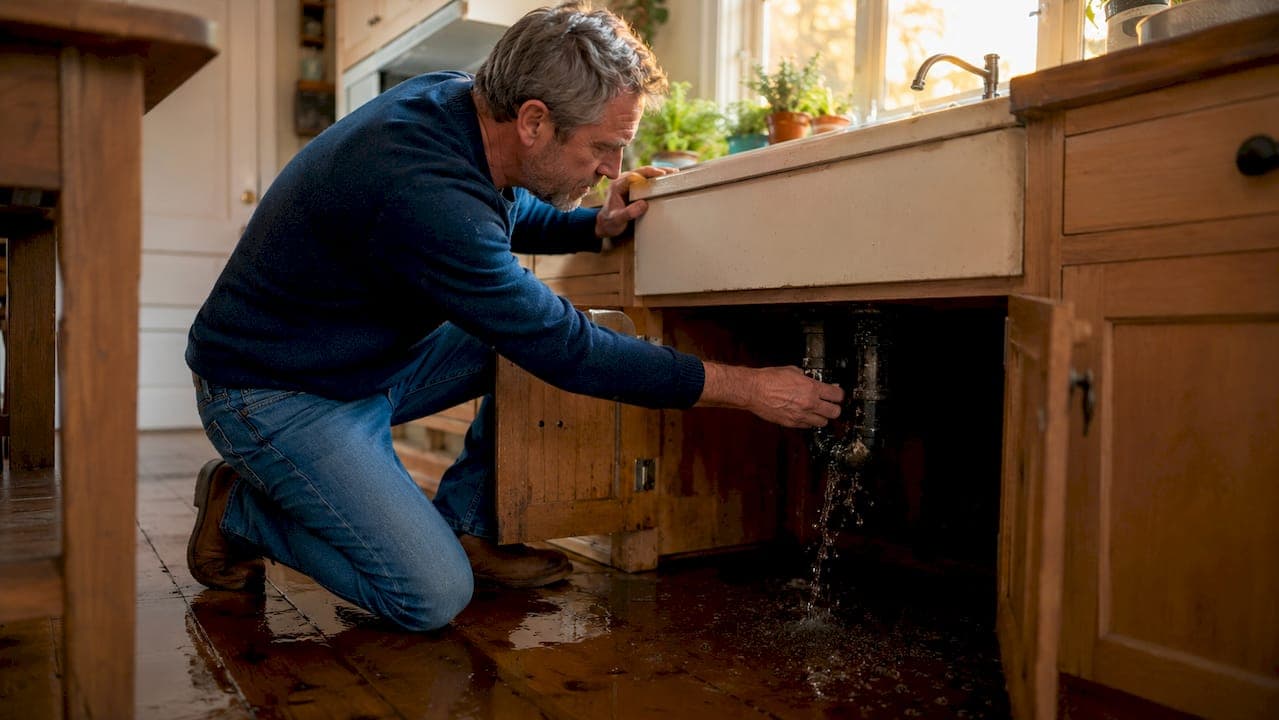
A plumbing emergency is defined as any active leak, sewage backup, gas odor, or sudden loss of water service that poses an immediate risk to your property or health. Knowing how to identify emergency plumbing situation signs before they escalate is the difference between a quick fix and a five-figure repair bill. Active flooding, sewage backups, and loss of water supply all require urgent containment. This guide covers the most critical warning signs of plumbing problems, how to detect hidden issues, and exactly what to do the moment you spot them.
What are the top emergency plumbing signs to recognize?
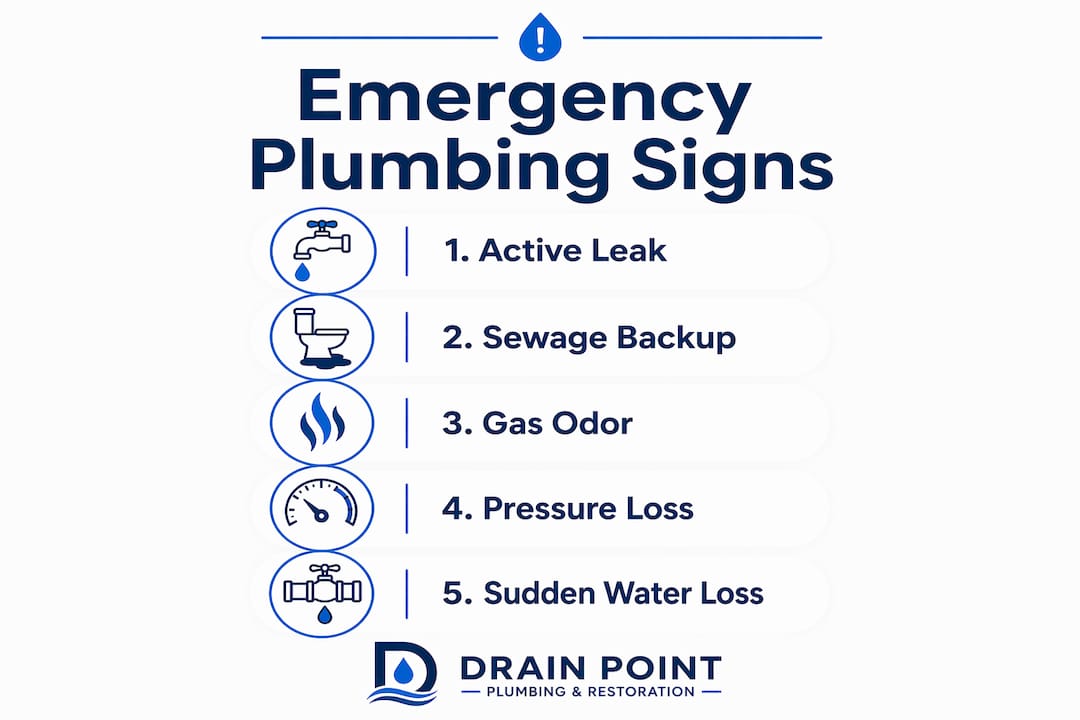
Plumbing emergency signs fall into five clear categories: uncontrolled water flow, sewage backup, gas odors, pressure loss, and drainage failure. Recognizing these categories gives you a mental checklist you can run through in seconds.
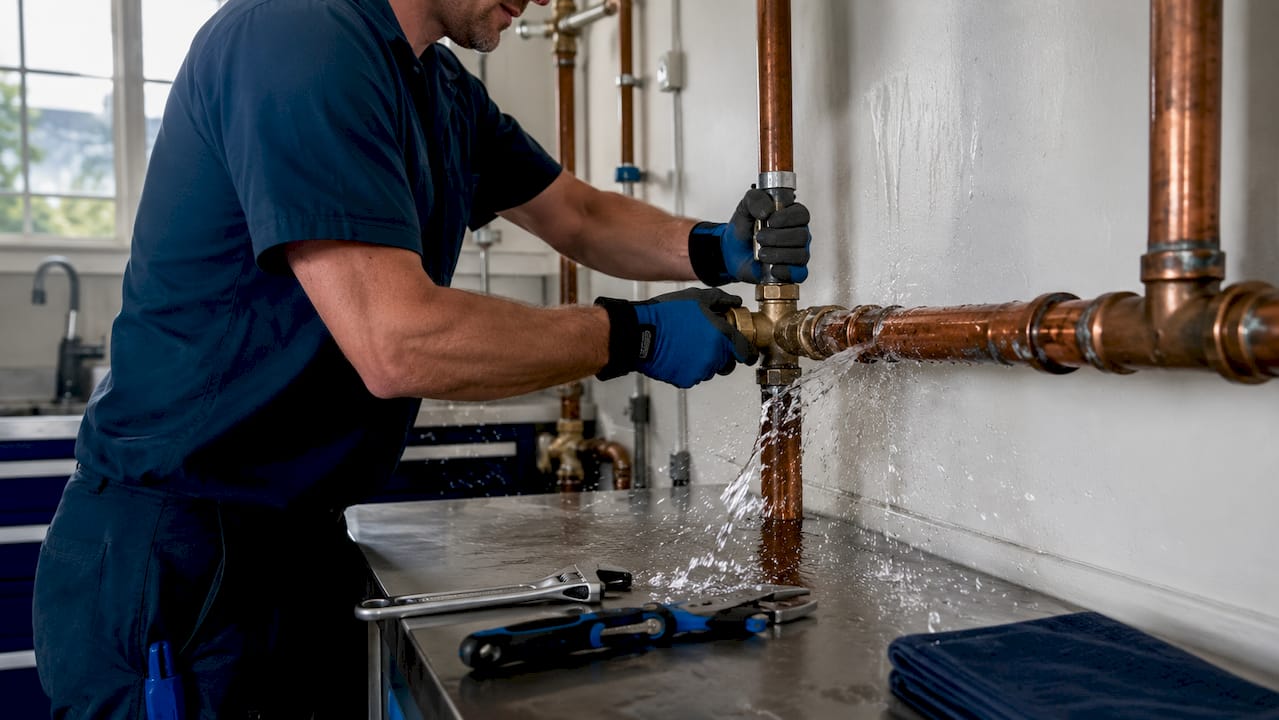
Burst or actively spraying pipes are the most obvious plumbing emergency signs. Water spraying from a pipe joint or wall is never a wait-and-see situation. The pressure behind a residential supply line can push dozens of gallons per minute into your home.
Sewage backup with visible waste or strong odor signals a blocked or collapsed sewer line. Sewage backup with strong odors and multiple fixtures backing up creates a contamination risk that goes beyond property damage. Raw sewage carries bacteria and pathogens that make a space unsafe to occupy.
Gas leak indicators are the most dangerous signs on this list. A rotten egg smell combined with hissing noises near appliances or gas lines means you need to evacuate immediately and call your gas company from outside. Pilot lights that fail to stay lit are a secondary indicator worth taking seriously.
Sudden pressure loss across multiple fixtures is a red flag. Low pressure in a single fixture is usually a minor aerator or valve issue. When multiple faucets and showers lose pressure at the same time, the problem is likely in your main supply line.
An overflowing toilet that will not stop after one flush cycle is a drainage emergency, especially if other drains in the house are slow or backing up at the same time.
- Uncontrolled water flow from pipes or fixtures
- Sewage visible in tubs, sinks, or floor drains
- Rotten egg smell or hissing near gas lines
- Pressure loss across two or more fixtures simultaneously
- Toilet overflow combined with slow drains elsewhere
Pro Tip: Keep a photo of your main water shutoff valve location on your phone. When water is spraying, you will not have time to search for it.
How do you detect hidden plumbing emergencies?
Quiet, hidden leaks are more damaging long-term than noisy plumbing problems because they cause structural rot and mold before anyone notices. The signs are subtle, but they follow a consistent pattern.
Water stains and bulging surfaces
Brown or yellow stains on ceilings and walls are the most common visual clue. A bulging or sagging ceiling means water has been pooling above the drywall long enough to saturate it. That is not a cosmetic problem. That is structural damage in progress.
Musty odors near drains or walls
Persistent musty odors and peeling paint near baseboards or under sinks point to moisture trapped behind finished surfaces. Mold begins growing within 24–48 hours of water exposure. By the time you smell it, the colony is already established.
Unexplained spikes in your water bill
A sudden jump in your monthly water bill with no change in usage is one of the clearest ways to detect plumbing emergencies that are not yet visible. The EPA estimates 1 trillion gallons of water are wasted annually in the U.S. from undetected leaks. That number reflects how common hidden leaks are and how long they go unnoticed in the average home.
Unusual sounds inside walls and floors
Banging, hissing, or gurgling sounds inside walls are audible clues worth tracking. Dripping or gurgling sounds help pinpoint leaks behind finished surfaces before they become visible. A hissing sound near a water heater or supply line often means a pressurized leak is already underway.
- Brown stains or bubbling paint on ceilings and walls
- Musty smell near floor drains, under sinks, or along baseboards
- Water bill increase of 20% or more with no usage change
- Banging or gurgling sounds when no fixtures are running
- Soft or warped flooring near bathrooms or kitchens
Pro Tip: Read your water meter before bed and again first thing in the morning without using any water overnight. If the reading changes, you have a leak somewhere in the system.
What should you do immediately after spotting emergency signs?
Speed and sequence matter when you identify plumbing leaks or other emergency symptoms. The wrong first move can make the situation significantly worse.
-
Shut off the main water supply valve. This is always your first step for any active water leak. The main shutoff is typically located near the water meter, in a utility room, or along the front foundation wall. Testing main shutoff valves every 6–12 months keeps them operational when you need them most. A valve that has not been turned in years can seize completely.
-
Evacuate immediately for any gas smell. Do not flip light switches, use your phone inside, or try to locate the source. Get everyone out of the building, leave the door open as you exit, and call your gas utility from the street or a neighbor's property.
-
Stop all water use if multiple drains are backing up. Using other fixtures during a main sewer blockage pushes more water toward the obstruction and increases the risk of sewage flooding into your living space. Every flush and every faucet makes it worse.
-
Do not attempt DIY repairs on pressurized pipes. Temporary fixes on pressurized pipes fail under pressure and can cause larger floods before a plumber arrives. Pipe repair clamps and plumber's tape are not rated for full supply line pressure.
-
Document the damage before calling. Take photos and video of the affected area. Note when you first noticed the sign, what fixtures are involved, and whether the issue is getting worse. This information helps emergency plumbers arrive prepared with the right equipment.
-
Call a licensed emergency plumber with specific details. Tell them whether water is still flowing, whether sewage is visible, and whether you have already shut off the main supply. Specific information speeds up dispatch and preparation.
Minor plumbing problem vs. emergency: how do you tell the difference?
Not every plumbing issue is a crisis. Knowing the difference prevents unnecessary panic and helps you prioritize correctly.
| Situation | Minor Problem | Plumbing Emergency |
|---|---|---|
| Drain speed | One slow drain | Multiple drains backing up simultaneously |
| Water pressure | Low pressure at one faucet | Pressure loss across all fixtures |
| Toilet | Runs after flushing | Overflows and will not stop |
| Odor | Occasional drain smell | Persistent sewage smell throughout home |
| Water bill | Slight monthly variation | Sudden spike with no usage change |
| Ceiling/walls | Old, dry stain | Fresh, wet, or bulging stain |
Homeowners often confuse slow drains as emergencies. A single slow drain is almost always a localized clog you can address with a drain snake or a scheduled service call. The situation becomes an emergency when two or more drains back up at the same time, when sewage becomes visible, or when water appears near electrical panels or structural elements.
Delaying a call on a real emergency carries serious financial consequences. Water damage that reaches subfloor framing, drywall, and insulation can cost far more to remediate than the original plumbing repair. Mold remediation alone adds thousands of dollars to a repair bill that could have been avoided with a same-day call.
The practical rule is straightforward. One fixture with a problem is a plumbing issue. Two or more fixtures with the same problem at the same time is a plumbing emergency checklist item that needs a licensed plumber today, not next week.
Key takeaways
Recognizing plumbing emergency signs early and acting on them immediately is the single most effective way to prevent serious structural damage and health hazards in your home.
| Point | Details |
|---|---|
| Know the five emergency categories | Active leaks, sewage backup, gas odors, pressure loss, and drainage failure all require immediate action. |
| Hidden signs are the most dangerous | Water stains, musty odors, and rising water bills indicate concealed leaks that cause mold and structural damage. |
| Shut off water first | Locating and operating your main shutoff valve is the first and most important emergency response step. |
| Never DIY pressurized pipe repairs | Temporary patches fail under pressure and can worsen flooding before a plumber arrives. |
| One fixture vs. multiple fixtures | A single slow drain is minor; two or more fixtures failing simultaneously signals a main line emergency. |
What 15 years in plumbing taught me about emergency signs
The homeowners who call us after the least damage share one habit: they acted on a small, nagging sign before it became obvious. The ones with the worst outcomes almost always say the same thing. "I noticed it a few weeks ago but thought it would go away."
The most underestimated sign I see regularly is the water bill spike. People assume it is a billing error or a rate increase. They call their utility company, get nowhere, and wait another month. By then, a slow leak behind a wall has soaked the framing. I have walked into homes where a $200 leak detection call turned into a $15,000 mold remediation project because the homeowner waited three billing cycles to investigate.
The other thing I want property managers and renters to understand is that you are not off the hook just because you do not own the building. If you smell sewage or see a ceiling stain, you have a responsibility to report it immediately. Delayed reporting in a rental unit can mean the difference between a drain cleaning and a full sewer line replacement.
Test your main shutoff valve today. Turn it off, confirm the water stops, then turn it back on. That 60-second test has saved more than a few of our customers from complete flooding because they knew exactly where to go and the valve actually worked. A seized shutoff valve during an active burst pipe is one of the worst situations I have seen in this business.
Act on the first sign. Not the second. Not when it gets worse. The first time.
— Kirk
Drainpointplumbing is ready when you spot the signs
When you recognize a plumbing emergency, the next call you make matters. Drainpointplumbing provides 24/7 emergency plumbing services to homeowners, renters, and property managers across Santa Maria and Santa Barbara County. With over 15 years of experience, the team arrives prepared for active leaks, sewer backups, and hidden leak detection.
Whether you need immediate containment or a full inspection to track down a hidden leak, Drainpointplumbing handles residential plumbing repairs and sewer line diagnostics using camera inspection technology. Senior and military discounts are available. Request a free quote and get a licensed plumber on the line before a small sign becomes a major loss.
FAQ
What counts as a plumbing emergency?
A plumbing emergency includes any active flooding, sewage backup, gas leak, or complete loss of water service that poses an immediate risk to your property or health. Water near electrical panels and sagging ceilings are also critical emergency indicators.
How do i know if i have a hidden water leak?
Check for brown ceiling stains, musty odors near walls or drains, soft flooring near bathrooms, and unexplained increases in your monthly water bill. The EPA estimates 1 trillion gallons are lost annually in the U.S. from undetected leaks, making early detection critical.
Should i call a plumber for a single slow drain?
A single slow drain is typically a minor clog and not a plumbing emergency. Call an emergency plumber immediately if two or more drains back up at the same time or if sewage becomes visible in any fixture.
What should i do first when a pipe bursts?
Shut off the main water supply valve immediately. Do not attempt to patch a pressurized pipe. Temporary repairs fail under pressure and can cause larger floods before a licensed plumber arrives.
How often should i test my main water shutoff valve?
Test your main shutoff valve every 6–12 months to confirm it turns and fully stops water flow. Valves that go untested for years can seize, leaving you unable to stop water during an active leak.