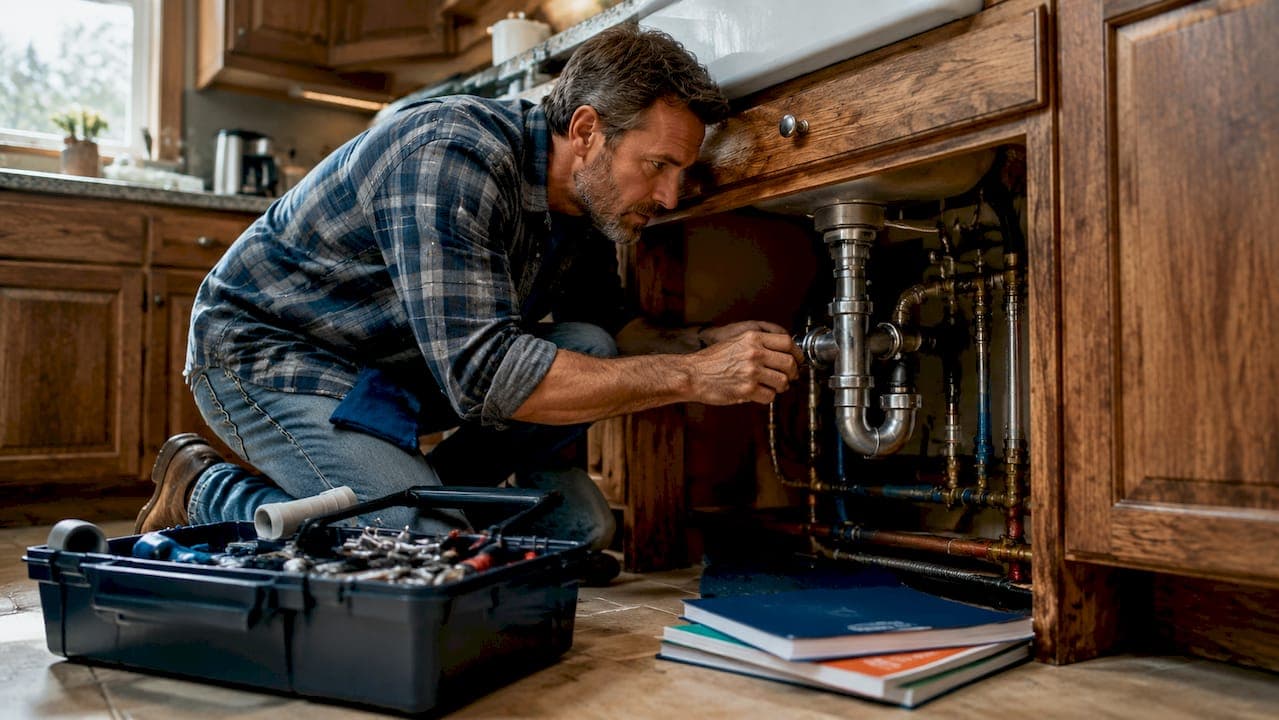
Plumbing upgrades directly increase property value by improving system reliability, reducing maintenance risk, and signaling move-in-ready condition to buyers. Outdated pipes, aging water heaters, and failing fixtures consistently lower offers, delay closings, and trigger costly concessions during negotiations. Understanding how plumbing upgrades affect property value gives homeowners and real estate investors a concrete framework for deciding which projects to prioritize before listing. The right plumbing improvements, from whole-house repiping to tankless water heater installation, can reposition a home from fixer-upper to premium listing without a full renovation budget.
What plumbing upgrades yield the best return on investment?
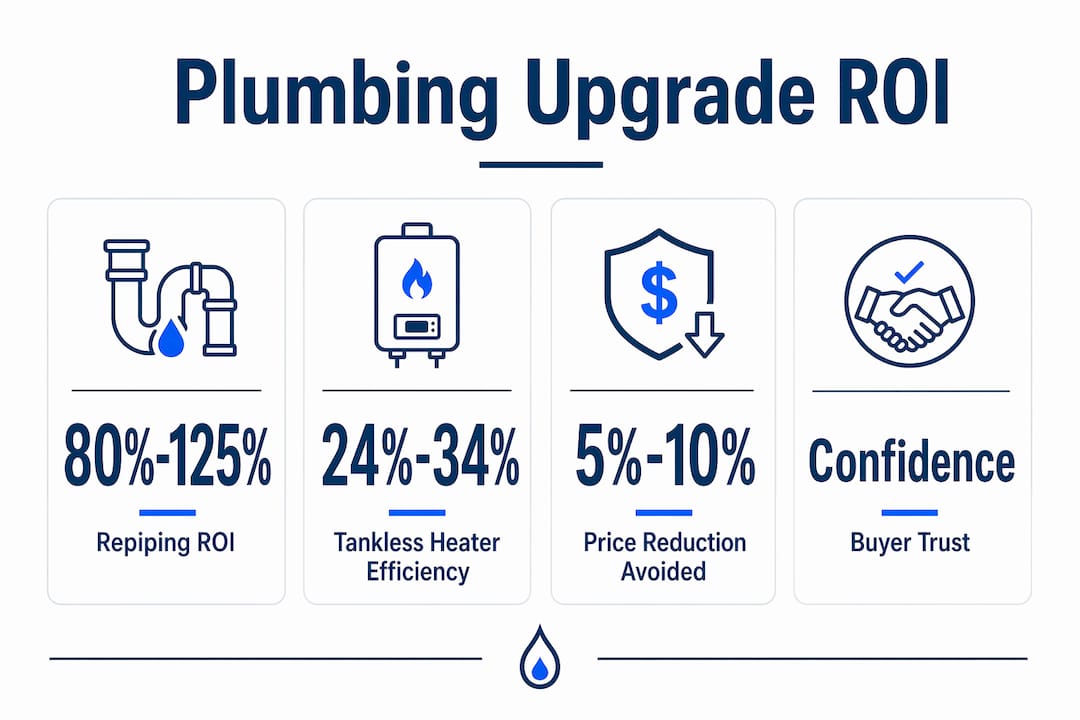
Whole-house repiping delivers some of the strongest returns in residential renovation. Repiping projects yield ROI between 80% and 125%, primarily by eliminating future water damage risks and reducing insurance premiums. That range puts repiping ahead of many cosmetic upgrades like new countertops or fresh paint, which rarely exceed 70% ROI. The reason is straightforward: buyers price in the risk of aging infrastructure, and removing that risk commands a premium.
Replacing old pipes with modern PEX or copper materials eliminates corrosion, chronic leaks, and low water pressure. These are the issues that show up on inspection reports and give buyers leverage to negotiate down. When the infrastructure is solid, that leverage disappears.
Fixture replacements and water efficiency
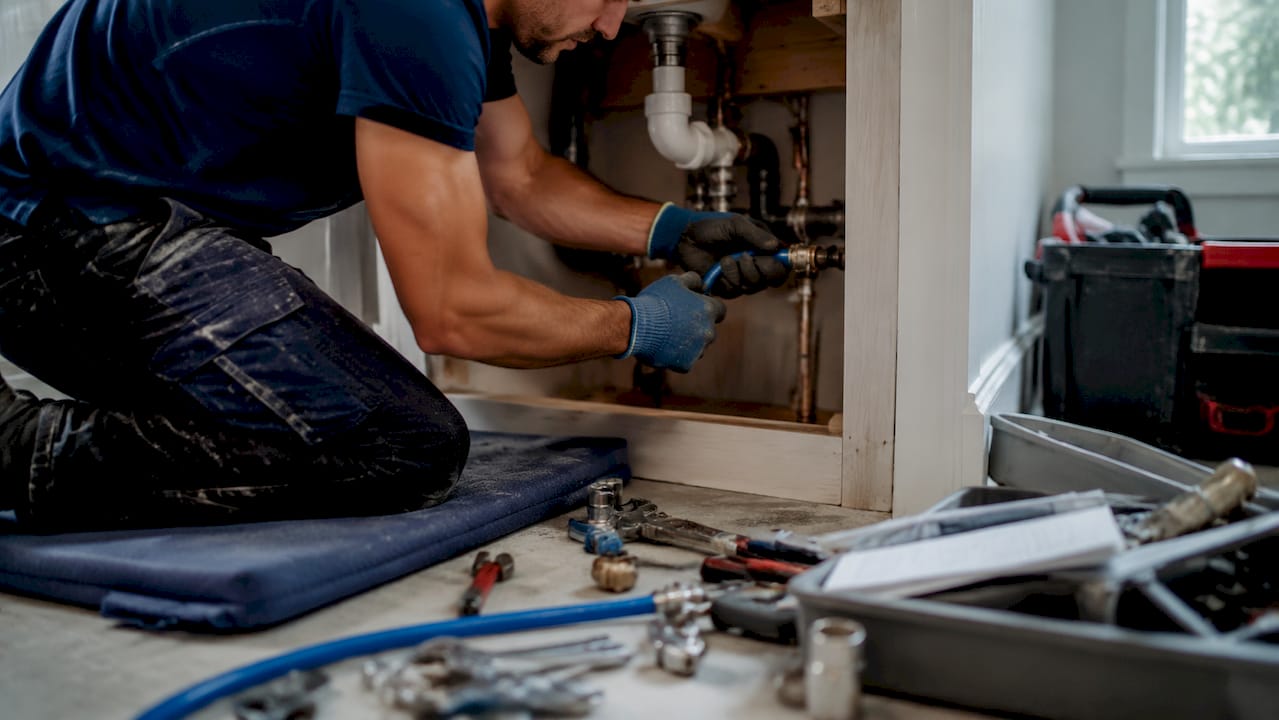
Swapping outdated fixtures for water-efficient models adds both cosmetic appeal and measurable utility savings. Water-efficient fixtures reduce household water consumption by 30 to 50%, saving an average family of four roughly $380 per year. Buyers who understand operating costs respond to that number. Low-flow toilets, WaterSense-labeled faucets, and dual-flush systems are visible, easy to verify, and carry a clear financial benefit.
Tankless water heater upgrades
Tankless water heaters are 24 to 34% more energy-efficient than traditional tank models. That efficiency gap translates directly into lower monthly utility bills, which buyers factor into their total cost of ownership. A tankless water heater also eliminates the concern of a near-end-of-life tank sitting in the utility room. Water heaters over 10 years old are routinely flagged during inspections and reduce buyer offers as replacement becomes an imminent expense.
| Upgrade type | Estimated ROI | Primary value driver |
|---|---|---|
| Whole-house repiping | 80%–125% | Eliminates water damage risk and lowers insurance |
| Tankless water heater | High buyer appeal | 24–34% energy efficiency gain |
| Water-efficient fixtures | Moderate, fast payback | $380/year utility savings for average household |
| Sewer lateral repair | Prevents $5K–$20K concessions | Removes inspection red flags |
Pro Tip: Address infrastructure before fixtures. Replacing a faucet in a house with polybutylene pipes will not move the needle on appraisal value. Fix the pipes first, then upgrade the visible elements.
How do plumbing upgrades reduce risks and increase buyer confidence?
Deferred plumbing maintenance is one of the most predictable ways to lose money on a home sale. Neglected plumbing reduces sale price by 5 to 10%, with sewer lateral problems alone generating concession demands between $5,000 and $20,000. That is not a negotiating inconvenience. It is a direct transfer of value from seller to buyer.
The sequence typically plays out like this:
- A buyer's inspector identifies a sewer lateral issue, aging galvanized pipes, or a water heater past its service life.
- The buyer requests a price reduction or repair credit.
- The seller either accepts the concession or risks losing the deal entirely.
- If the deal falls through, the seller re-lists with a disclosed defect, which compounds the problem.
Proactive upgrades break that cycle before it starts. Homes with updated plumbing pass inspections faster and sell more quickly than comparable homes with outdated systems. Speed matters in real estate. Every additional week on market increases carrying costs and signals to subsequent buyers that something may be wrong.
"Sophisticated buyers look beyond aesthetics to underlying pipe materials and condition; superficial fixture upgrades do not compensate for infrastructure issues." — Angi
Smart leak detection systems add another layer of protection. Auto shut-off valves detect abnormal flow and prevent catastrophic water damage before it occurs. Insurance companies treat old plumbing as a measurable risk factor. Upgrading to modern systems, including leak detection technology, can lower insurance premiums and make the property more attractive to buyers who are also thinking about their future insurance costs.
Which plumbing upgrades appeal most to modern buyers?
Modern buyers, particularly those purchasing in the $500,000 and above range, treat plumbing condition as a proxy for overall home maintenance quality. A well-maintained plumbing system signals that the previous owner cared for the property. A neglected one signals the opposite, regardless of how fresh the paint looks.
The upgrades that generate the strongest buyer response fall into two categories: visible and invisible.
Visible upgrades buyers notice immediately:
- Low-flow toilets and WaterSense faucets that demonstrate environmental awareness and lower utility costs
- Modern shower fixtures and vessel sinks that update bathroom aesthetics without full remodels
- Under-sink water filtration systems that address water quality concerns directly
- Tankless water heaters visible in utility spaces, signaling efficiency and longevity
Invisible upgrades that protect the sale:
- PEX or copper repiping that eliminates the polybutylene pipe problem, which typically triggers price reductions or replacement requirements before closing
- Sewer camera inspections with documented clean results
- Smart home plumbing integrations, including leak sensors connected to home automation platforms like Google Home or Amazon Alexa
Documentation is what converts invisible upgrades into visible value. Permits and inspection records reduce negotiation friction during home inspections by giving buyers verifiable proof that work was done correctly. A folder of permits, receipts, and inspection reports turns a plumbing upgrade from a verbal claim into a documented asset. For water-saving upgrades in areas like Santa Maria where water costs are a real concern, that documentation carries extra weight.
Pro Tip: Keep a dedicated home improvement binder with permits, contractor invoices, and inspection certificates for every plumbing upgrade. Hand it to your real estate agent at listing time. Buyers and their agents will reference it repeatedly.
How to plan plumbing upgrades for maximum value before selling
Timing and sequencing matter as much as the upgrades themselves. A plumbing improvement done three years before sale has time to prevent damage and generate utility savings. One done three weeks before listing is purely cosmetic signaling. Here is how to approach the planning process strategically:
-
Schedule a pre-listing plumbing inspection. A licensed plumber will identify issues that a buyer's inspector will find anyway. Knowing the problems in advance gives you control over how they are addressed and at what cost.
-
Prioritize infrastructure over aesthetics. Repiping, sewer lateral repairs, and water heater replacement protect the sale price. New faucets and showerheads improve appeal but will not offset a failed inspection. Address the foundation before the finish.
-
Calculate the cost-versus-concession math. If a sewer lateral repair costs $8,000 but prevents a $15,000 buyer concession, the math is clear. Deferred maintenance costs routinely exceed the actual upgrade cost when plumbing issues derail or delay a sale.
-
Match upgrades to your local market. In Santa Barbara County, water efficiency is a genuine selling point because of regional water costs and conservation awareness. A plumbing system upgrade that reduces water consumption resonates with local buyers in a way it might not in a water-abundant market.
-
Get everything permitted and documented. Unpermitted plumbing work creates disclosure obligations and can complicate financing. Permitted work, by contrast, becomes a verified asset that supports the asking price.
The homeowners and investors who get the best returns treat plumbing as a planned investment, not an emergency expense. Reactive repairs after a buyer's inspection always cost more than proactive upgrades before listing.
Key takeaways
Plumbing upgrades increase property value by eliminating inspection red flags, reducing buyer risk, and delivering documented efficiency gains that justify higher asking prices.
| Point | Details |
|---|---|
| Repiping delivers top ROI | Whole-house repiping yields 80%–125% ROI by removing water damage risk and lowering insurance costs. |
| Deferred maintenance is expensive | Neglected plumbing reduces sale price by 5–10% and can trigger $5,000–$20,000 in buyer concessions. |
| Documentation converts upgrades to value | Permits and inspection records reduce negotiation friction and support the asking price at closing. |
| Infrastructure beats aesthetics | Fixing pipes before upgrading fixtures is the only sequence that produces full appraisal value gains. |
| Efficiency upgrades attract modern buyers | Tankless heaters and low-flow fixtures reduce operating costs, which buyers factor into their offers. |
What 15 years of plumbing work taught me about home value
Most homeowners think about plumbing the same way they think about their car's transmission: they ignore it until something breaks. That instinct costs them real money at the worst possible time, which is during a sale.
I have seen buyers walk away from otherwise solid homes because a camera inspection revealed a cracked sewer lateral. I have watched sellers lose $12,000 in concessions on a house that needed $4,500 in pipe repairs they had been putting off for two years. The math never works in the seller's favor when plumbing problems surface at closing.
What surprises most people is that the highest-value plumbing investments are the ones you cannot see. Nobody tours a home and says "I love the PEX piping." But they absolutely notice when the water pressure is strong, the hot water arrives in seconds, and the inspection report comes back clean. That invisible confidence is what moves buyers from interested to committed.
The misconception I push back on hardest is the idea that new fixtures compensate for old infrastructure. They do not. A $400 rainfall showerhead installed on a 40-year-old galvanized pipe system is a cosmetic distraction, not a value driver. Sophisticated buyers, and their inspectors, see through it immediately.
My advice: treat your plumbing like a financial asset. Maintain it, document every upgrade, and address infrastructure issues before they become negotiating weapons in someone else's hands.
— Kirk
Protect your home's value with professional plumbing services
If you are preparing to sell or simply want to protect your investment, Drainpointplumbing offers the full range of services that move the needle on property value. From residential plumbing repairs and fixture replacements to complete repiping and water heater upgrades, the team at Drain Point Plumbing serves homeowners across Santa Maria and Santa Barbara County with over 15 years of hands-on experience.
Whether you need a pre-sale plumbing inspection, a water heater replacement, or a full system assessment, Drainpointplumbing provides free quotes and 24/7 emergency response. Senior and military discounts are available. Contact the team today to find out exactly which upgrades will deliver the strongest return on your specific property.
FAQ
Does plumbing increase property value?
Yes. Modern, well-maintained plumbing increases property value by reducing inspection red flags, improving energy efficiency, and signaling move-in-ready condition to buyers. Whole-house repiping alone can yield ROI between 80% and 125%.
How much can bad plumbing reduce a home's sale price?
Deferred plumbing maintenance reduces sale price by 5 to 10%, with sewer lateral issues generating buyer concessions between $5,000 and $20,000. Proactive repairs before listing prevent these losses.
What plumbing upgrades have the best ROI?
Whole-house repiping, tankless water heater installation, and sewer lateral repairs consistently deliver the strongest returns. These infrastructure upgrades eliminate the issues that buyers and inspectors use as negotiating leverage.
How does plumbing affect a home appraisal?
Appraisers factor in the condition and age of plumbing systems when assessing value. Outdated materials like polybutylene pipes, aging water heaters, and evidence of water damage all reduce appraised value. Updated systems with documented permits support a higher appraisal.
Should I upgrade plumbing before selling my home?
Yes, if your plumbing has known issues or aging components. The cost of proactive upgrades is almost always lower than the concessions a buyer will demand after a home inspection reveals the same problems.