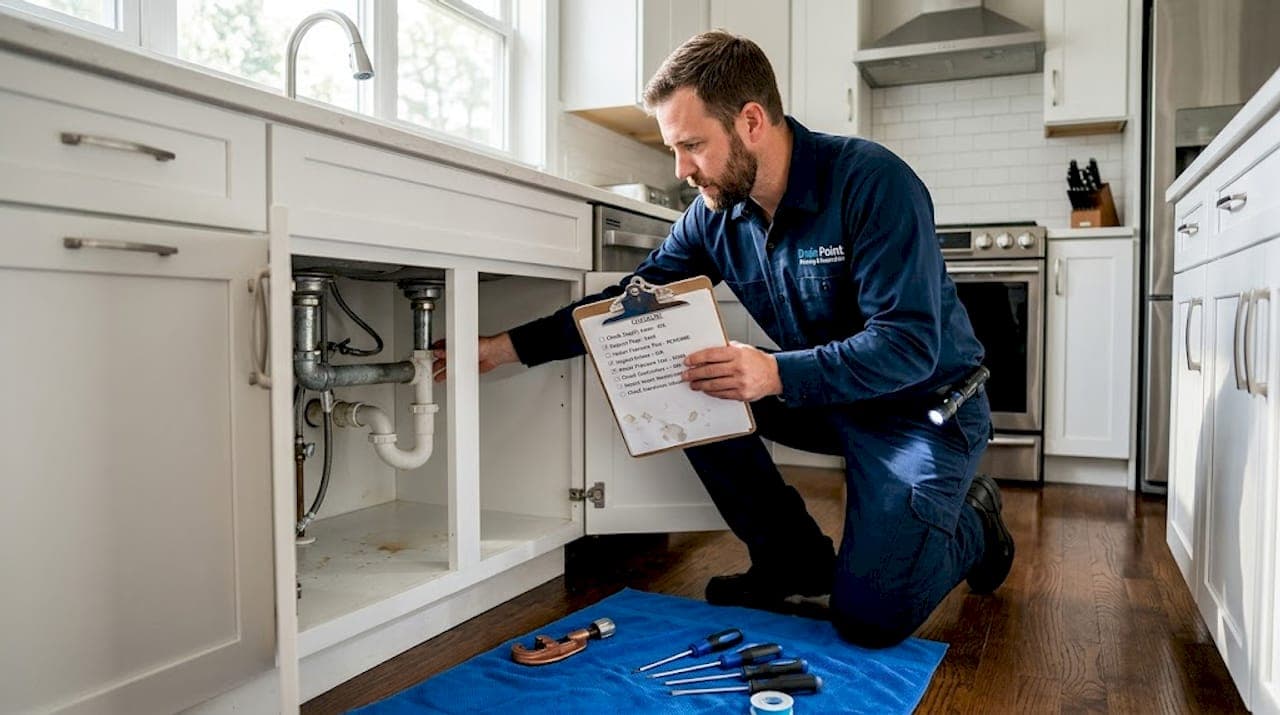
Most homeowners only call a plumber when something breaks. But a plumbing system upgrade is something entirely different from an emergency repair. Understanding what is a plumbing system upgrade means recognizing it as a planned improvement to your home's water supply, drainage, or fixtures. It covers everything from replacing corroded pipes to installing energy-efficient water heaters and smart leak detectors. Done proactively, an upgrade protects your home's value, cuts utility bills, and keeps you compliant with local codes before a costly failure forces your hand.
Table of Contents
- Key takeaways
- What a plumbing system upgrade actually covers
- Signs you need a plumbing upgrade
- Cost factors and budgeting for an upgrade
- How to upgrade plumbing: the step-by-step process
- My honest take on plumbing upgrades
- Ready to upgrade? Drainpointplumbing can help
- FAQ
Key takeaways
| Point | Details |
|---|---|
| Upgrades go beyond repairs | A plumbing system upgrade replaces or improves components before failure, not just after a leak. |
| Multiple signs trigger action | Corrosion, low pressure, aging pipes, and rising water bills all signal the right time to upgrade. |
| Costs vary widely | Single repairs run $450 to $1,200; full system replacements can reach $18,000 depending on scope. |
| Modern materials last longer | PEX piping can last 80 to 100 years, making it a smarter long-term investment than older materials. |
| Pressure testing is non-negotiable | A proper pressure test after installation catches hidden leaks before walls are closed and damage occurs. |
What a plumbing system upgrade actually covers
When most people hear "plumbing upgrade," they picture a new faucet or a toilet swap. That is a fixture replacement. A true plumbing system upgrade involves the underlying infrastructure of your home's water system. That means the pipes carrying water in, the drains carrying it out, the water heater supplying hot water throughout your home, and all the fixtures those systems feed.
Supply and drain system components
The supply side brings pressurized water from your meter to every faucet, appliance, and outlet in your home. The drain side removes wastewater to the sewer or septic system. Both can be upgraded independently or together.
Common upgrade components include:
- Supply pipes: Replacing galvanized steel or lead pipes with copper or PEX tubing
- Drain lines: Upgrading cast iron or Orangeburg pipe to PVC for smoother flow and corrosion resistance
- Water heater: Switching from a tank unit to a tankless water heater for on-demand efficiency
- Fixtures: Installing low-flow showerheads, dual-flush toilets, and aerated faucets
- Water treatment: Adding a whole-home water filtration system for better water quality
Pipe materials compared
| Material | Lifespan | Cost level | Best use |
|---|---|---|---|
| Galvanized steel | 20 to 50 years | Low (outdated) | Legacy systems only |
| Copper | 50 to 70 years | Moderate to high | Supply lines, long-term use |
| PEX | 80 to 100+ years | Low to moderate | Flexible runs, freeze resistance |
| PVC | 25 to 40 years | Low | Drain and vent lines |
PEX is currently the most popular choice for full repipes because it is flexible, easy to route through walls without cutting large holes, and resistant to both scale buildup and freeze bursts. Copper remains excellent for supply lines but costs more in both materials and labor.
Modern technology upgrades
Beyond pipes and fixtures, technology has opened up new options for the plumbing system improvement category. Smart leak detectors can shut off water automatically when they sense a breach. Water-efficient fixtures like low-flow showerheads and dual-flush toilets reduce consumption without any noticeable drop in performance. These upgrades pay for themselves fast.
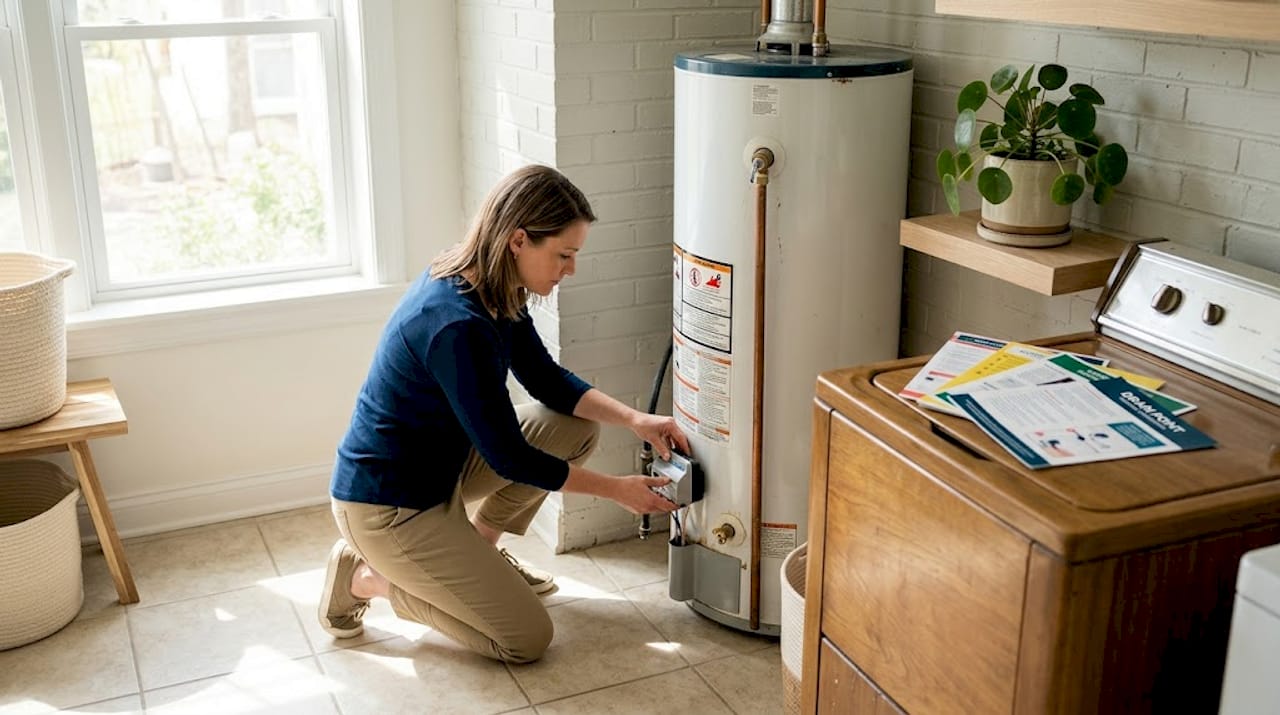
Pro Tip: When upgrading home plumbing, replace the supply angle stops (shutoff valves under sinks and behind toilets) at the same time. These corrode and fail silently, and replacing them during an upgrade costs almost nothing compared to doing it separately.
Signs you need a plumbing upgrade
Knowing when to upgrade plumbing rather than patch it again is one of the most valuable decisions you can make as a homeowner. Repairs are appropriate for isolated, infrequent problems. Upgrades become the smarter option when your system shows consistent, recurring, or compounding issues.
Watch for these warning signs:
- Frequent leaks: If you have called a plumber multiple times in the past year for pipe leaks, you are repairing symptoms rather than addressing the root cause
- Visible corrosion: Orange or brown staining on pipes, rust-colored water, or flaking metal are signs your pipes are deteriorating from the inside
- Low water pressure: Pressure that has dropped over time usually points to internal scaling or narrowed pipe walls
- Discolored or foul-smelling water: A sign of corroding pipes or the presence of old lead or galvanized steel in the system
- Rising water bills: Unexplained spikes in usage often indicate hidden leaks or inefficient fixtures
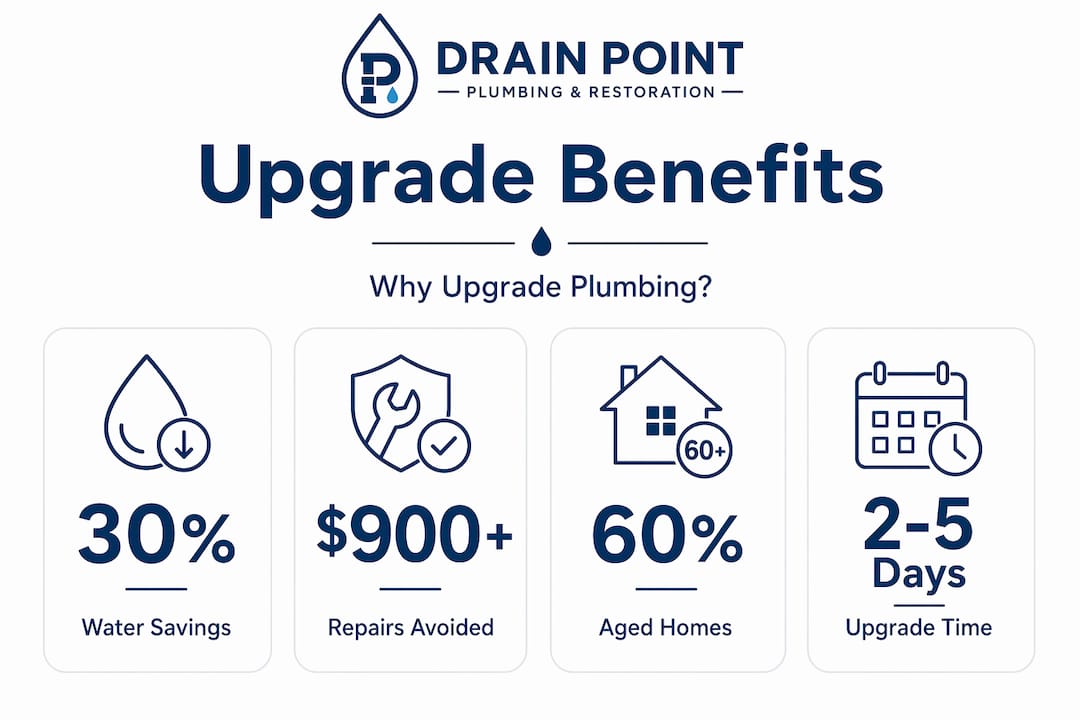
Age is also a major factor. Over 60% of homes built before 1970 have plumbing systems that are either failing or no longer code-compliant. If your home is in that range and still has its original pipes, you are not asking whether to upgrade. You are asking how soon.
Homeowners who delay often pay for it twice. Repair costs of $900 or more per year are common before homeowners finally commit to a full replacement that would have been cheaper long-term. The math on a temporary pipe repair versus a proper upgrade eventually stops working in the repair's favor.
Cost factors and budgeting for an upgrade
The cost of a plumbing upgrade is one of the first questions homeowners ask, and the honest answer is that it depends on several intersecting factors. Scope, materials, and labor complexity all shape the final number.
Here is how typical costs break down:
| Upgrade scope | Typical cost range |
|---|---|
| Single fixture replacement | $150 to $500 |
| Single pipe repair | $450 to $1,200 |
| Partial repiping (one zone) | $1,500 to $5,000 |
| Full home repiping | $4,000 to $18,000 |
| Water heater replacement | $900 to $3,500 |
These numbers shift based on home size, the pipe material you choose, accessibility of existing lines, and regional labor rates. A 1,200-square-foot single-story home in Santa Barbara County will cost considerably less to repipe than a two-story, 3,000-square-foot property with walls that require significant drywall removal.
Where real savings come in
The benefits of plumbing upgrades extend well beyond the obvious. Water-efficient fixtures alone can reduce a household's water use by 30 to 50%, which translates to meaningful utility savings every month. A tankless water heater uses 24 to 34% less energy than a conventional tank unit for homes that use moderate amounts of hot water.
Pro Tip: Budget a 15 to 20% contingency on top of any plumbing upgrade estimate. Once walls are open, plumbers often uncover additional issues, like corroded fittings or improperly vented drains, that were invisible from the outside. Planning for this prevents a budget shock mid-project.
If you are concerned about upfront cost, ask about phased upgrades. Replacing the highest-risk sections first (typically supply lines in older homes) buys time before a full system overhaul. Many residential plumbing services also offer financing options worth exploring before you commit.
How to upgrade plumbing: the step-by-step process
Upgrading a home's plumbing system is not a weekend DIY project. It requires permits, inspections, and professional execution. Here is how the process typically unfolds when done correctly.
-
Professional inspection and assessment. A licensed plumber assesses the existing system using visual inspection and, in many cases, a sewer camera inspection to evaluate drain lines without destructive digging. Requests for professional evaluations have increased 40% as more homeowners recognize the value of this step before committing to a scope of work.
-
Scope planning and permitting. The plumber maps out what gets replaced, what stays, and which routes new pipes will take. Permits are pulled from your local building department. This step is not optional. Unpermitted work can void your homeowner's insurance and create serious problems at resale.
-
Material selection. Based on your budget, home layout, and goals, the plumber recommends materials. Most modern upgrades default to PEX for supply lines and PVC for drain lines.
-
Installation. Old pipes are removed and new lines are run. Fixtures are installed and connected. Wall penetrations are made only where necessary to minimize repair costs after the fact.
-
Pressure testing. After installation, the system is tested at 40 to 80 PSI to confirm integrity. A drop of more than 5 PSI in 15 minutes means there is a leak that must be found and fixed before walls are closed.
Skipping the pressure test is the single most common costly mistake in residential plumbing upgrades. If a leak is sealed behind drywall without being caught, it will cause mold damage that insurance may refuse to cover if the work was unpermitted or untested.
- Final inspection and approval. A building inspector from your municipality reviews the completed work and signs off. This is your proof that the work meets current code, which matters enormously for insurance and future home sales.
My honest take on plumbing upgrades
I have seen both sides of this decision more times than I can count. Homeowners who act proactively spend less and stress less. The ones who wait until a pipe fails in a wall deal with water damage, mold remediation, and the full cost of replacement anyway, on top of all the patch repairs they paid for along the way.
The biggest mistake I see is treating every plumbing problem as an isolated incident. A second leak within 12 months in a home with original galvanized pipes is not bad luck. It is a pattern. The system is telling you something.
I also push back against the instinct to skip permits to save money. The short-term savings are real. The long-term risk is not worth it. If you ever sell the home, unpermitted plumbing work can tank a sale or require costly remediation. And if something goes wrong, you want documentation proving the job was done right.
My advice: get a full professional assessment before deciding on scope. The inspection cost is almost always offset by the clarity it provides. And when choosing materials, water-saving upgrades are worth the small upfront premium. They pay back in lower bills and fewer calls to a plumber.
— Kirk
Ready to upgrade? Drainpointplumbing can help
If what you have read here has you questioning whether your home's plumbing system is overdue for attention, that instinct is worth following up on. Drainpointplumbing serves homeowners and property managers throughout Santa Maria and Santa Barbara County with everything from full repipes to water heater replacement and filtration system installation. The team brings over 15 years of hands-on experience to every assessment.
Whether you need a comprehensive plumbing inspection or want to explore your residential upgrade options, Drainpointplumbing offers free quotes with no pressure. Senior and military discounts are available. Reach out through the quote request page and get a clear picture of what your system actually needs.
FAQ
What is a plumbing system upgrade?
A plumbing system upgrade is a planned improvement to one or more components of your home's water supply, drainage, or fixture infrastructure. It goes beyond emergency repairs and often involves replacing outdated pipes, water heaters, or fixtures to improve efficiency, safety, and code compliance.
How much does a plumbing upgrade cost?
Costs range from $450 to $1,200 for single repairs to $4,000 to $18,000 for a full home repipe, depending on the scope of work, home size, and materials selected.
What are the signs I need a plumbing upgrade?
Frequent leaks, visible pipe corrosion, low water pressure, discolored water, and unexplained spikes in water bills are all signs your plumbing system may need more than a repair.
How long does a whole-home repipe take?
Most residential repiping projects take two to five days for the plumbing work itself, with additional time for inspections and drywall repair afterward.
Is PEX or copper better for a home repipe?
PEX is generally the better choice for most modern upgrades because it is more flexible, costs less, and offers a lifespan of 80 to 100 years. Copper remains a solid option for direct supply runs but carries a higher material and labor cost.