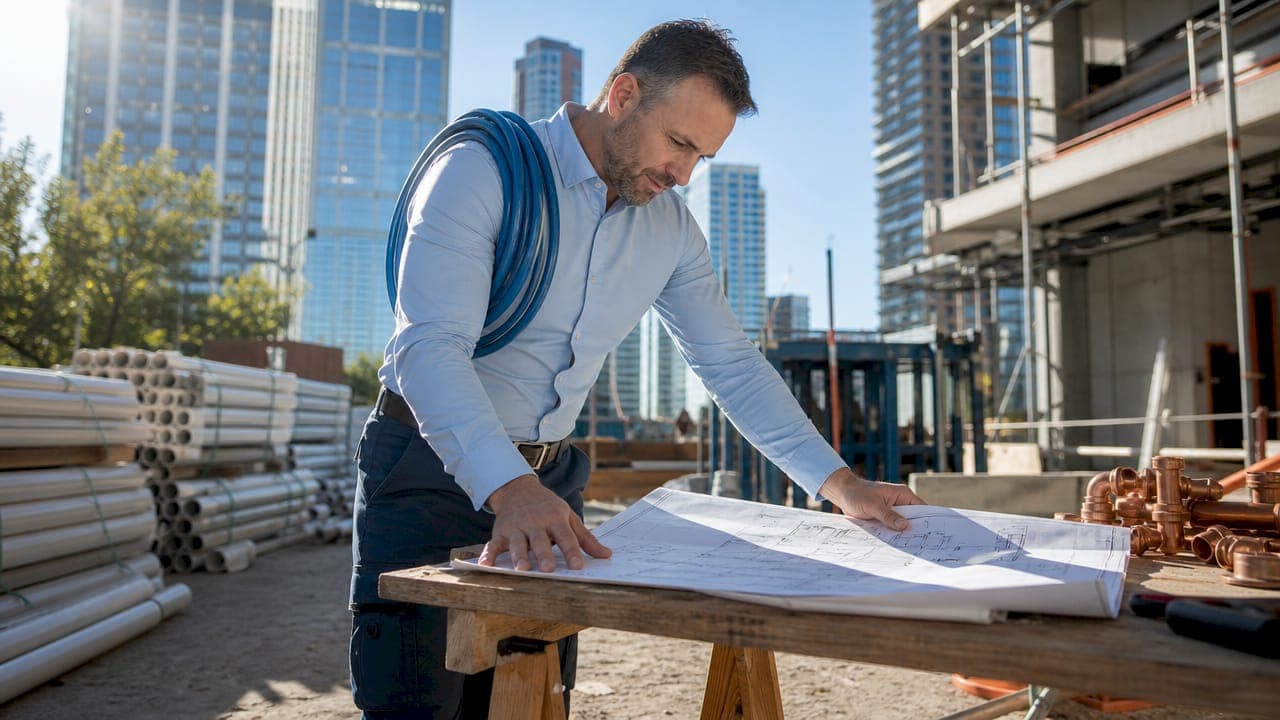
Planning a commercial plumbing renovation, known in the industry as a tenant improvement or TI project, requires precise coordination of assessments, permits, and phased upgrades to meet both operational and regulatory demands. When you plan a plumbing renovation for your business space without a structured approach, you risk cost overruns, failed inspections, and legal exposure. Drainpointplumbing has worked on commercial spaces across Santa Barbara County for over 15 years, and the pattern is consistent: projects that start with a thorough audit and early permit coordination finish on time and within budget. This guide walks you through every phase, from the first site assessment to the final permit sign-off, so you can make decisions with confidence.
What are the key prerequisites before starting your plumbing renovation?
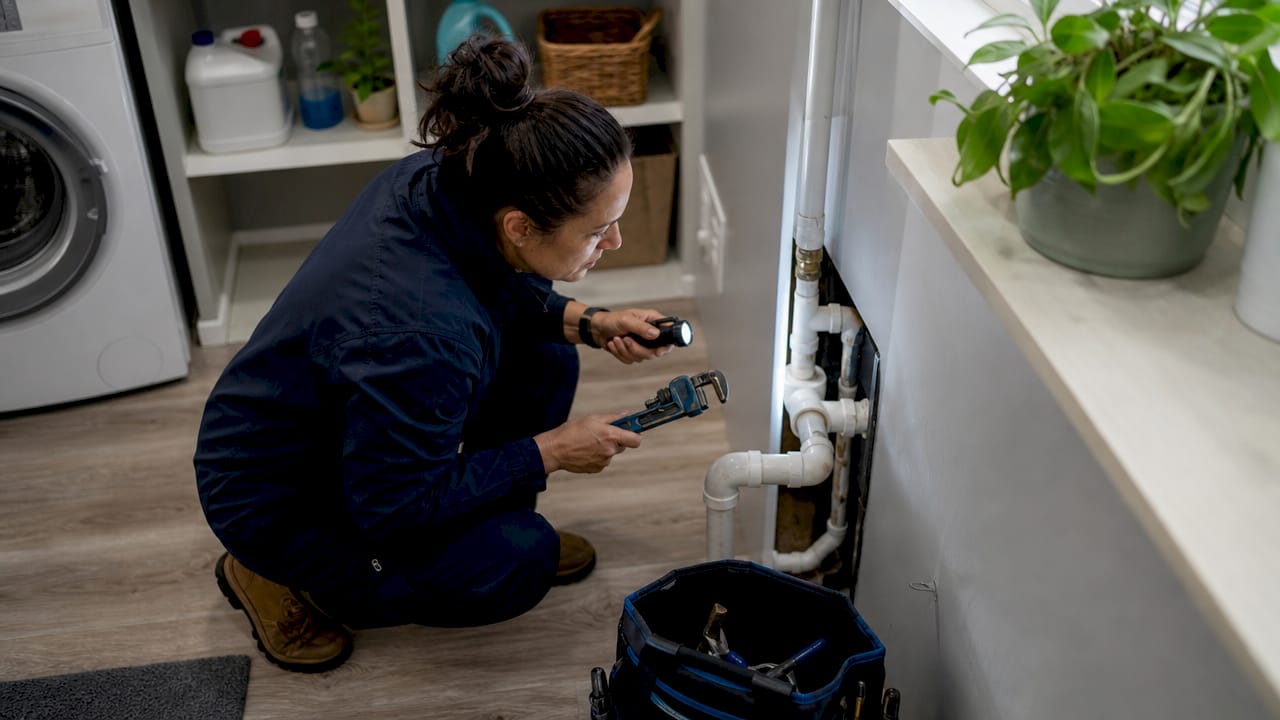
A pre-renovation plumbing audit is the single most important step before any commercial renovation begins. Camera inspection, pressure testing, and pipe material validation reveal hidden deficiencies that would otherwise surface mid-project, when fixing them costs two to three times more. Skipping this step is the most common reason commercial renovations blow past their original budgets.
A thorough audit covers these critical areas:
- Water pressure and flow capacity: Confirm the existing supply lines can handle new fixture loads without pressure drops.
- Pipe material and condition: Identify galvanized steel, cast iron, or aging copper that may be incompatible with new fixtures.
- Drain slope and cleanout access: Verify that drain lines meet the minimum slope required by the Uniform Plumbing Code (UPC) and that cleanouts are accessible for future maintenance.
- Sewer line integrity: A sewer camera inspection identifies root intrusion, cracks, or offset joints before demolition begins.
- Backflow prevention devices: Confirm existing devices are code-compliant and sized correctly for commercial use.
Involve a licensed commercial plumber at this stage, not after the architect has finalized the drawings. Plumbing infrastructure must be addressed before architectural plans are locked in. Late changes to pipe routing cause structural impacts and schedule delays that ripple through every other trade.
Pro Tip: Request a written audit report with photos and pressure readings. That document becomes your baseline for permit applications and contractor bids, and it protects you if disputes arise later.
How to navigate plumbing permits and regulatory compliance for business space remodeling
Permits are not optional for commercial plumbing work. Unpermitted plumbing work can cause inspection failure, void your property insurance, and create legal liability that follows the building through future sales. Business owners routinely underestimate this risk until they face a stop-work order or a failed sale due to unpermitted systems.
The permit process for commercial plumbing renovations follows a predictable sequence:
- Submit permit application with construction documents. Your plumber or engineer provides isometric drawings, fixture schedules, and a scope of work narrative.
- Plan review. Permit processing ranges from under one day for minor work to more than two weeks for standard commercial renovations. Fees typically start around $100 and scale with project scope.
- Receive permit and post on site. Work cannot begin legally until the permit is issued and displayed.
- Schedule rough-in inspection. The building department inspects all supply and drain lines before walls are closed.
- Pass final inspection. After fixtures are installed and systems are tested, the inspector signs off and closes the permit.
ADA compliance is a non-negotiable part of this process. Fixture heights, clearances, and accessible route requirements are enforced at the plan review stage. Read more about how ADA requirements affect plumbing in commercial buildings before you finalize fixture placement.
Critical rule: Never close drywall before your rough-in inspection passes. Inspectors require visual access to all supply lines, drain connections, and vent stacks. Closing walls early means mandatory demolition and rework at your expense.
Coordinate permit applications directly with your plumbing contractor. Experienced contractors know which jurisdictions require additional documentation, such as backflow prevention certifications or grease interceptor approvals for food service spaces.
Step-by-step approach to designing and executing plumbing upgrades in a business space
A clear execution sequence prevents the most expensive mistakes in commercial plumbing renovations. Follow this order on every project:
- Finalize the plumbing layout before any demolition. Confirm fixture locations, pipe routing, and connection points with your plumber and architect together.
- Rough-in supply and drain lines. Install all concealed piping, including water supply, drain, waste, and vent (DWV) systems, before any other trades close walls.
- Schedule and pass rough-in inspection. Rough-in plumbing must be inspected and approved before drywall installation. This is a code requirement, not a suggestion.
- Install fixtures and trim. After walls are closed and finished, install toilets, sinks, faucets, and water heaters.
- Pressure test the completed system. Test both supply and drain lines under operating pressure before the space opens.
- Obtain final permit sign-off. Schedule the final inspection and receive written approval before occupancy.
Selecting materials that last
Connecting new high-demand fixtures to aged piping causes pressure failures and clogs shortly after renovation. Replace undersized or degraded supply and drain lines during the renovation, not after the first failure. For commercial spaces, cross-linked polyethylene (PEX) and copper remain the most reliable supply line materials. For drain lines, schedule 40 PVC or cast iron meets code in most jurisdictions.
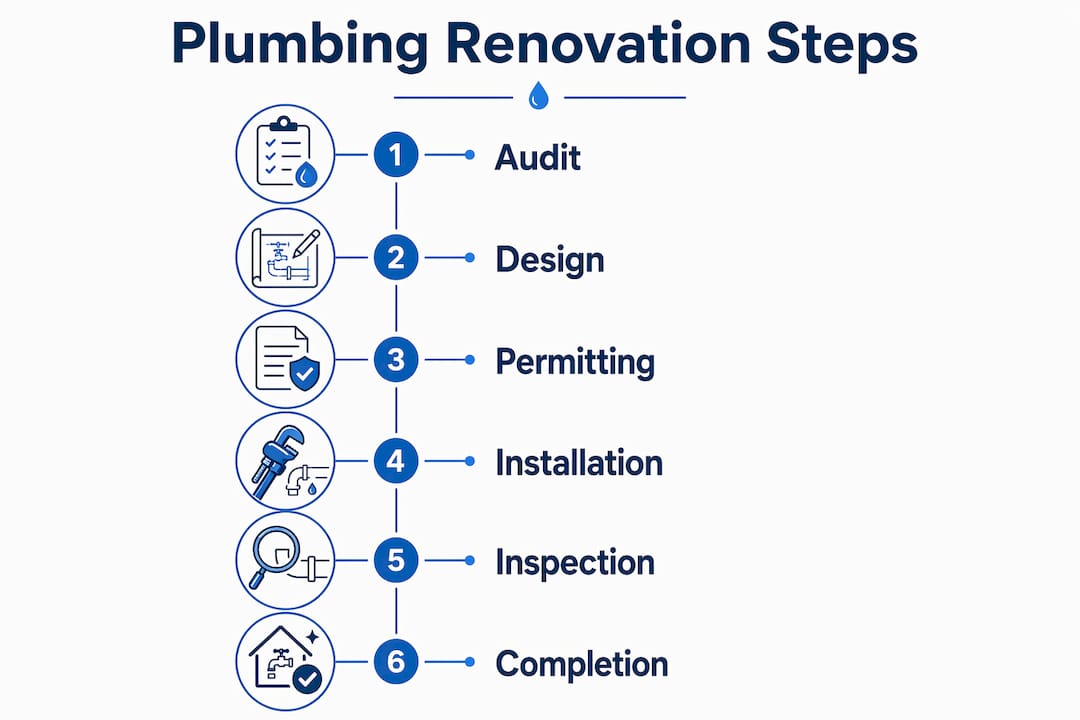
The table below summarizes the key phases and what each requires:
| Phase | Key action | Common failure point |
|---|---|---|
| Pre-construction audit | Camera inspection, pressure test | Skipping this step entirely |
| Permit application | Submit drawings and fixture schedule | Incomplete documentation |
| Rough-in installation | Install all concealed piping | Incorrect drain slope |
| Rough-in inspection | Inspector approves before drywall | Closing walls prematurely |
| Fixture installation | Install and connect all fixtures | Connecting to degraded piping |
| Final inspection | Pressure test and inspector sign-off | Missing this step before occupancy |
Pro Tip: Plan for future expansion by roughing in capped stub-outs for additional fixtures during the initial renovation. Adding them later requires opening walls again, which costs far more than a few extra feet of pipe today.
Common challenges and mistakes in commercial plumbing renovations
The most expensive mistake in commercial plumbing renovation is treating it as a late-stage detail. Early plumbing coordination is the single most effective way to protect your budget and your deadline. When plumbing is left to the end, every other trade has already committed to layouts that may be physically incompatible with code-compliant pipe routing.
Watch for these specific pitfalls:
- Underestimating existing pipe condition. Old galvanized or cast iron lines corrode from the inside out. They look acceptable until a new fixture increases flow demand and the system fails.
- Skipping or delaying inspections. Inspections are checkpoints, not obstacles. Missing a rough-in inspection means mandatory wall demolition.
- Ignoring backflow prevention. Commercial spaces require backflow preventers on irrigation, fire suppression, and process water connections. Missing these triggers code violations at final inspection.
- Poor venting design. Drain lines without proper venting create slow drains, gurgling, and sewer gas intrusion. Vent design must be part of the original layout, not an afterthought.
- No maintenance access. Cleanouts, shutoff valves, and access panels must be placed where a technician can actually reach them. Burying them behind finished walls creates expensive service calls later.
Fact: Ignoring backflow prevention or venting leads to costly future system failures that far exceed the original cost of proper installation.
For guidance on upgrading the sewer infrastructure connected to your space, see how sewer line upgrades work on business properties.
Budgeting and timeline expectations for commercial plumbing renovations
Commercial plumbing renovation projects typically take 1 to 4 weeks, depending on demolition scope and pipe rerouting complexity. A simple fixture replacement in an existing location takes days. A full gut renovation with relocated fixtures and new sewer connections takes weeks. That range matters for lease negotiations and tenant scheduling.
The single largest budget variable is fixture relocation. Keeping fixtures in their existing locations is significantly more affordable than moving them. Moving a toilet or sink requires rerouting supply lines, drain lines, and vent stacks, which multiplies labor and material costs quickly. If your layout allows it, design around existing rough-in locations.
| Cost factor | Lower cost scenario | Higher cost scenario |
|---|---|---|
| Fixture location | Fixtures stay in place | Fixtures relocated |
| Pipe condition | Pipes are sound and compatible | Pipes require full replacement |
| Permit complexity | Minor work, fast review | Full renovation, extended review |
| Project duration | 1 week, simple scope | 4 weeks, complex rerouting |
A pre-renovation audit reduces budget risk by identifying pipe replacement needs before bids are submitted. Without an audit, contractors price in contingency for unknown conditions, which inflates bids. With an audit, you get accurate pricing and fewer change orders. For a broader view of how plumbing work affects your property's financial position, see how plumbing upgrades affect property value in 2026.
Key Takeaways
Effective commercial plumbing renovation requires a pre-construction audit, early permit coordination, and phased execution to protect your budget, timeline, and legal standing.
| Point | Details |
|---|---|
| Audit before you design | Camera inspection and pressure testing reveal hidden deficiencies before they become change orders. |
| Permits protect you legally | Unpermitted work voids insurance and creates liability that follows the property through future sales. |
| Rough-in inspection is mandatory | Walls cannot close until the building department approves all concealed piping. |
| Fixture location drives cost | Keeping fixtures in existing locations is the most reliable way to control renovation budgets. |
| Plan for future access | Stub-outs, cleanouts, and shutoff valves placed now prevent expensive wall openings later. |
What I've learned from watching plumbing get planned last
Every delayed commercial renovation I've seen shares the same origin story: the plumber was called after the architect finished the drawings. By that point, the layout is fixed, the structural penetrations are designed, and the budget is set. Then the plumber walks in and explains that the drain line needs to run six inches lower than the slab allows, or that the vent stack conflicts with a structural beam. Everything stops. The architect revises. The contractor reprices. The owner absorbs the change orders.
The fix is straightforward. Bring your plumber into the design conversation before the architect finalizes anything. A good commercial plumber can tell you in one site visit where the existing rough-ins are, what the slab penetrations allow, and which fixture locations will cost you the least to serve. That conversation costs nothing and saves thousands.
I've also watched owners skip the pre-renovation audit to save a few hundred dollars, then spend tens of thousands replacing pipe that failed six months after the renovation closed. The audit is not a luxury. It is the cheapest insurance you can buy on a commercial renovation project.
The other lesson worth stating plainly: sustainable plumbing design means planning for the tenant after the next one. Stub-outs, oversized supply lines, and accessible cleanouts add modest cost today and give future tenants flexibility without opening walls. That flexibility shows up in lease negotiations and property value. Build it in from the start.
— Kirk
Drainpointplumbing is ready to support your renovation project
Drainpointplumbing brings over 15 years of commercial plumbing experience to business owners and property managers across Santa Barbara County. Whether you need a pre-renovation audit, permit-ready drawings, or full project management from rough-in through final inspection, the team works around your tenants and your schedule to minimize downtime.
From sewer camera inspections that reveal hidden deficiencies before demolition begins, to fixture repairs and installations that meet commercial code requirements, Drainpointplumbing handles every phase of the process. The team also provides 24/7 emergency plumbing services if an unexpected issue surfaces mid-renovation. Request a free quote and get a clear scope and timeline before your project begins.
FAQ
What does a commercial plumbing renovation include?
A commercial plumbing renovation covers supply line replacement or rerouting, drain and vent system upgrades, fixture installation, backflow prevention, and permit compliance. The scope depends on whether fixtures are relocated or kept in existing positions.
How long does a commercial plumbing renovation take?
Most commercial tenant improvement projects take 1 to 4 weeks depending on demolition scope and pipe rerouting complexity. Simple fixture replacements take days; full gut renovations with relocated fixtures take longer.
Do I need permits for business space plumbing work?
Any commercial plumbing work beyond minor repairs requires a permit. Permit review times range from under one day for small projects to more than two weeks for standard renovations, with fees starting around $100.
What happens if I skip the rough-in inspection?
Skipping the rough-in inspection means the building department will require you to open the walls for a visual inspection before the permit can close. That mandatory demolition and rework adds cost and delays occupancy.
How do I reduce costs in a commercial plumbing renovation?
Keep fixtures in their existing locations wherever possible. Fixture relocation is the primary cost driver in commercial plumbing renovations. A pre-renovation audit also reduces change orders by identifying pipe conditions before bids are submitted.