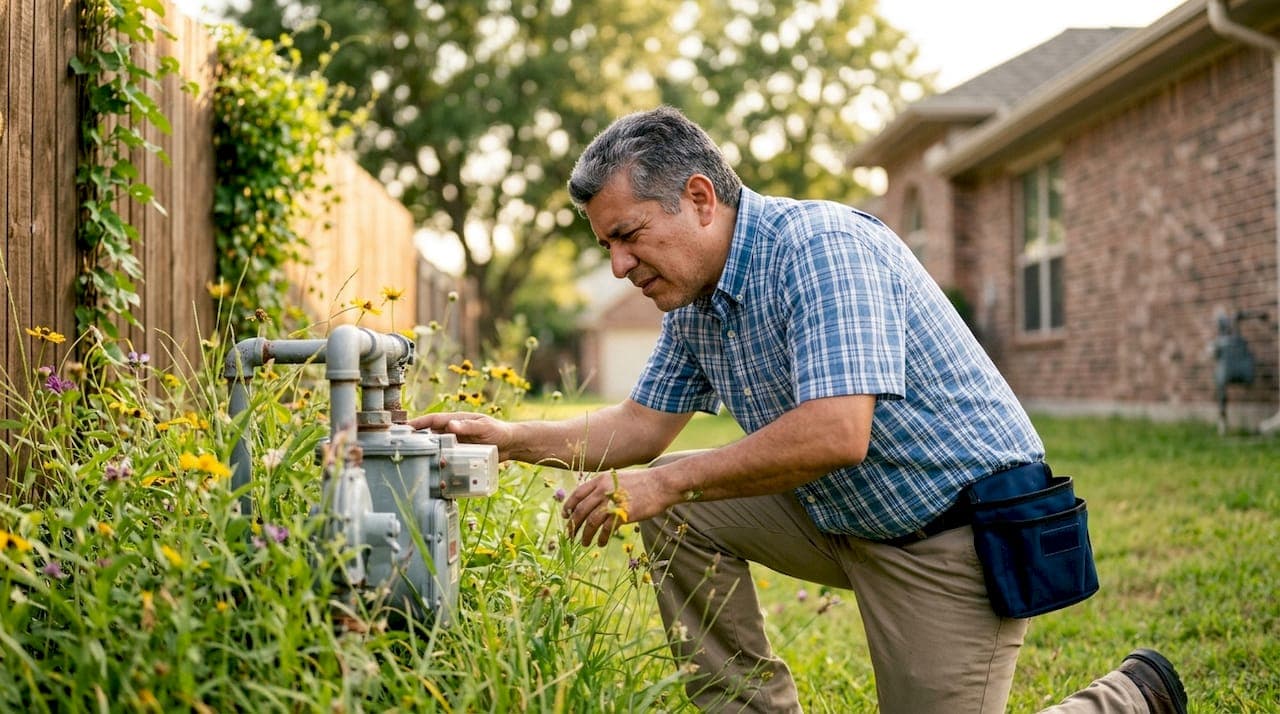
A gas line emergency is defined as any situation where natural gas is leaking or suspected to be leaking, posing an immediate threat to life and property. Utility safety authorities identify three core indicators: the smell of rotten eggs (caused by mercaptan added to otherwise odorless gas), a hissing or whistling sound near gas lines, and visual signs like bubbling water or blowing dirt. Knowing what is a gas line emergency before one happens is the difference between a controlled evacuation and a catastrophe. Drainpointplumbing has responded to gas-related calls across Santa Barbara County for over 15 years, and the pattern is consistent: the homeowners who act fast and follow the right steps stay safe.
What are the most common signs and examples of gas line emergencies?
A gas line emergency produces specific, recognizable warning signs. Recognizing them early gives you the seconds that matter most.
Sensory warning signs
The most reliable sign is the smell of mercaptan, the odorant added to natural gas because gas itself is colorless and odorless. Safety experts caution against relying on smell alone, though. High concentrations can temporarily dull your sense of smell, and outdoor leaks may disperse the odor before it reaches you. A persistent hissing sound near a gas meter, appliance, or buried line is equally serious. Even a faint, steady hiss can signal a high-pressure leak that will escalate without intervention.
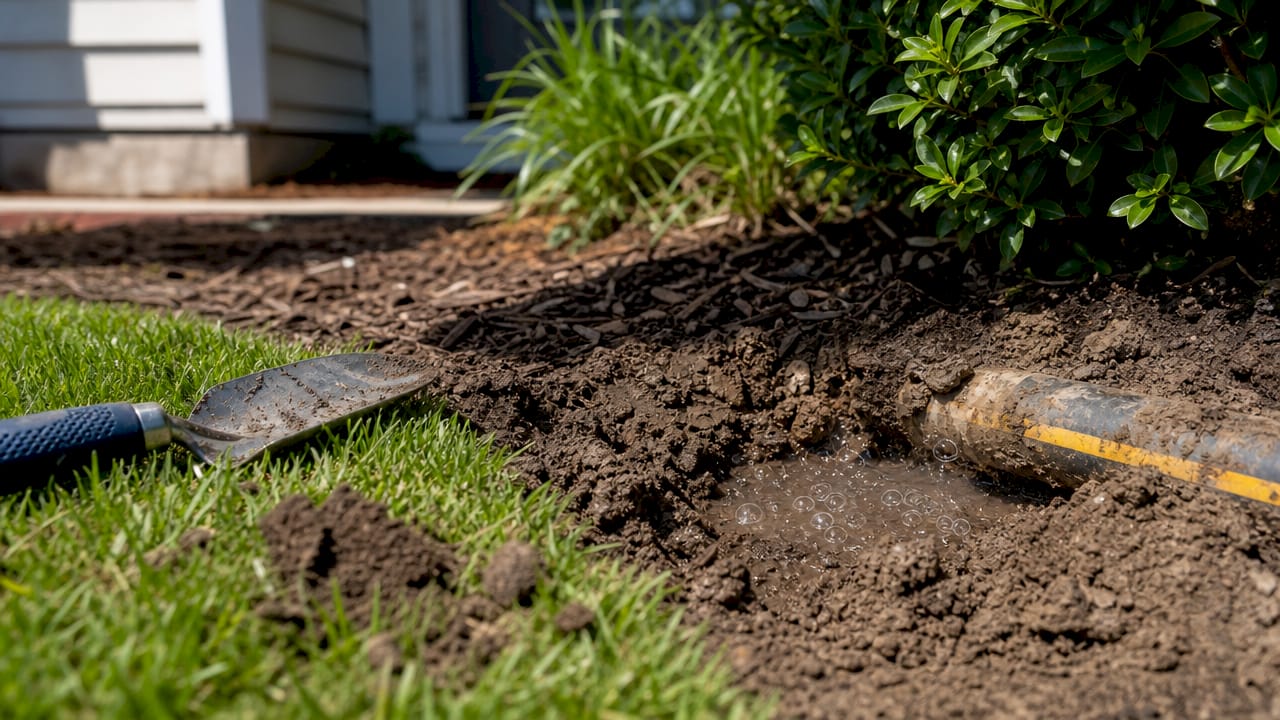
Visual signs are less common but unmistakable. Bubbling water in a puddle with no rain, dirt blowing upward from the ground, or dead vegetation in an otherwise healthy patch of grass all point to underground gas migration. These signs often appear before any odor reaches the surface.
Subtle physical symptoms
Your body can detect a gas leak before your nose does. Sudden headaches, dizziness, nausea, or eye irritation in a specific room are signs of gas exposure that many homeowners dismiss as unrelated illness. If multiple people in the same space feel these symptoms simultaneously, treat it as a gas emergency and evacuate immediately.
Common emergency scenarios
- A gas appliance connection fails, releasing gas into an enclosed kitchen or utility room
- A contractor strikes a buried line during excavation, causing an immediate rupture
- Aging steel pipe corrodes and develops a pinhole leak inside a wall cavity
- A vehicle strikes a gas meter, shearing the connection at the service line
- An earthquake shifts the ground and stresses underground fittings beyond their tolerance
Each of these scenarios requires the same response: get out, stay out, and call for help from a safe distance.
How should you safely respond to a gas line emergency?
The correct response to a gas emergency follows a strict sequence. Skipping any step increases risk.
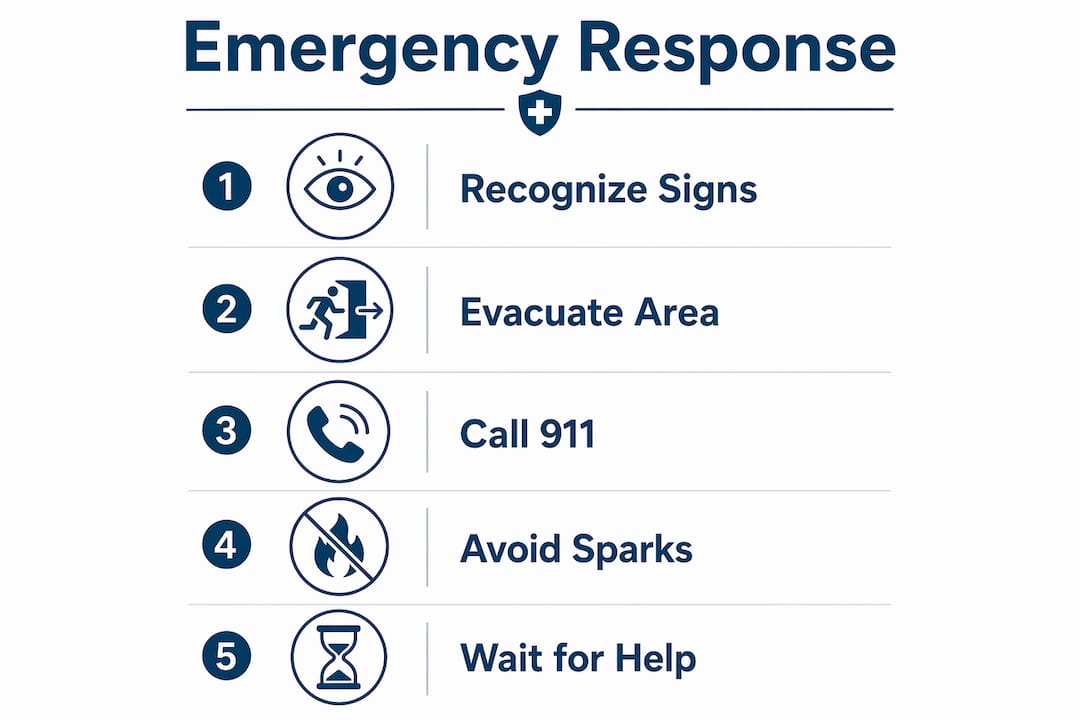
- Stop what you are doing immediately. Do not finish a task, grab belongings, or investigate the source of the smell.
- Leave the building without using any switches. Do not turn lights on or off, do not use the stove, and do not unplug anything. Any electrical arc can ignite accumulated gas.
- Leave doors open as you exit. Open doors help ventilate the space and reduce gas concentration.
- Move at least 350 feet away from the building or the suspected leak location. The recommended evacuation distance is at least 350 feet. That distance accounts for the blast radius of a potential ignition.
- Do not use your phone until you are outside and at a safe distance. A ringing phone can generate a spark. Make your calls only after you have cleared the area.
- Call 911 first, then your gas utility provider. Both lines operate 24/7. Give your address, describe what you smelled or heard, and follow dispatcher instructions.
- Do not re-enter the building for any reason until utility crews and emergency responders declare it safe.
Pro Tip: If you smell gas in your car after parking near a gas meter or utility line, do not start the engine. Exit the vehicle, move away, and call 911 from a safe distance. A car ignition can trigger an explosion just as easily as a light switch.
The California Public Utilities Commission (CPUC) documents real-world consequences of delayed response. Emergency evacuations in 2026 have involved dozens of homes at a time, with 46-home and 34-home evacuations recorded in separate incidents. Those numbers reflect what happens when a single leak goes unaddressed. Speed is the only variable you control.
One critical rule: never attempt to locate or repair the leak yourself. Homeowner attempts to find or fix gas leaks significantly increase explosion risk. Leave that work entirely to trained professionals.
What common causes lead to gas line emergencies?
Most gas line emergencies are preventable. Understanding the causes helps you reduce the risk on your property.
Third-party excavation damage
Unauthorized excavation is the leading cause of gas line ruptures. Contractors, landscapers, and homeowners who dig without verifying underground line locations strike buried pipes with alarming frequency. A 2026 Dallas apartment explosion, investigated by the National Transportation Safety Board (NTSB), traced directly to third-party damage. The resulting blast caused hospitalizations and wide-scale evacuations.
The solution is straightforward: call 811 before any digging project. The 811 "Call Before You Dig" service dispatches utility crews to mark underground lines with color-coded flags or paint. However, pipeline markers show general areas, not exact locations. Misreading a marker as a precise location is a frequent factor in third-party damage incidents. Always dig by hand within 18 inches of any utility marking.
Aging infrastructure and corrosion
Steel gas lines installed before the 1970s are prone to corrosion, especially in coastal areas like Santa Barbara County where salt air accelerates pipe degradation. Pinhole leaks in corroded pipe can release gas slowly into wall cavities or crawl spaces for weeks before detection.
Prevention steps every homeowner should take
- Call 811 before any digging, even for fence posts or garden beds
- Schedule a gas line inspection every few years, especially in older homes
- Install natural gas detectors on every floor, particularly near appliances
- Know the location of your gas shutoff valve and how to operate it
- Report any damaged pipeline markers to your utility provider immediately
Pro Tip: Natural gas detectors are not the same as carbon monoxide detectors. You need both. Carbon monoxide detectors do not detect methane or propane.
What is the professional process for handling gas line repairs?
After utility crews isolate the leak and shut off the gas supply, the repair process follows a defined sequence. Understanding it helps you know what to expect and why re-entry takes time.
Leak detection and isolation
Utility technicians arrive first and use combustible gas indicators to confirm the presence and concentration of gas. They shut off the supply at the main valve and ventilate the affected area. Only after gas readings return to safe levels do they allow access to the site.
Licensed plumbers then perform detailed leak detection using electronic gas sensors and pressure testing. Pressure testing involves pressurizing the gas line with air or nitrogen and monitoring for pressure drop. A drop confirms a breach. This method locates leaks that sensors alone may miss inside walls or under slabs.
Repair and reactivation
The damaged section of pipe is cut out and replaced with code-compliant materials. After repair, the line undergoes a second pressure test to confirm the breach is fully sealed. Gas service is only restored after the line holds pressure for the required duration.
Before the gas is turned back on, a technician checks every appliance connected to the system. Pilot lights, burners, and connections are inspected individually. Natural gas can accumulate far from the original leak source through underground conduits and confined spaces, so technicians also check adjacent areas for residual gas buildup.
The full process, from utility shutoff to appliance recheck, typically takes several hours. Rushing any step risks missing a secondary breach or an appliance that was damaged by the initial pressure loss.
Key Takeaways
A gas line emergency demands immediate evacuation, a call to 911 from a safe distance, and zero attempts at self-repair. Every second of delay increases the risk of ignition.
| Point | Details |
|---|---|
| Recognize the signs early | Rotten egg smell, hissing sounds, and bubbling ground water all signal a gas emergency. |
| Evacuate before calling | Move at least 350 feet away before using your phone or calling 911. |
| Never self-repair | Attempting to locate or fix a gas leak significantly increases explosion risk. |
| Call 811 before digging | Pipeline markers show general areas, not exact locations. Always verify before excavating. |
| Schedule regular inspections | Periodic gas line inspections catch corrosion and small leaks before they become emergencies. |
What I've learned after 15 years of gas-related calls
The calls that concern me most are not the dramatic ones. A ruptured line after a contractor hits it is obvious. Everyone smells it, everyone evacuates, and the utility crew arrives fast. The dangerous calls are the quiet ones. A homeowner notices a faint smell in the garage for three days and assumes it is the neighbor's car. A family gets headaches every evening and blames seasonal allergies. By the time they call, gas has been accumulating in a confined space long enough to make the situation genuinely life-threatening.
The biggest misconception I encounter is that a gas emergency has to look like an emergency. People expect a loud hiss, a strong odor, or visible damage. The reality is that some dangerous leaks produce only faint hissing and no odor at all, especially outdoors where wind disperses the mercaptan before it reaches you. Subtle signs are just as serious as obvious ones. Treat any suspicion as a confirmed emergency until proven otherwise.
The second misconception is that turning off the gas at the meter buys you time to investigate. It does not. If gas has already accumulated inside a wall, a crawl space, or a confined room, shutting the meter valve does not remove what is already there. You still need to evacuate and ventilate before anyone re-enters.
My advice is simple: life safety comes first, always. Property can be repaired. People cannot be replaced. If you smell gas, you leave. You do not grab the dog, you do not get your wallet, and you do not check the stove. You leave. Call from outside. Let the professionals handle everything after that.
— Kirk
Drainpointplumbing is ready when the utility crew leaves
After your gas utility shuts off the supply and clears the scene, the repair work begins. That is where Drainpointplumbing comes in.
Drainpointplumbing provides 24/7 emergency plumbing services across Santa Maria and Santa Barbara County, with licensed technicians trained in gas line leak detection, pressure testing, and code-compliant repairs. The team coordinates directly with utility providers and follows all California safety standards before restoring service. Whether you need a damaged section replaced or a full residential plumbing inspection after an incident, Drainpointplumbing responds fast and gets it done right. Call or request a free quote to reach the team any time, day or night.
FAQ
What is a gas line emergency?
A gas line emergency is any situation where natural gas is leaking or suspected to be leaking, indicated by odor, hissing sounds, or visual signs like bubbling water. It requires immediate evacuation and a call to 911 from a safe location.
How far should I evacuate during a gas leak?
The recommended evacuation distance is at least 350 feet from the suspected leak source. Do not use your phone or any electrical device until you have cleared that distance.
Can I smell every gas leak?
No. Mercaptan makes most leaks detectable by smell, but outdoor leaks can disperse before reaching you, and high concentrations can temporarily reduce your ability to smell. Physical symptoms like dizziness or nausea may be the first sign of an invisible leak.
What should I never do during a gas emergency?
Never flip light switches, use your phone inside the building, start a vehicle near the leak, or attempt to locate and repair the leak yourself. Each of these actions can ignite accumulated gas.
How do professionals find and fix a gas leak?
Licensed technicians use electronic gas sensors and pressure testing to locate breaches precisely. After repair, the line is pressure-tested again before gas service is restored, and every connected appliance is inspected individually.