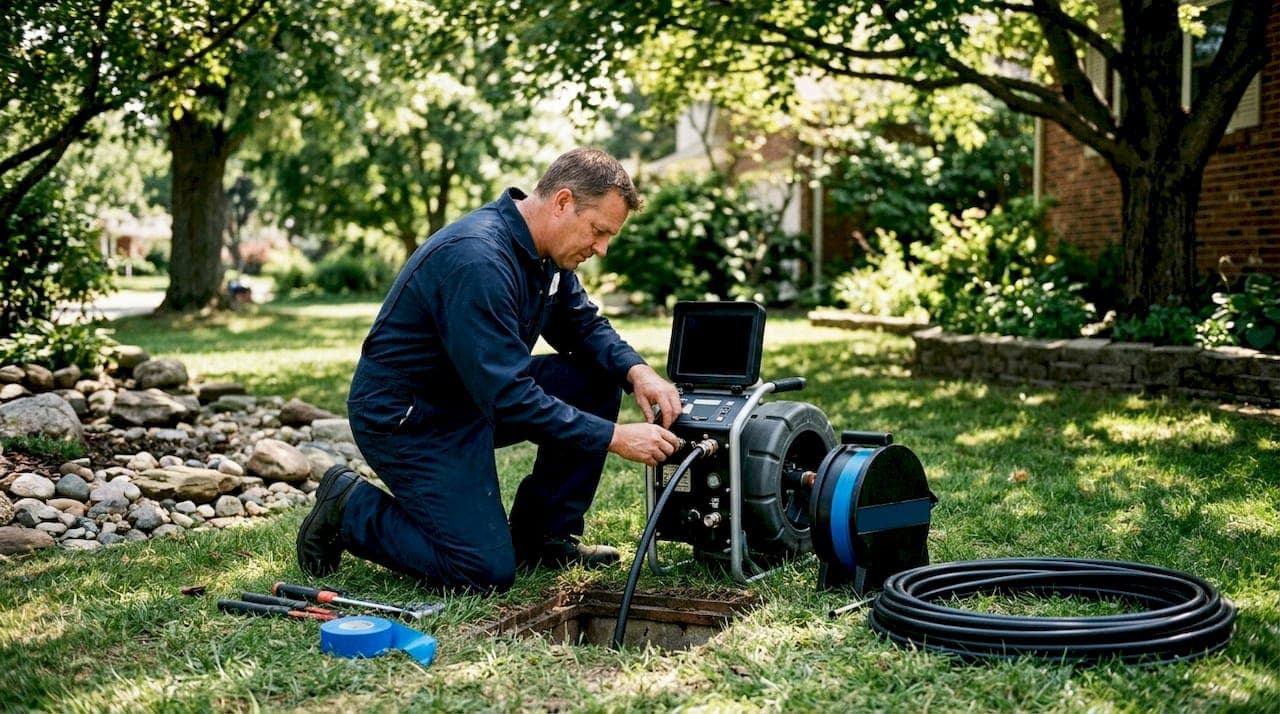
Trenchless pipe replacement is a minimally invasive method that rehabilitates or replaces underground pipes without tearing up your yard, driveway, or landscaping. Two core techniques drive this field: cured-in-place pipe lining (CIPP) and pipe bursting. Both use small access pits, typically 3 to 4 feet square, rather than a full trench along the pipe's length. Understanding how trenchless pipe replacement works helps you ask the right questions, set realistic expectations, and avoid costly surprises when a plumber recommends it for your property.
How does trenchless pipe replacement work step by step?
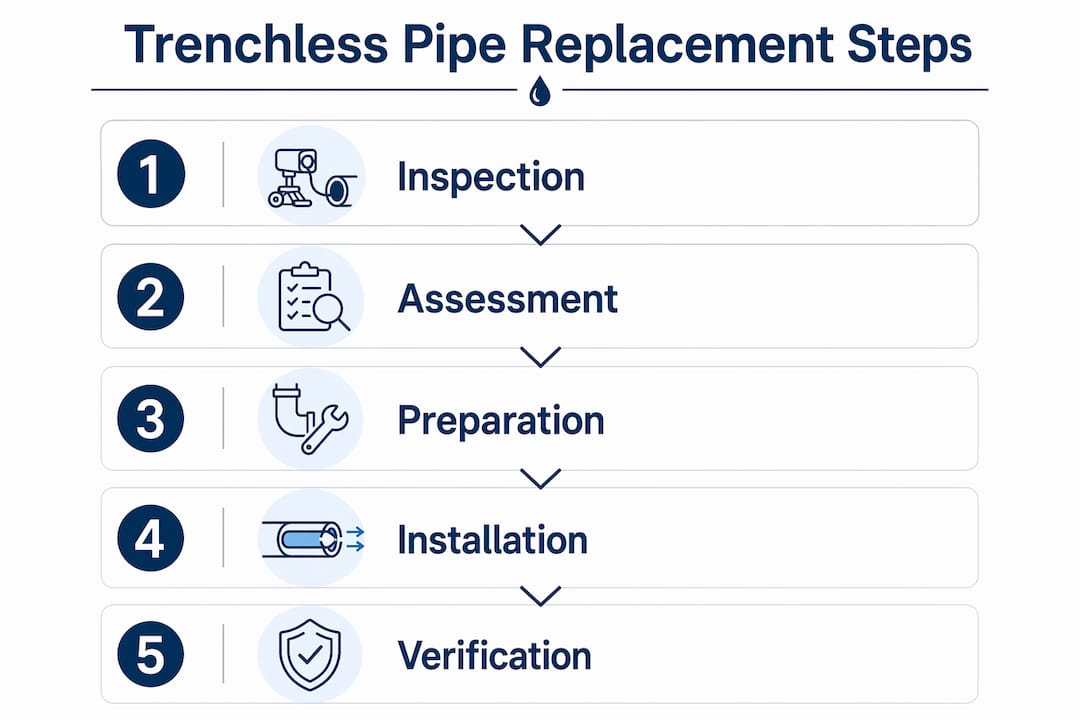
Trenchless pipe replacement works by accessing the damaged pipe at two points, then either lining the inside of the old pipe with a new resin layer or fracturing the old pipe while pulling a new one into place. The pipe itself never gets fully excavated. That single fact separates trenchless methods from traditional dig-and-replace work, where crews open a trench the full length of the damaged section.
Both CIPP lining and pipe bursting share a common starting point: a thorough video inspection. A push camera travels the pipe to map its condition, measure its length, and identify defects. That inspection determines which method is viable and where the access pits need to go. Skipping this step is the fastest way to turn a manageable repair into an expensive failure.
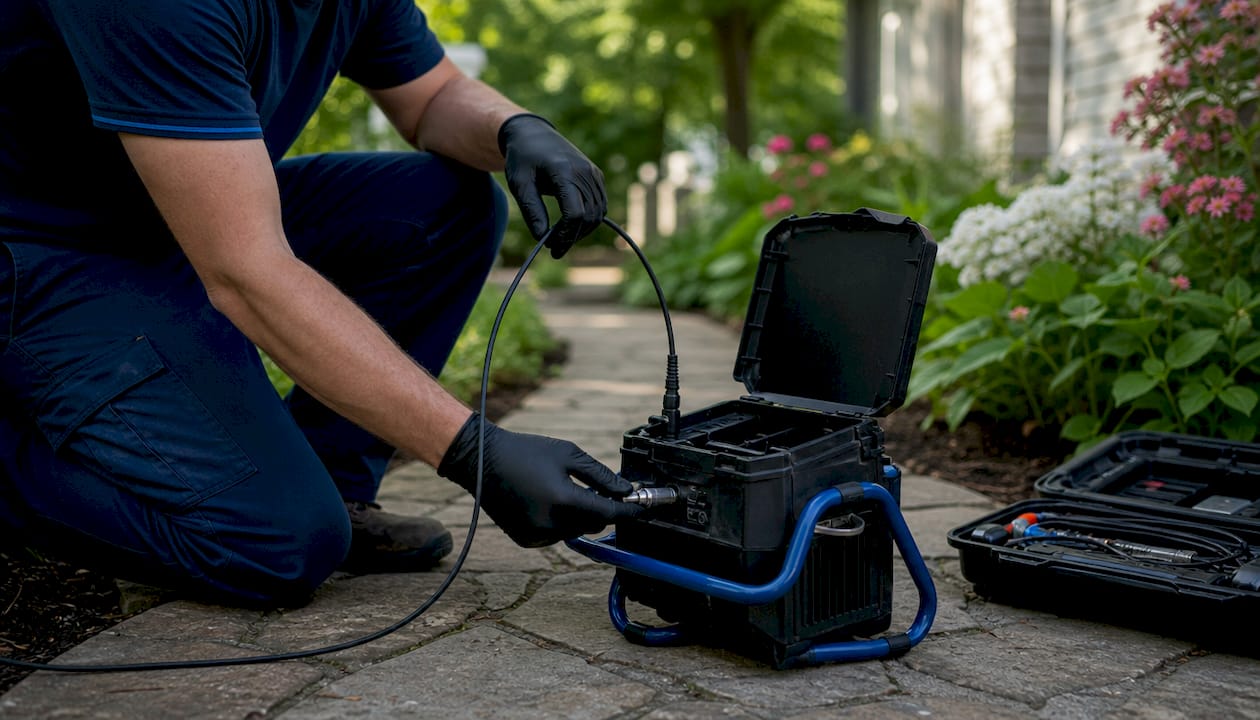
The actual repair, depending on method and pipe length, typically completes in one day. That timeline is one of the strongest practical arguments for trenchless work over traditional excavation, which can stretch across multiple days and leave your yard open to weather.
How does cured-in-place pipe (CIPP) lining work?
CIPP lining creates a brand-new pipe inside the existing damaged pipe. The old pipe becomes a mold. The result is a smooth, jointless liner that seals cracks, root intrusions, and minor structural defects without removing the original pipe.
The CIPP process from start to finish
- Cleaning. Crews use hydro-jetting and mechanical milling to strip the pipe interior of grease, roots, and debris. Thorough cleaning is non-negotiable: a dirty pipe surface causes the liner to delaminate, which means the repair fails and the work starts over.
- Liner preparation. A felt or fiberglass tube is saturated with epoxy or polyester resin. The saturated liner is then folded and staged for insertion.
- Insertion. The liner enters the pipe by one of two methods. Inversion uses air or water pressure to push the liner through, turning it inside out as it travels. Pull-in place uses a cable to draw the liner through from the far access pit.
- Curing. Heat, steam, or ultraviolet light hardens the resin. CIPP cure times typically range 4 to 12 hours depending on pipe diameter, liner thickness, and the curing method used. UV curing tends to be the fastest.
- Lateral reinstatement. After curing, a robotic cutter reopens any branch connections that the liner covered. Reinstatement takes 30 to 60 minutes per lateral. A missed lateral causes drainage backups and requires rework, so this step demands careful attention.
- Final inspection. A post-installation camera run confirms the liner is fully bonded and all laterals are open.
Pro Tip: Ask your plumber for the post-installation camera footage. A reputable contractor provides it as standard. If they hesitate, that tells you something.
CIPP is best suited for pipes that are structurally intact but cracked, corroded, or infiltrated by roots. It works on clay, cast iron, PVC, and concrete pipes. A properly installed CIPP liner carries a design life exceeding 50 years. For a deeper look at the CIPP method from a homeowner's perspective, this CIPP guide covers the material science in plain language.
What is trenchless pipe bursting and when is it the right choice?
Pipe bursting is a full pipe replacement method. It does not rehabilitate the old pipe. It destroys it and simultaneously pulls a new pipe into the void left behind.
How pipe bursting works
A bursting head, slightly larger than the old pipe's outer diameter, is threaded through the existing pipe from one access pit. A hydraulic or pneumatic pulling machine at the far pit draws the head forward. As it travels, it fractures the old pipe outward into the surrounding soil. Attached directly behind the bursting head is a new high-density polyethylene (HDPE) pipe, which gets pulled in as the old pipe is fractured. The result is a completely new pipe in the same alignment as the old one.
When pipe bursting makes sense
- The existing pipe has collapsed sections or is structurally unsound beyond what lining can address.
- You need to upsize the pipe diameter. Bursting can install a pipe one size larger than the original without additional excavation.
- The pipe material is incompatible with CIPP, such as severely deteriorated orangeburg pipe.
- The pipe route is relatively straight. Significant bends or misaligned sections complicate bursting.
When pipe bursting is not feasible
- Heavy soil density, large tree roots, pipe bellies, or shifted lines can block the bursting head or prevent the new pipe from seating correctly.
- Pipes running beneath structures, walls, or other utilities with no clearance for the fractured debris.
- Pipes with significant grade changes or sags that need correction. Bursting follows the existing alignment, so it cannot fix a belly.
The choice between lining and bursting comes down to one question: is the pipe structurally continuous? If yes, lining is usually the right call. If the pipe has collapsed or needs upsizing, bursting is the answer.
Why is sewer camera inspection critical before trenchless pipe replacement?
A sewer camera inspection is the only way to confirm that a trenchless method will actually work on your specific pipe. Without it, a contractor is guessing. Guessing on a trenchless repair is expensive.
A push camera maps the pipe's interior condition, identifies cracks, root intrusions, offsets, and collapses, and measures the pipe's length and diameter. That data determines whether CIPP lining is viable, whether the pipe is too far gone for any trenchless method, and exactly where the access pits need to be placed. Skipping the inspection risks a failed installation and the cost of starting over with traditional excavation.
A fully collapsed or heavily bellied pipe is typically not a candidate for any trenchless method. Discovering that after a liner is already inserted is a costly mistake. The inspection catches it before a single dollar is spent on materials.
Pro Tip: Request a copy of the camera inspection video before you approve any repair plan. Watching it with your plumber lets you see exactly what they see and ask informed questions about the recommended method.
Property managers overseeing multiple units benefit especially from regular camera inspections because they catch developing problems before they become emergency repairs. For homeowners, understanding how camera inspection works removes the mystery from the diagnostic process.
What are the real benefits and downsides of trenchless pipe replacement?
Trenchless methods deliver genuine advantages, but they are not the right solution for every situation. Knowing both sides helps you make a clear-eyed decision.
The real benefits
The most significant benefit is surface preservation. Traditional excavation destroys whatever sits above the pipe: grass, concrete, tile, pavers, mature landscaping. Trenchless methods require only small access pits, typically 3 to 4 feet square, at each end of the repair zone. That means your driveway, garden, or hardscape stays largely intact.
Speed is the second major advantage. Most trenchless repairs complete in a single day. Traditional excavation for the same pipe length can take two to four days, plus additional time for surface restoration.
Durability rounds out the case. HDPE pipe used in bursting and properly cured CIPP liners both carry design lives that exceed 50 years. You are not patching a problem. You are installing a long-term solution.
The honest downsides
Trenchless methods cost more upfront than simple open-cut repairs in easy-access areas. Specialized equipment and labor drive the price higher than a basic dig-and-replace job where the pipe runs through open soil with no surface features worth protecting. The value of trenchless work is clearest when the alternative is tearing up a driveway, a tiled patio, or mature landscaping.
Not every pipe qualifies. Severe collapses, major misalignments, and certain soil conditions rule out trenchless options entirely. A hybrid approach, trenchless for most of the run with a small targeted excavation at a problem spot, sometimes delivers the best outcome.
Key Takeaways
Trenchless pipe replacement works best when a professional inspection confirms the pipe is compatible with CIPP lining or pipe bursting, saving surface features and cutting repair time to a single day.
| Point | Details |
|---|---|
| Two core methods | CIPP lining rehabilitates intact pipes; pipe bursting replaces collapsed or structurally failed pipes. |
| Inspection is mandatory | A camera inspection confirms pipe condition and method compatibility before any repair begins. |
| Minimal but real excavation | Access pits of 3 to 4 feet square are still required at each end of the repair zone. |
| Long design life | Properly installed CIPP liners and HDPE pipes carry design lives exceeding 50 years. |
| Cost depends on context | Trenchless costs more upfront in simple sites but saves significantly when surface restoration would otherwise be required. |
What I've learned after 15 years of trenchless repairs
Homeowners often call asking for trenchless repair before they have had an inspection. They have read about it online, they like the idea of keeping their yard intact, and they want a quote. I understand the instinct. But committing to a method before you know what the pipe actually looks like is the single most common mistake I see.
The inspection is not a formality. It is the decision. I have seen pipes that looked like perfect CIPP candidates on paper turn out to have a belly that made lining pointless. I have also seen pipes that looked too far gone for anything but excavation turn out to be solid candidates for bursting. You cannot know until the camera goes in.
The other thing I tell homeowners: factor in what is above the pipe, not just what is below it. If the pipe runs under open lawn, traditional excavation might genuinely be cheaper and just as fast. Trenchless earns its premium when the alternative is breaking up a concrete driveway or removing a mature tree. Know what you are protecting before you decide what you are willing to spend.
When pipe lining is the right call, the robotic lateral reinstatement step is where corners get cut. A missed or poorly reopened lateral causes backups within weeks of the repair. Ask your contractor specifically how they handle lateral reinstatement and whether it is included in the quoted price.
— Kirk
Drainpointplumbing's trenchless pipe services in Santa Maria
Drainpointplumbing serves homeowners and property managers across Santa Barbara County with professional trenchless pipe repair, starting with the camera inspection that every successful repair depends on.
The team at Drainpointplumbing uses high-definition push cameras to assess your pipe's condition before recommending any repair method. That inspection drives every decision, from method selection to access pit placement. If your pipe qualifies for a trenchless approach, Drainpointplumbing's technicians handle both CIPP lining and pipe bursting for residential plumbing repairs. To schedule a sewer camera inspection or request a free quote, contact Drainpointplumbing directly. The team is available 24/7 for emergency situations.
FAQ
What is the difference between CIPP lining and pipe bursting?
CIPP lining installs a resin-saturated liner inside the existing pipe, sealing cracks and defects while leaving the old pipe in place. Pipe bursting fractures the old pipe and pulls a new HDPE pipe into the void, making it the right choice for collapsed or structurally failed pipes.
Does trenchless pipe replacement require any digging?
Yes. All trenchless methods require at least two access pits, typically 3 to 4 feet square, at each end of the repair zone. The term "no-dig" refers to the absence of a full trench, not the complete elimination of excavation.
How long does a trenchless pipe repair last?
Properly installed CIPP liners and HDPE pipes used in pipe bursting carry design lives exceeding 50 years, making them durable long-term solutions rather than temporary fixes.
How do I know if my pipe qualifies for trenchless repair?
A professional sewer camera inspection is the only reliable way to determine compatibility. Pipes with severe collapses, significant bellies, or major misalignments may not qualify for any trenchless method and may require traditional excavation or a hybrid approach.
Is trenchless pipe replacement more expensive than traditional methods?
Trenchless methods typically cost more upfront due to specialized equipment and labor. However, they eliminate the cost of surface restoration, such as replacing a concrete driveway or replanting landscaping, which often makes them the more cost-effective choice overall.