Whole house repiping is defined as the complete replacement of all interior hot and cold water supply lines, from the main shutoff valve to every fixture in the home. Most homeowners encounter this process when pipes corrode, leak repeatedly, or fail to deliver adequate water pressure. The whole house repiping process covers every line running through walls, floors, and ceilings, connecting faucets, showers, toilets, and appliances to a new, fully functional system. Understanding how whole house repipe works before you commit to a project saves you time, money, and weeks of uncertainty. The two most common materials used today are PEX and copper, each with distinct trade-offs covered in detail below.
How whole house repipe works: the step-by-step process
A whole house repipe follows a defined sequence, and knowing each phase helps you set realistic expectations for your home and schedule.
-
Initial walk-through and assessment. A licensed plumber inspects every fixture location, maps existing pipe routes, and identifies access points in walls and ceilings. This assessment determines the scope of work, material quantities, and the number of crew members needed.
-
Main water shutoff. The crew shuts off the main water supply before any cutting begins. Water is typically off for most of the working day while new lines are being run.
-
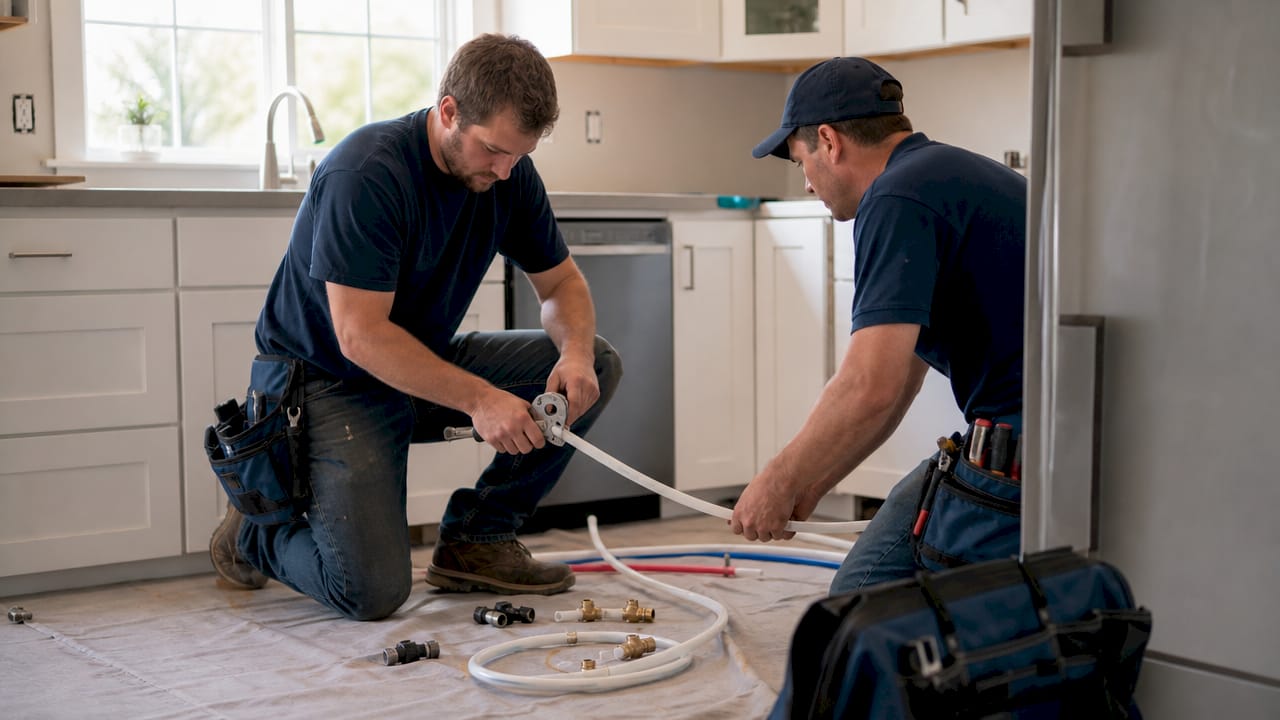
Running new pipes. Plumbers make small, targeted access cuts in drywall and ceilings to route new pipes. A whole house repipe replaces all interior hot and cold supply lines with minimal wall disruption, threading flexible PEX or rigid copper through existing framing cavities.
-
Installing manifolds and shutoff valves. New manifolds distribute water to individual fixture branches, and dedicated shutoff valves are installed at each fixture. This gives you the ability to isolate any single fixture for future repairs without cutting water to the whole house.
-
Pressure testing. Before any wall is patched, the new system is pressurized and held at test pressure to confirm there are no leaks at joints or fittings. Permit and pressure test inspections are critical quality steps that prevent contractors from concealing subpar work behind walls. Skipping this step is one of the most common ways hidden leaks develop years later.
-
Permit inspection. Most jurisdictions require a licensed inspector to verify code compliance before walls are closed. This protects you from poor workmanship and preserves your home's insurability.
-
Drywall patching and finish work. After the inspection passes, drywall is patched, textured, and painted. Tile repairs in bathrooms or kitchens are coordinated separately.
A standard 3-bedroom, 2-bathroom repipe is completed by 3 to 4 licensed plumbers within 1 to 3 days, with water typically restored the same day new lines are run and pressure tested. Drywall patching and finishes may add 1 to 2 days afterward. That timeline is faster than most homeowners expect, especially when a coordinated crew handles the project from start to finish.
Pro Tip: Ask your contractor to schedule the permit inspection before the crew leaves the job site. Having inspectors arrive while the plumbers are still present means any minor corrections get fixed immediately, not weeks later.
What materials are used in repiping and how do they compare?
The two dominant materials for whole house repiping in 2026 are PEX (cross-linked polyethylene) and copper. Each has a distinct profile of cost, durability, and installation requirements.
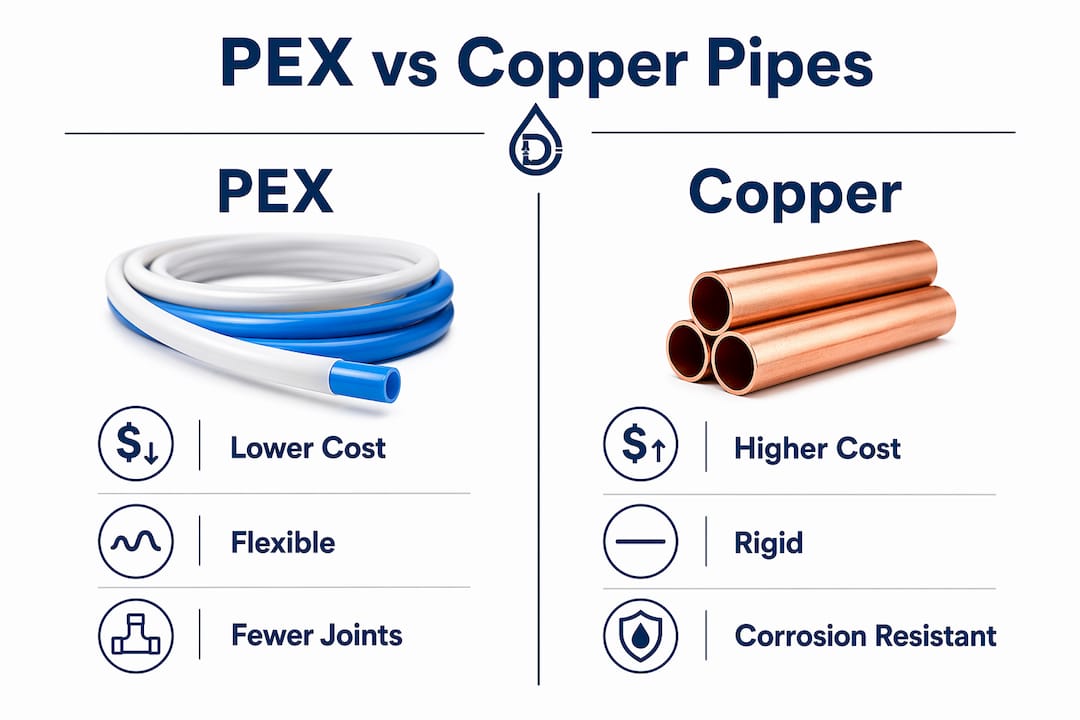
| Feature | PEX Pipe | Copper Pipe |
|---|---|---|
| Cost | Lower material and labor cost | Higher material cost, more fittings |
| Flexibility | Highly flexible, fewer joints needed | Rigid, requires more connections |
| Corrosion resistance | Immune to corrosion and scale buildup | Susceptible to pinhole corrosion over time |
| Lifespan | 25 to 50+ years | 50+ years in ideal conditions |
| Installation speed | Faster due to flexible routing | Slower, more precise cuts required |
| Code acceptance | Accepted in most U.S. jurisdictions | Universally accepted |
PEX pipe is the preferred choice in 2026 for repiping due to cost-effectiveness, faster installation from fewer joints, and better resistance to corrosion. Using PEX significantly reduces labor time because its flexible routing eliminates many of the fittings copper requires. Copper remains a valid option in regions with aggressive water chemistry where PEX may degrade faster, or where local codes or homeowner preference favor it.
Homes built before 1995 may contain polybutylene pipe, a gray plastic material installed widely between 1978 and 1995. Polybutylene piping is recommended for immediate replacement due to inevitable material degradation, and many insurers refuse coverage for homes that still have it. If your home has polybutylene, the material choice for replacement is not optional. It needs to go.
Pro Tip: In areas with hard water, like much of Santa Barbara County, PEX outperforms copper because mineral deposits that cause pinhole leaks in copper have no effect on PEX. Check your local water quality report before finalizing your material choice.
What are the benefits of repiping a house?
The benefits of repiping a house extend well beyond fixing leaks. A full repipe addresses the root cause of most chronic plumbing problems rather than patching symptoms one at a time.
- Restored water pressure and flow. Corroded or scaled pipes restrict flow. New pipes deliver full pressure to every fixture simultaneously, which older homes with galvanized steel pipes rarely achieve.
- Improved water quality. Rust, sediment, and biofilm from deteriorating pipes contaminate drinking water. New PEX or copper lines eliminate that contamination at the source. Pairing a repipe with a water filtration system compounds this benefit significantly.
- Elimination of recurring leaks. Recurring pinhole leaks at multiple locations within 12 months signal systemic pipe degradation, and spot repairs only delay the inevitable. A full repipe removes the failing material entirely.
- Increased home value and insurability. Updated plumbing is a documented selling point. Homes with polybutylene or severely corroded galvanized pipes are often flagged during home inspections, reducing sale price or blocking financing.
- Lower long-term maintenance costs. Emergency leak repairs, water damage restoration, and mold remediation each cost far more than a planned repipe. Replacing the system once eliminates that cycle of reactive spending.
- Health and safety improvements. Lead solder used in pre-1986 copper installations can leach into drinking water. Repiping removes that risk entirely and brings the home up to current health and safety standards.
How should homeowners prepare for a whole house repipe?
Preparation reduces disruption and keeps the project on schedule. Follow these steps before the crew arrives.
-
Plan for water shutoff periods. Water will be off for most of each working day during the repipe. Stock up on bottled water, arrange to shower at a gym or neighbor's home, and plan meals that do not require running water. Most projects restore water by end of day.
-
Clear access paths. Move furniture, stored items, and personal belongings away from walls in bathrooms, kitchens, laundry rooms, and utility areas. Plumbers need clear access to make wall cuts efficiently.
-
Coordinate drywall and tile repairs in advance. Identify whether you want the plumbing contractor to handle patching or if you plan to hire a separate drywall contractor. For tiled bathrooms, source matching tile before the project starts. Tile discontinued years ago is often impossible to match after the fact.
-
Understand the permit process. Most jurisdictions require a plumbing permit for a whole house repipe, triggering a code compliance inspection before walls are closed. Ask your contractor to confirm permit status before work begins. A contractor who discourages permits is a red flag. Permit requirements for home system replacements follow the same logic as HVAC permit requirements: they exist to protect you, not inconvenience you.
-
Coordinate with your water heater schedule. If your water heater is aging, a repipe is the ideal time to replace it. Combining both projects reduces labor overlap and avoids a second round of wall access later. A water heater replacement checklist can help you evaluate whether your unit is worth keeping.
Pro Tip: Request a written scope of work that lists every fixture location included in the repipe before signing a contract. Verbal agreements about what is "included" are the most common source of disputes when the final invoice arrives.
Common questions and considerations during repiping
Several concerns come up consistently among homeowners going through the whole house repiping process. Here are the most important ones addressed directly.
-
Why are old pipes left in the walls? Leaving old pipes capped and abandoned within walls is standard practice. Removing every old pipe would require opening far more wall surface, dramatically increasing cost and repair time. Capped ends prevent cross-contamination, and the new system fully replaces the function of the old one.
-
How do I know if repiping is necessary right now? Recurring leaks at multiple locations, discolored water, low pressure throughout the house, or the presence of polybutylene pipe are all indicators that spot repairs are no longer sufficient. A plumbing system upgrade assessment from a licensed plumber can confirm whether a full repipe is warranted.
-
What does a repipe cost? The cost to repipe a house depends on home size, number of fixtures, material choice, local labor rates, and permit fees. A 3-bedroom, 2-bathroom home typically falls in a range that reflects 1 to 3 days of labor for a crew of 3 to 4 plumbers plus materials. PEX projects cost less than copper for equivalent homes.
-
How long will water be off? Water is typically off during active work hours and restored by end of day once new lines are pressure tested. Multi-day projects may require water to be shut off each morning and restored each evening.
-
What if I only have leaks in one area? A single isolated leak does not always require a full repipe. However, if the pipe material throughout the home is the same failing material, temporary pipe repairs buy time but do not solve the underlying problem. A licensed plumber can assess whether the failure is isolated or systemic.
Key takeaways
A whole house repipe is the most reliable way to eliminate systemic plumbing failures, restore water quality, and protect long-term home value.
| Point | Details |
|---|---|
| Full system replacement | Repiping replaces all hot and cold supply lines from the main shutoff to every fixture. |
| PEX is the leading material | PEX offers lower cost, faster installation, and corrosion resistance compared to copper in most homes. |
| Permits protect you | Permit inspections prevent hidden workmanship errors before walls are closed. |
| Timeline is manageable | A standard 3-bedroom home takes 1 to 3 days, with water restored daily after pressure testing. |
| Preparation reduces disruption | Clearing access paths, coordinating drywall repairs, and confirming permits before work starts keeps projects on schedule. |
What 15 years of repiping projects taught me
Most homeowners call us after years of patching the same pipes. By the time they commit to a full repipe, they have already spent thousands on spot repairs that never solved the problem. The math almost always favors doing the repipe sooner.
The detail that surprises people most is how fast a well-organized crew works. A coordinated team of licensed plumbers running PEX through a standard home moves quickly because flexible pipe eliminates the precise cutting and fitting that copper requires. I have seen 3-bedroom homes fully repiped and pressure tested in a single day. That speed is only possible when the permit is pulled in advance and the homeowner has cleared access before the crew arrives.
The biggest mistake I see contractors make is skipping or rushing the pressure test phase. Walls get patched, the homeowner moves on, and a slow leak develops inside a wall cavity for months before anyone notices. The permit inspection process exists precisely to prevent that outcome. Any contractor who suggests skipping permits to save money is transferring risk from their business to your home.
My honest recommendation: if your home has polybutylene pipe or galvanized steel that is more than 40 years old, do not wait for a catastrophic leak to force the decision. A planned repipe on your schedule costs a fraction of what emergency repiping plus water damage restoration costs. The emergency repiping process is faster but far more disruptive and expensive than a planned project.
Choose PEX unless you have a specific reason not to. It is faster to install, less expensive, and performs exceptionally well in the hard water conditions common across Santa Barbara County.
— Kirk
Get your repipe done right with Drainpointplumbing
Drainpointplumbing has handled whole house repiping projects across Santa Maria and Santa Barbara County for over 15 years. The team pulls permits, coordinates inspections, and manages drywall repair referrals so you are not left managing multiple contractors on your own. Every repipe includes a full pressure test before any wall is closed, and the crew works to restore water to your home by end of each working day. Drainpointplumbing offers free quotes with no obligation, plus discounts for seniors and military personnel. If you are ready to stop patching and start with a system that works, visit the residential plumbing services page or request a free quote today.
FAQ
What does a whole house repipe include?
A whole house repipe replaces all interior hot and cold water supply lines from the main shutoff to every fixture, including faucets, showers, toilets, and appliances. Old pipes are typically capped and left in place rather than removed.
How long does a whole house repipe take?
A standard 3-bedroom, 2-bathroom home takes 1 to 3 days for a crew of 3 to 4 licensed plumbers, with water restored the same day new lines are pressure tested. Drywall patching may add 1 to 2 additional days.
Is repiping necessary if I only have one leak?
A single leak does not always require a full repipe, but if the pipe material throughout the home is the same aging or failing type, additional leaks are likely. A licensed plumber can assess whether the failure is isolated or a sign of systemic degradation.
What is the best pipe material for repiping in 2026?
PEX is the preferred material for most whole house repiping projects in 2026 due to lower cost, faster installation, and strong resistance to corrosion. Copper remains a valid option in specific regional or code-driven situations.
Do I need a permit for a whole house repipe?
Most jurisdictions require a plumbing permit for a whole house repipe, which triggers a code compliance inspection before walls are closed. Skipping permits increases the risk of hidden workmanship errors and can affect your home's insurability.