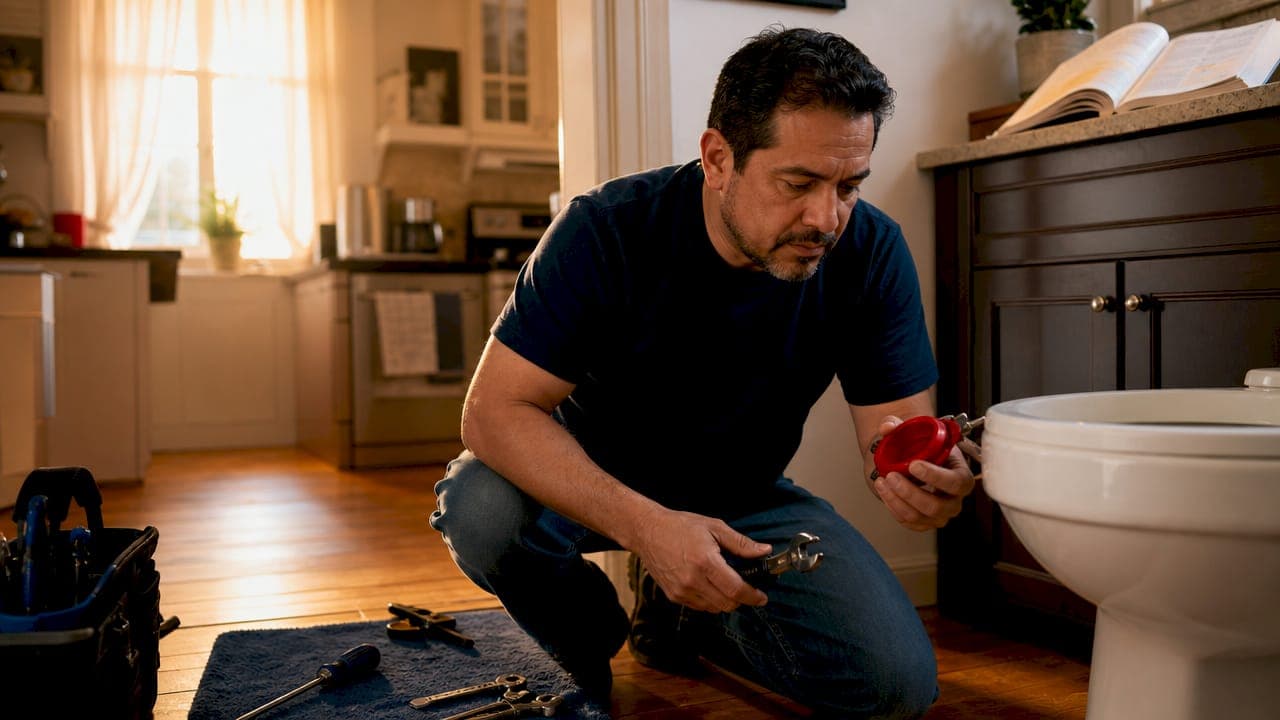
Reducing your water bill through home plumbing efficiency means fixing leaks, upgrading fixtures, and managing water pressure to cut waste at the source. The EPA WaterSense program and ENERGY STAR appliance standards set the benchmarks for water-efficient plumbing solutions in American homes. An average family spends $1,300 per year on water costs but can save up to $500 annually by switching to WaterSense fixtures and ENERGY STAR appliances. That kind of savings does not require a full renovation. The right combination of leak repairs, fixture upgrades, and pressure management delivers results you will see on your next bill.
How to reduce water bill home plumbing leaks are causing
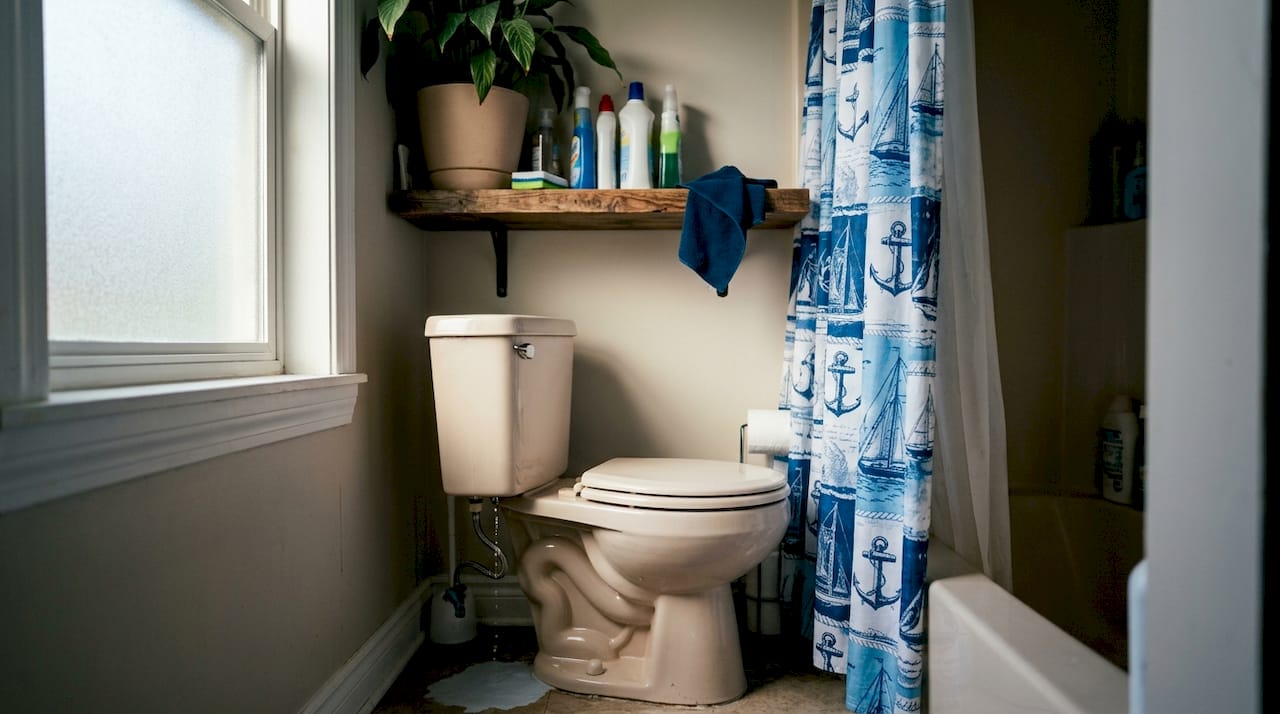
Leaks are the single biggest hidden cost in residential plumbing. A leaky toilet wastes up to 200 gallons of water every day, and household leaks collectively waste nearly 10,000 gallons per year. That waste adds directly to your bill, often without any visible sign of a problem.
How to detect leaks before they get expensive
The water meter test is the most reliable method for finding hidden leaks. Turn off every water source in your home, then check your meter. If the dial moves, water is escaping somewhere in your system.
Common leak sources include:
- Toilets: A worn flapper valve is the most frequent culprit. Add a few drops of food coloring to the tank. If color appears in the bowl without flushing, the flapper is leaking.
- Faucets: A dripping faucet wastes more water than it appears. Even a slow drip adds up to gallons per day.
- Pipes: Look for water stains on ceilings, walls, or under sinks. Soft spots in drywall or flooring often signal a slow pipe leak.
Pro Tip: Shut off your main water valve before any extended vacation and open a low faucet to release line pressure. This one step prevents hidden leaks from running undetected for days.
When to repair it yourself and when to call a pro
Replacing a toilet flapper is a straightforward DIY repair. Bring the old flapper or a photo of it to the hardware store to get an exact model match, since flapper sizes vary widely. A wrong fit means the leak continues. For pipe leaks inside walls or under slabs, call a licensed plumber. A temporary fix for a leaking pipe can stop damage short term, but professional repair is the only permanent solution.
What are the most effective water-efficient fixtures to install?
Fixture upgrades deliver the clearest return on investment for homeowners who want to lower home water costs. WaterSense labeled toilets, faucets, and showerheads meet EPA efficiency standards without sacrificing performance. Installing a WaterSense labeled toilet alone saves 13,000 gallons annually, cutting water costs by $170 per year per toilet.
Fixtures worth upgrading first
- Toilets: Older models use 3.5 to 7 gallons per flush. WaterSense toilets use 1.28 gallons or less.
- Showerheads: Low-flow showerheads cut water use without reducing water pressure noticeably.
- Faucet aerators: These screw onto existing faucets and reduce flow rate from 2.2 gallons per minute to 1.5 or less. They cost under $10 and take minutes to install.
- Dishwashers and washing machines: ENERGY STAR certified appliances use significantly less water per cycle than standard models.
| Fixture | Standard water use | WaterSense/efficient use |
|---|---|---|
| Toilet | 3.5–7 gallons per flush | 1.28 gallons per flush |
| Showerhead | 2.5 gallons per minute | 1.5–2.0 gallons per minute |
| Bathroom faucet | 2.2 gallons per minute | 1.0–1.5 gallons per minute |
Pro Tip: Check for water-saving plumbing upgrades specific to Santa Maria homes before purchasing fixtures. Local water pressure and pipe age affect which models perform best.
Aerators and low-flow showerheads are the fastest wins. You can install them in an afternoon with no plumbing experience. Toilets and appliances require more investment but pay back over years of reduced bills.
How does water pressure affect your water usage?
High water pressure wastes water on every single use. Water pressure above 70 psi causes unnecessary water flow and accelerates wear on pipes, fittings, and appliances. The optimal residential range is 50–70 psi. Anything above that means you are paying for water that runs faster than you need.
How to manage pressure and water heater efficiency
A pressure-regulating valve, or PRV, is installed on the main water line and keeps pressure within the safe range automatically. Most homes built before the 1990s do not have one. Adding a PRV is a one-time plumbing job that protects your entire system and reduces water consumption from that point forward.
Water heater placement also affects how much water you waste. Every time you turn on a hot water tap, cold water sitting in the pipe runs out first. The farther your heater is from the tap, the more water goes down the drain before hot water arrives.
Steps to reduce water heater waste:
- Install a point-of-use water heater near high-use fixtures like kitchen sinks. On-demand water heaters near faucets eliminate the wait and the wasted water.
- Consider a tankless water heater for whole-home efficiency. A tankless water heater heats water only when you need it, cutting standby energy and water loss.
- Insulate hot water pipes to keep water hotter longer and reduce the time you run the tap waiting for heat.
- Flush your water heater tank annually to remove sediment that forces the unit to work harder and longer.
Pro Tip: Check your home's water pressure with an inexpensive gauge from any hardware store. Attach it to an outdoor hose bib and read the result. If it reads above 70 psi, a PRV installation will pay for itself quickly.
Many utilities also use tiered pricing structures that charge higher rates as usage climbs. Keeping pressure in range and reducing heater waste helps you stay in the lower, cheaper usage tiers.
What outdoor water habits lower your water bill the most?
Outdoor water use accounts for a large share of residential consumption, especially in California. Smart irrigation and drought-tolerant landscaping are the two most effective strategies for cutting outdoor water costs.
Irrigation and landscaping changes that work
A smart irrigation controller adjusts watering schedules based on real-time weather data and soil moisture readings. It stops watering before rain and resumes only when the soil actually needs it. This single upgrade eliminates the most common form of outdoor water waste: watering on a fixed schedule regardless of conditions.
Drought-tolerant landscaping goes further. Replacing water-intensive grass with native California plants, gravel, or mulched beds cuts outdoor water demand dramatically. Combined with a smart controller, these changes can reduce household water bills by 30%–50%.
Additional outdoor water practices that make a measurable difference:
- Water in the early morning, between 4 a.m. and 8 a.m., to minimize evaporation.
- Use drip irrigation for garden beds instead of sprinklers. Drip systems deliver water directly to roots with far less waste.
- Look for the WaterSense label on irrigation products. WaterSense certified controllers and sprinkler heads meet EPA efficiency standards for outdoor use.
- Schedule a professional irrigation audit every few years. Auditors find broken heads, misaligned sprinklers, and system inefficiencies that are invisible from the surface.
A professional audit typically costs less than one month of inflated water bills. The savings from corrected irrigation often cover the audit cost within the first billing cycle.
Key takeaways
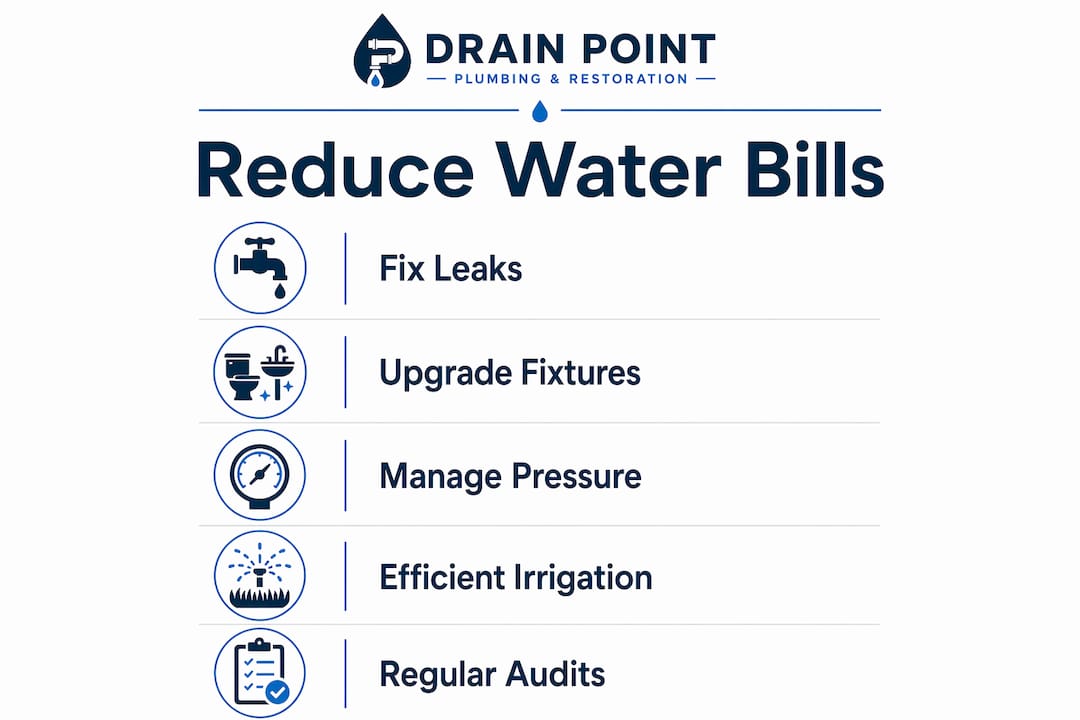
Fixing leaks, upgrading to WaterSense fixtures, managing water pressure, and switching to efficient irrigation are the four plumbing changes that deliver the greatest reduction in home water costs.
| Point | Details |
|---|---|
| Fix leaks first | A leaky toilet wastes up to 200 gallons daily; repair flappers and dripping faucets before any other upgrade. |
| Upgrade to WaterSense fixtures | WaterSense toilets save 13,000 gallons and $170 per year; aerators cost under $10 and install in minutes. |
| Control water pressure | Keep residential pressure at 50–70 psi with a PRV to reduce waste and protect your plumbing system. |
| Use point-of-use or tankless heaters | Installing heaters near high-use fixtures eliminates water wasted waiting for hot water to arrive. |
| Shift outdoor watering habits | Smart irrigation controllers and drought-tolerant plants can cut total household water bills by 30%–50%. |
What I have learned after 15 years of residential plumbing
Most homeowners I talk to focus on the big-ticket upgrades first. They want to know about tankless water heaters or full bathroom remodels. My honest recommendation is the opposite: start with a leak audit.
A running toilet or a dripping faucet under a sink can waste thousands of gallons before anyone notices. I have walked into homes where the water bill had been climbing for six months, and the entire problem was a $4 flapper that had worn out. The homeowner had assumed it was something expensive. Fixing leaks first costs almost nothing and delivers immediate results on the next bill.
The second mistake I see regularly is skipping plumbing preventive maintenance. Homeowners treat plumbing as something to address only when it breaks. A professional inspection once a year catches pressure problems, early pipe corrosion, and slow leaks before they become expensive emergencies. The cost of a maintenance visit is a fraction of what a burst pipe or water damage restoration costs.
One trend worth paying attention to: water rates in Santa Barbara County are not going down. Tiered pricing means that households using above-average water pay disproportionately more. Every gallon you cut from your usage keeps you in a lower rate tier. The financial case for water-efficient plumbing gets stronger every year, not weaker.
— Kirk
Drainpointplumbing can help you cut your water costs
Drainpointplumbing has served Santa Maria and Santa Barbara County homeowners for over 15 years, handling everything from leak detection to full fixture replacements and water heater upgrades.
The team at Drainpointplumbing installs WaterSense labeled toilets, faucets, and showerheads, and handles residential plumbing repairs that stop the leaks quietly draining your budget. If your water heater is older or poorly placed, Drainpointplumbing offers water heater repair and replacement including tankless systems that cut both energy and water waste. Senior and military discounts are available. Request a free quote and find out exactly where your home is losing water and money.
FAQ
How much can I save by fixing a running toilet?
A running toilet wastes up to 200 gallons of water per day. Fixing it with a replacement flapper, which costs under $10, can save hundreds of dollars annually depending on your local water rate.
What is the WaterSense label and why does it matter?
WaterSense is an EPA program that certifies fixtures meeting strict water efficiency standards. WaterSense labeled toilets save an average of 13,000 gallons and $170 per year compared to older models.
What water pressure should my home have?
Residential water pressure should stay between 50 and 70 psi. Pressure above 70 psi increases water consumption and accelerates wear on pipes and fixtures; a pressure-regulating valve corrects this automatically.
Do tankless water heaters actually save water?
Yes. Tankless water heaters heat water on demand and, when installed near high-use fixtures, eliminate the cold water that runs out while you wait for heat. That reduces both water waste and energy use.
How do I know if I have a hidden leak?
Turn off all water sources in your home and watch your water meter for 15 minutes. If the meter moves, you have a leak somewhere in the system. A licensed plumber can locate it with a camera inspection or pressure test.